What to Pack on an African Safari: The Complete Safari Packing List
Table of Contents
Introduction
Planning an African safari? Pack lightweight, breathable clothes, comfortable shoes, sun protection, insect repellent, binoculars, a camera, personal medication, rain protection and a soft-sided bag—and don’t overpack. The right safari packing list is less about having lots of clothes and more about being prepared for changing temperatures, dust, rain, long game drives and, depending on your itinerary, forest trekking or domestic bush flights.
Whether you’re heading to Uganda, Kenya, Tanzania, Rwanda, Botswana, Namibia or South Africa, this guide explains exactly what to bring, what to leave behind and what changes depending on the type of safari you’re taking.
For a Uganda safari, this is particularly important because one itinerary can involve hot savannah game drives, cool highland evenings, tropical forest trekking and boat cruises within the same trip.
African Safari Packing List at a Glance
If you’re short on time, start with this checklist:
| Essential | Recommended |
|---|---|
| Lightweight shirts | 3–5 |
| Lightweight trousers | 2–3 |
| Shorts | 1–2 |
| Fleece/light sweater | 1 |
| Lightweight rain jacket | 1 |
| Comfortable walking shoes | 1 pair |
| Sandals | 1 pair |
| Sun hat | 1 |
| Sunglasses | 1 |
| High-SPF sunscreen | 1 |
| Insect repellent | 1 |
| Daypack | 1 |
| Reusable water bottle | 1 |
| Binoculars | 1 |
| Camera | Optional but highly recommended |
| Extra batteries/power bank | Recommended |
| Headlamp/torch | 1 |
| Universal/UK-style adapter | 1 |
| Waterproof bags | Several |
| Personal medication | Entire trip + reserve |
| Passport & travel documents | Essential |
| Travel insurance details | Essential |
For Uganda specifically, local tourism guidance recommends a daypack, sunscreen, flashlight, insect repellent, spare or rechargeable batteries, waterproof bags, appropriate footwear and rain protection.
What Clothes Should You Wear on an African Safari?
The best safari clothing is lightweight, breathable, comfortable and practical.
You don’t need a wardrobe full of specialized safari clothes.
In fact, many first-time travelers make the mistake of packing too much.
A small number of versatile pieces can work for game drives, lodge stays and travel days.
Pack:
- 3–5 lightweight T-shirts or shirts
- 2–3 lightweight trousers
- 1–2 pairs of shorts
- 1 lightweight fleece or sweater
- 1 lightweight waterproof jacket
- 4–6 pairs of underwear
- 4–6 pairs of socks
- Comfortable walking shoes
- Sandals
- Sleepwear
- Swimwear if your lodge has a pool
- Sun hat or cap
Choose fabrics that dry quickly and are comfortable in warm weather.
For Uganda, lightweight clothing works well in the savannah, while warmer layers are useful in higher-altitude destinations and mountainous regions. Uganda Tourism Center specifically recommends lighter clothing for Kampala and savannah areas, with layers for cooler evenings and warmer clothing for mountainous regions.
What Colors Should You Wear on Safari?
Choose neutral and natural colors where practical:
- Khaki
- Beige
- Brown
- Olive
- Grey
- Muted green
These colors are comfortable and practical in the bush and don’t show dust as dramatically as very light clothing.
You don’t need to buy an entire khaki wardrobe.
A normal pair of neutral-colored trousers and a breathable shirt is perfectly adequate for most game drives.
Avoid overthinking safari fashion
You’re going to be sitting in a safari vehicle, walking through nature and potentially getting dusty.
Comfort beats fashion.
Should You Wear Camouflage on an African Safari?
For ordinary tourist safaris, there is no need to wear camouflage clothing.
In some African countries, camouflage or military-style clothing can create unnecessary problems because it can resemble official or military attire.
A much safer choice is ordinary outdoor clothing in neutral colors.
Do You Need Long Pants on Safari?
Yes, I recommend packing at least two pairs of lightweight long trousers.
They are useful for:
- Early-morning game drives
- Walking activities
- Protection from sun
- Protection from insects
- Cooler evenings
- Dusty conditions
- Forest trekking
You can switch to shorts when conditions are hot and you’re relaxing at your lodge.
For Uganda, local tourism guidance specifically recommends long-sleeved shirts and long trousers as part of insect-bite prevention.
What Shoes Should You Pack for an African Safari?
You don’t need heavy hiking boots for a normal vehicle safari.
For most trips, pack:
1. Comfortable walking shoes
These are your main pair.
Choose something broken-in, comfortable and suitable for uneven ground.
2. Lightweight hiking boots
Useful if your itinerary includes:
- Gorilla trekking
- Chimpanzee trekking
- Forest walks
- Mountain hiking
- Volcano trekking
- Long nature walks
3. Sandals
Useful around:
- Lodges
- Hotels
- Camps
- Pools
- Travel days
Avoid taking brand-new shoes on safari.
Blisters are a much bigger problem than fashion.
What to Pack for Gorilla Trekking
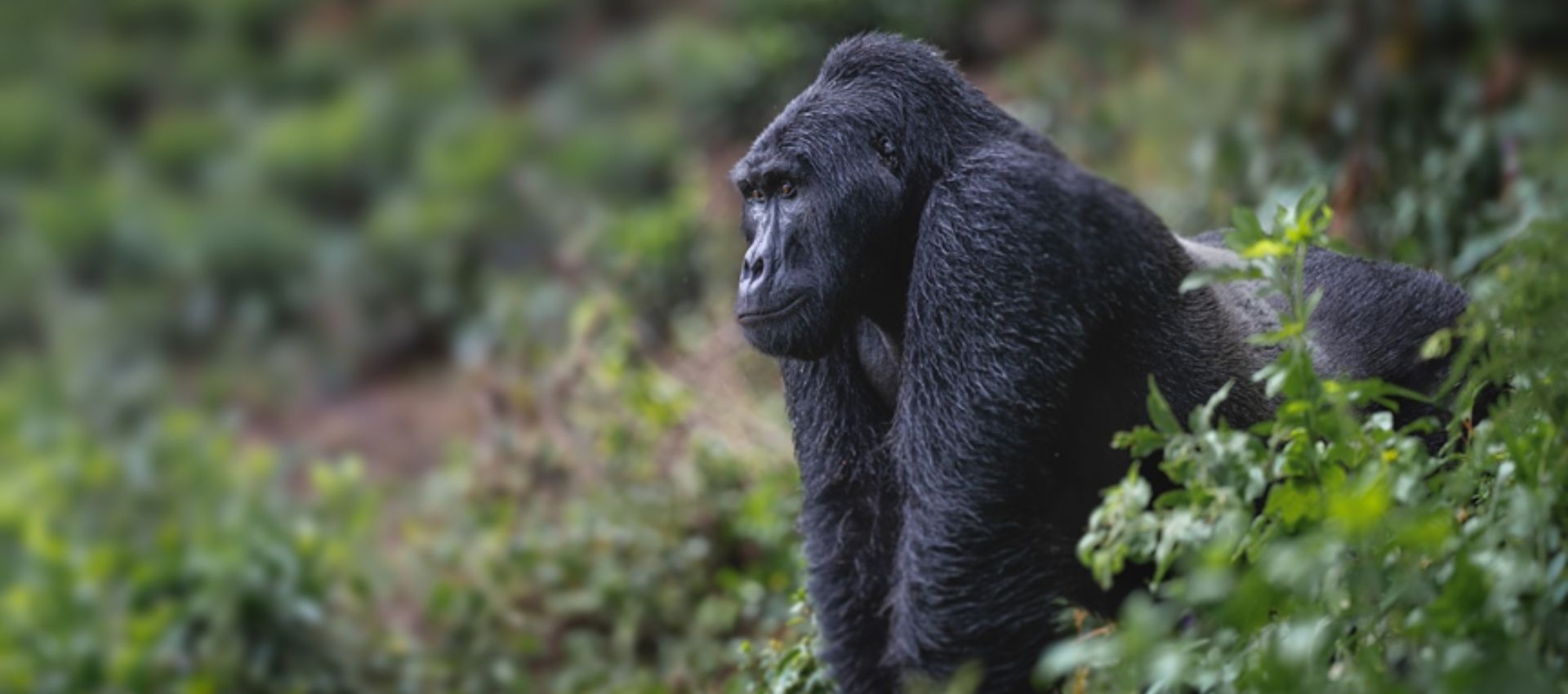
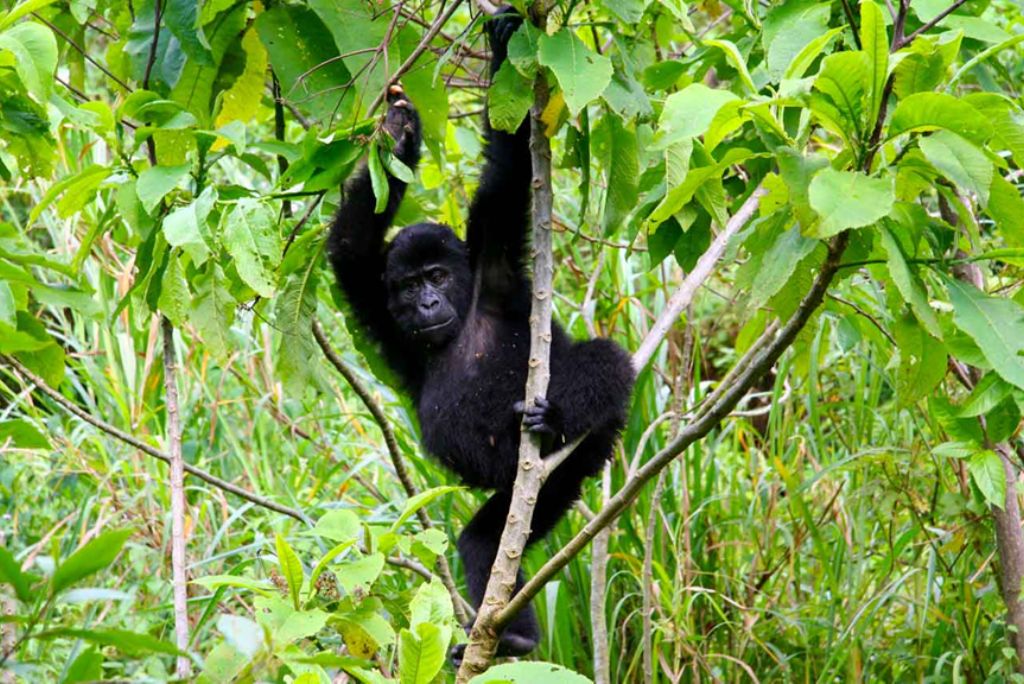
If your African safari includes Uganda gorilla trekking, your packing list needs to change.
Gorilla trekking in Bwindi or Mgahinga can involve steep, muddy and slippery forest terrain.
Pack:
- Waterproof hiking boots
- Long trousers
- Long-sleeved shirt
- Lightweight waterproof jacket
- Gardening-style gloves
- Gaiters
- Small backpack
- Water bottle
- Insect repellent
- Hat
- Sunscreen
- Camera
- Waterproof protection for electronics
Do not assume your normal safari sneakers will be sufficient for a wet forest trek.
The conditions in a tropical mountain forest are very different from a dry savannah game drive.
What to Pack for a Uganda Safari
Uganda is particularly interesting because a single itinerary can combine several environments.
A traveler might go from:
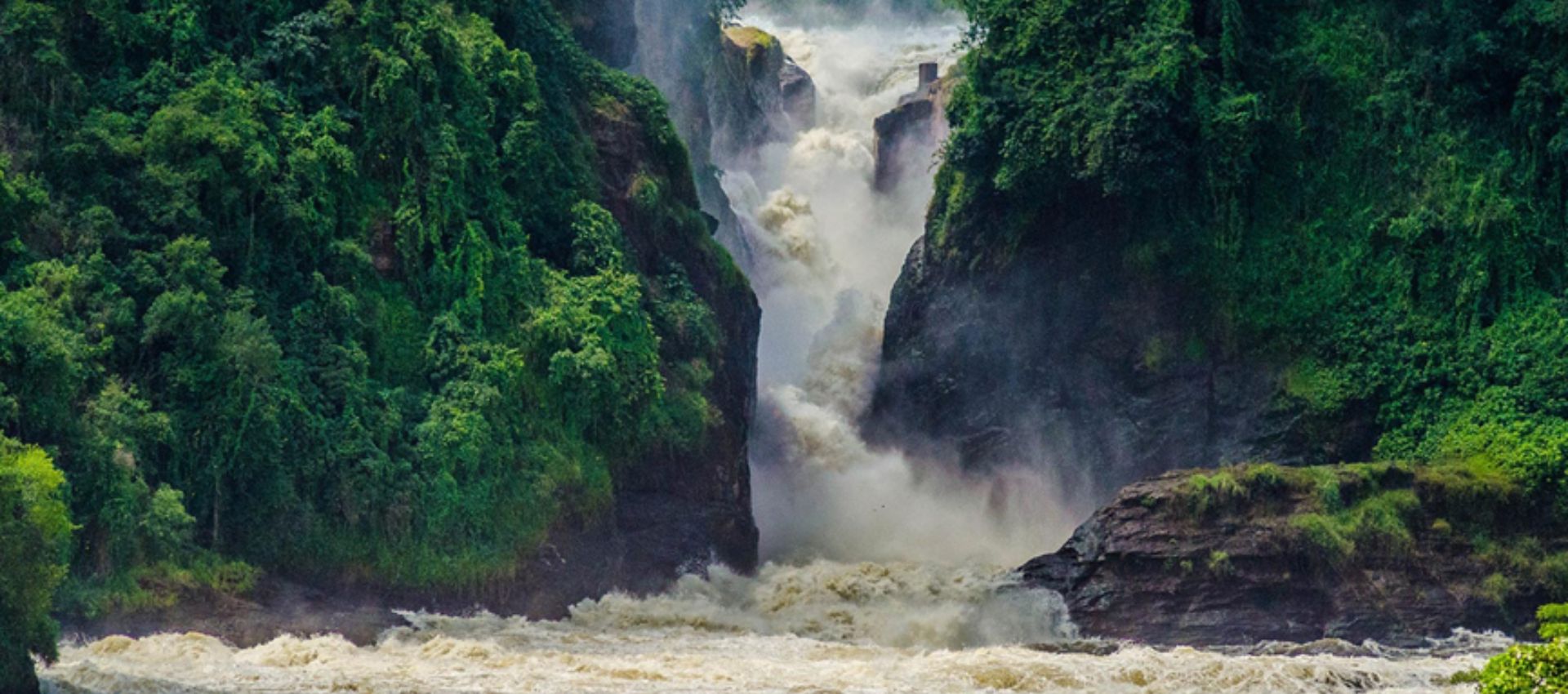
Entebbe → Murchison Falls → Kibale → Queen Elizabeth → Bwindi
That means you should pack for both savannah and forest environments.
A practical Uganda safari packing list includes:
- Lightweight clothing
- Long trousers
- Long-sleeved shirts
- Fleece
- Rain jacket
- Hiking boots
- Comfortable walking shoes
- Sandals
- Sun hat
- Insect repellent
- Sunscreen
- Binoculars
- Camera
- Extra batteries
- Waterproof bags
- Daypack
- Reusable water bottle
- Personal medication
- Travel documents
Uganda Tourism Center similarly recommends a combination of light clothing, walking footwear, rain protection, warm layers for mountainous areas, insect repellent, sunscreen, batteries and waterproof bags.
What Toiletries Should You Pack for Safari?
Keep toiletries simple.
Essential toiletries
- Toothbrush
- Toothpaste
- Deodorant
- Shampoo
- Conditioner
- Soap/body wash
- Moisturizer
- Lip balm
- Sunscreen
- Insect repellent
- Hand sanitizer
- Wet wipes
- Small towel
- Personal hygiene products
Why sunscreen matters
Many African safari destinations receive strong sunlight, and Uganda sits on the equator.
Use a high-SPF sunscreen and reapply it during the day.
Uganda Tourism Center specifically recommends high-SPF sunscreen for visitors.
What Insect Repellent Should You Pack?
Insect repellent is one of the safari essentials I would not leave behind.
Pack a repellent suitable for your destination and apply it according to its label.
Long trousers, long sleeves and closed shoes can also help reduce exposed skin.
If you’re traveling to Uganda, discuss malaria prevention with a qualified travel-health professional before departure. Local tourism guidance also recommends insect repellent and appropriate clothing as part of mosquito-bite prevention.
What Medication Should You Bring on Safari?
Bring enough of your regular medication for the entire trip, plus a reasonable reserve.
Your personal medical kit can include:
- Prescription medication
- Basic pain relief
- Plasters/bandages
- Antiseptic
- Rehydration supplies
- Motion-sickness medication if needed
- Any medication recommended by your doctor
- Personal medical documents
Don’t rely on finding a specific prescription medicine at a remote safari lodge.
Uganda Tourism Center advises travelers to bring prescription medicines because they may not be readily available once traveling.
For destination-specific vaccinations, malaria prevention and other medical advice, speak to a qualified travel clinic before your trip rather than relying on a generic packing list.
Do You Need a First-Aid Kit on Safari?
A small personal first-aid kit is useful.
Pack:
- Plasters
- Antiseptic wipes
- Blister treatment
- Small bandages
- Pain relief
- Personal medication
- Any prescribed emergency medication
Your safari company should have appropriate emergency arrangements, but your own small kit is useful for minor problems.
What Electronics Should You Pack?
You don’t need to bring every gadget you own.
Prioritize:
Smartphone
Useful for:
- Photos
- Maps
- Communication
- Travel documents
- Emergency contacts
Camera
A camera with a good zoom can dramatically improve wildlife photography.
Extra batteries
Important because charging opportunities may be limited in remote areas.
Uganda Tourism Center specifically recommends spare/rechargeable batteries and notes that they can be difficult to find once you’re in the parks.
Power bank
A good power bank can be extremely useful on long game drives.
Memory cards
Bring more storage than you think you’ll need.
Wildlife photography has a way of filling memory cards surprisingly quickly.
Do You Need Binoculars on Safari?
Yes.
If there is one piece of equipment beyond your phone that I recommend almost every safari traveler carries, it is binoculars.
They allow you to see:
- Birds
- Distant elephants
- Leopards
- Tree-top primates
- Animals across open plains
- Details that aren’t visible to the naked eye
Uganda Tourism Center recommends binoculars around 8x or 10x magnification, with 32 mm objectives being a practical lighter option for many travelers.
You don’t necessarily need the most expensive binoculars on the market.
A good, comfortable pair that you can actually use is better than expensive equipment left in your bag.
What Bag Should You Take on Safari?
This is where many travelers get caught out.
If your itinerary includes small aircraft or bush flights, don’t automatically pack a large hard-shell suitcase.
Many safari airlines have strict luggage restrictions.
For example, Safarilink currently states that its standard baggage allowance is 15 kg per passenger, including hand baggage, and that luggage should be in soft bags. Some destinations, including Entebbe, have a 20 kg allowance.
Airkenya similarly lists a 15 kg soft-bag allowance, including hand baggage, on its services.
Therefore:
If you’re taking bush flights:
Use a soft-sided safari bag/duffel rather than a rigid suitcase and check the exact allowance for your airline and route before packing.
Don’t assume all African airlines use the same baggage rules.
How Much Luggage Do You Need for an African Safari?
For a typical 7–10 day safari, you can travel surprisingly light.
A good target is:
One soft-sided main bag + one small daypack
You don’t need ten outfits.
Most safari days are casual.
Your clothing can often be washed or laundered during the trip, depending on the lodge and itinerary.
The exact luggage limit depends on your transportation.
If you’re using small aircraft, check the airline’s current rules before departure. Some regional safari carriers use strict 15 kg soft-bag limits.
What Should Go in Your Safari Daypack?
Your daypack should contain the things you’ll want during a game drive.
Safari daypack checklist
- Water bottle
- Camera
- Binoculars
- Sunscreen
- Sunglasses
- Hat
- Insect repellent
- Light jacket
- Rain jacket
- Phone
- Power bank
- Extra batteries
- Snacks
- Tissues
- Hand sanitizer
- Small first-aid items
Keep your important documents and valuables secure rather than leaving them loose in the vehicle.
What Documents Should You Pack?
Keep your important travel documents accessible.
Bring:
- Passport
- Visa/eVisa documentation where applicable
- Flight confirmations
- Safari itinerary
- Travel insurance details
- Emergency contacts
- Accommodation confirmations
- Copies of important documents
- Payment cards
- Some appropriate local/foreign currency
For Uganda, check current entry requirements before departure because visa rules can change.
If you are traveling with a tour operator, ask them to provide a complete itinerary and emergency contact information before departure.
Should You Bring Cash on Safari?
Yes, having some cash is useful.
Your exact amount depends on the destination and itinerary.
Cash may be useful for:
- Tips
- Small purchases
- Local crafts
- Drinks
- Small expenses
- Emergencies
Keep cash discreetly secured rather than carrying everything in one wallet.
What Kind of Jacket Should You Pack?
A lightweight waterproof jacket is one of the most useful items you can bring.
It should ideally:
- Pack down small
- Be waterproof or highly water-resistant
- Block wind
- Fit over a light fleece
- Be comfortable while sitting in a safari vehicle
Don’t automatically pack a heavy winter coat.
Africa can be warm, but early mornings and high-altitude destinations can feel surprisingly cool.
Should You Pack a Sweater for an African Safari?
Yes.
This surprises many first-time travelers.
Early morning game drives can be cool, particularly in higher-altitude areas.
A lightweight fleece or sweater is much more useful than a bulky jacket.
Layering is the secret.
Example:
Morning:
T-shirt + fleece + light jacket
Late morning:
T-shirt
Afternoon:
T-shirt
Evening:
T-shirt + fleece
That gives you flexibility without filling your suitcase.
What Not to Pack on an African Safari
A good packing list is partly about what you leave at home.
Avoid unnecessary:
- Heavy suitcases
- Too many shoes
- Formal clothes
- Expensive jewelry
- Excessive electronics
- Multiple bulky jackets
- Large toiletries
- Brand-new hiking boots
- Huge amounts of clothing
- Unnecessary valuables
Safari is not the place to travel with a different outfit for every day.
African Safari Packing List for First-Time Travelers
If this is your first safari, don’t overcomplicate it.
Clothing
☐ 4 lightweight shirts
☐ 2 lightweight trousers
☐ 1–2 shorts
☐ 1 fleece
☐ 1 rain jacket
☐ Underwear
☐ Socks
☐ Sleepwear
☐ Swimwear
Footwear
☐ Walking shoes
☐ Hiking boots if trekking
☐ Sandals
Health & protection
☐ Sunscreen
☐ Insect repellent
☐ Personal medication
☐ First-aid basics
☐ Hand sanitizer
☐ Lip balm
Safari equipment
☐ Binoculars
☐ Camera
☐ Extra batteries
☐ Memory cards
☐ Power bank
☐ Headlamp/torch
Travel essentials
☐ Passport
☐ Visa documentation
☐ Travel insurance
☐ Money/cards
☐ Phone
☐ Chargers
☐ Travel adapter
Bags
☐ Soft-sided main bag
☐ Small daypack
☐ Waterproof bags
What to Pack for a Luxury African Safari
Luxury doesn’t mean you need more luggage.
Most luxury safari lodges provide many basic amenities.
Pack:
- Smart-casual evening clothing
- Comfortable safari clothing
- Lightweight shoes
- Sandals
- Fleece
- Rain jacket
- Camera
- Binoculars
- Toiletries
- Personal medication
If your safari includes luxury lodges, check what laundry services are provided before departure.
This can allow you to travel with significantly less clothing.
What to Pack for an African Safari Honeymoon
For a safari honeymoon, add a few personal items without overpacking.
Consider:
- Smart-casual outfit
- Comfortable safari clothing
- Swimwear
- Lightweight evening clothing
- Small personal celebration item
- Camera
- Binoculars
- Sunscreen
- Insect repellent
- Comfortable shoes
Most safari lodges are informal, so you generally don’t need formal evening wear.
What to Pack for a Family Safari
Traveling with children requires a little more preparation.
Bring:
- Extra lightweight clothing
- Child-sized sun hat
- Sunscreen
- Water bottles
- Snacks
- Entertainment for long drives
- Familiar medication
- Wet wipes
- Small backpack
- Binoculars suitable for children
- Comfortable footwear
Pack spare clothes in your daypack rather than keeping everything in the main luggage.
What to Pack for a Photographic Safari
Photographers need a slightly different packing strategy.
Consider:
- Camera body
- Telephoto lens
- Wide-angle lens
- Spare batteries
- Multiple memory cards
- Lens cloth
- Camera rain cover
- Beanbag/support
- Power bank
- Backup storage
Don’t bring equipment you haven’t learned to use.
A simple camera setup you understand is better than carrying five lenses and missing the photograph because you’re changing equipment.
What to Pack for a Birding Safari
Birders should prioritize:
Binoculars + field guide/app + camera + comfortable clothing.
A lightweight pair of binoculars is particularly useful.
Uganda is an exceptionally strong birding destination, with UWA currently reporting more than 1,073 recorded bird species in the country.
If birding is your primary reason for traveling, consider investing in better binoculars rather than spending heavily on safari clothing.
What to Pack During Uganda’s Rainy Season
Uganda can receive rainfall even outside the traditional wet-season periods, so rain protection is useful year-round.
Pack:
- Waterproof jacket
- Compact umbrella if useful
- Waterproof daypack cover
- Dry bags
- Waterproof phone pouch
- Camera rain protection
- Quick-drying clothing
- Extra socks
Uganda Tourism Center identifies March–May and September–November as traditional rainy seasons, while December–February and mid-June–mid-August are generally drier.
However, don’t treat those dates as guarantees.
Uganda has different climatic zones and local weather can vary.
African Safari Packing List: Quick Comparison
| Item | Essential? | Why |
|---|---|---|
| Lightweight clothes | ✅ | Comfort |
| Long trousers | ✅ | Sun/insect protection |
| Walking shoes | ✅ | General activities |
| Hiking boots | Depends | Gorilla/forest trekking |
| Rain jacket | ✅ | Weather protection |
| Fleece | ✅ | Cool mornings |
| Sun hat | ✅ | Sun protection |
| Sunscreen | ✅ | Strong sunlight |
| Insect repellent | ✅ | Mosquito protection |
| Binoculars | ⭐ Highly recommended | Wildlife/birding |
| Camera | Optional | Photography |
| Power bank | Recommended | Remote travel |
| Torch/headlamp | Recommended | Camps/lodges |
| Travel adapter | ✅ | Charging |
| Waterproof bags | Recommended | Rain/dust |
| Soft-sided luggage | Depends | Essential for some bush flights |
The Biggest Safari Packing Mistakes to Avoid
1. Overpacking
You probably need half the clothes you’re planning to bring.
2. Bringing a hard suitcase on a bush flight
Always check your airline’s baggage requirements first. Some safari airlines enforce soft-bag and weight restrictions.
3. Forgetting a fleece
African safari doesn’t always mean hot.
4. Bringing uncomfortable shoes
You may spend hours in them.
5. Forgetting rain protection
Weather can change quickly.
6. Packing expensive jewelry
It isn’t necessary.
7. Forgetting binoculars
You may regret this when a leopard is resting far away in a tree.
8. Bringing only short-sleeved clothing
Long sleeves and trousers can be useful for sun and insect protection.
9. Forgetting extra batteries
Remote safari areas don’t always have convenient charging opportunities. Uganda Tourism Center specifically advises travelers to carry spare/rechargeable batteries.
10. Packing without checking your itinerary
This is perhaps the biggest mistake.
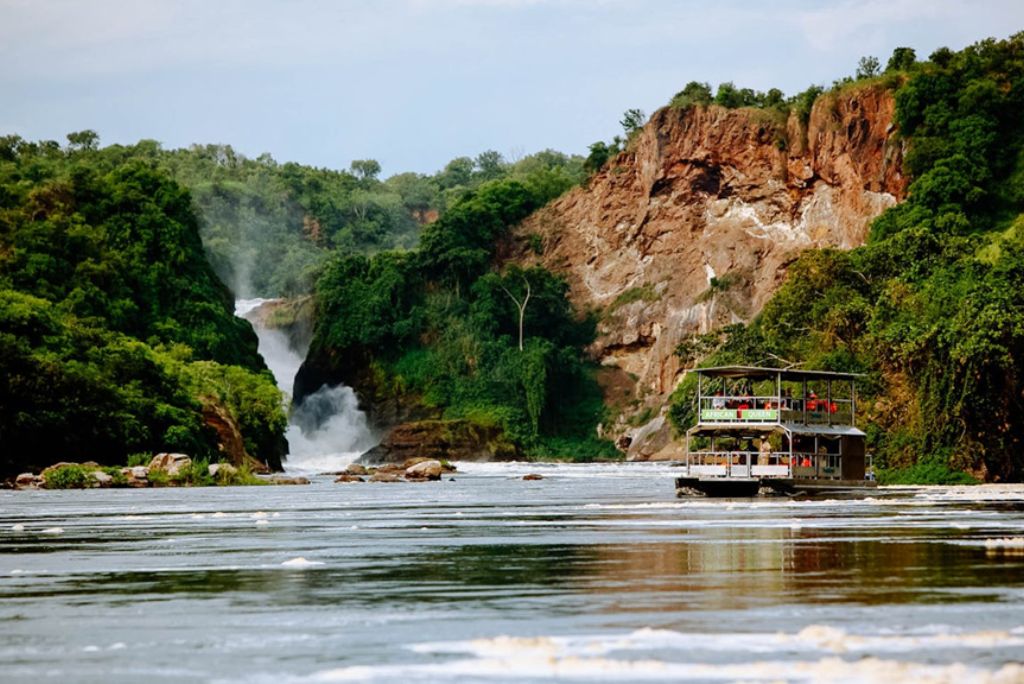
A Murchison Falls game-drive safari doesn’t require exactly the same equipment as a Bwindi gorilla trekking safari.
Your packing list should follow your activities.
Frequently Asked Questions About What to Pack for an African Safari
What should I pack for an African safari?
Pack lightweight breathable clothing, long trousers, comfortable shoes, a fleece, rain jacket, sun hat, sunscreen, insect repellent, binoculars, camera equipment, personal medication, travel documents and a small daypack.
What should I wear on an African safari?
Wear lightweight, breathable and comfortable clothing in neutral colors. Long trousers and long sleeves are particularly useful for early morning drives, sun and insect protection.
Do I need hiking boots for an African safari?
Not necessarily. Normal game drives generally require comfortable walking shoes. Hiking boots become much more important for gorilla trekking, chimpanzee trekking, forest walks and mountain hikes.
Can I wear jeans on safari?
You can, but lightweight trousers are usually more comfortable in warm weather. Jeans can be heavy, hot and slow to dry.
Do I need binoculars for safari?
You can enjoy a safari without binoculars, but a good pair dramatically improves the experience, especially for birds and distant wildlife.
What color clothing is best for safari?
Neutral colors such as khaki, beige, brown, grey and muted green are practical choices.
Can I wear black on safari?
Yes, but lighter neutral colors are often more comfortable in strong sunlight and practical for dusty conditions.
How much luggage can I take on safari?
It depends on your transportation. Some regional safari airlines have strict 15 kg soft-bag limits, while some routes allow more. Always check the specific airline and route before departure.
Should I bring a suitcase or duffel bag on safari?
If your itinerary includes small aircraft, a soft-sided duffel/safari bag is usually the safer choice, subject to your airline’s specific requirements.
Do I need warm clothes for an African safari?
Yes. Bring at least one fleece or warm layer. Early mornings, evenings and high-altitude destinations can be surprisingly cool.
Do I need a rain jacket on safari?
Yes. A lightweight waterproof jacket takes up little space and can be extremely useful.
What should I pack for a Uganda safari?
For Uganda, pack lightweight safari clothing, long trousers and sleeves, comfortable walking shoes, a rain jacket, fleece, sunscreen, insect repellent, binoculars, camera equipment, personal medication and waterproof bags. Add proper hiking boots and trekking gear if gorilla or chimpanzee trekking is included. Uganda Tourism Center recommends essentially this combination for travelers.
Final African Safari Packing Checklist
Before leaving home, check that you have:
Documents
- ☐ Passport
- ☐ Visa/entry documents
- ☐ Travel insurance
- ☐ Safari itinerary
- ☐ Emergency contacts
Clothing
- ☐ Lightweight shirts
- ☐ Long trousers
- ☐ Shorts
- ☐ Fleece
- ☐ Rain jacket
- ☐ Underwear
- ☐ Socks
- ☐ Sleepwear
Shoes
- ☐ Walking shoes
- ☐ Hiking boots if required
- ☐ Sandals
Protection
- ☐ Sunscreen
- ☐ Hat
- ☐ Sunglasses
- ☐ Insect repellent
- ☐ Hand sanitizer
Technology
- ☐ Phone
- ☐ Camera
- ☐ Binoculars
- ☐ Chargers
- ☐ Power bank
- ☐ Spare batteries
- ☐ Memory cards
- ☐ Adapter
Health
- ☐ Prescription medication
- ☐ Personal first-aid supplies
- ☐ Travel-health essentials
Bags
- ☐ Soft-sided main bag
- ☐ Daypack
- ☐ Waterproof bags
The Golden Rule of Safari Packing
Pack for the activities, not the destination name.
A two-week Uganda safari combining Murchison Falls, Kibale, Queen Elizabeth and Bwindi requires more versatility than a three-day vehicle safari in the Serengeti.
A gorilla trek requires proper footwear and rain protection.
A photographic safari requires batteries and camera storage.
A bush-flight itinerary requires careful attention to luggage weight.
And a simple game-drive safari requires surprisingly little.
The goal isn’t to arrive in Africa with the biggest suitcase.
It’s to arrive with everything you actually need—and nothing you don’t.
For Uganda travelers, the official Uganda Wildlife Authority remains the best source for current protected-area information, regulations and park management updates. UWA manages Uganda’s 10 national parks, including Bwindi, Kibale, Murchison Falls, Queen Elizabeth, Semuliki, Kidepo, Mgahinga, Lake Mburo, Mount Elgon and the Rwenzori Mountains.
Pack light. Dress for the conditions. Protect yourself from the sun and insects. Keep your camera ready—and leave room in the bag for the memories.