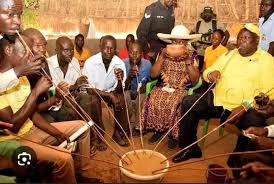
Uganda is known for its stunning landscapes, rich wildlife, and vibrant culture, but did you know that it also boasts a long-standing tradition of brewing locally-made alcoholic drinks? From the lush highlands of Western Uganda to the bustling markets in the heart of Kampala, local brews play a vital role in the daily lives of many Ugandans. LittleRock Safaris invites you to take a journey through the rich history, flavors, and fascinating process behind one of Uganda’s beloved cultural traditions: the making of local brew.
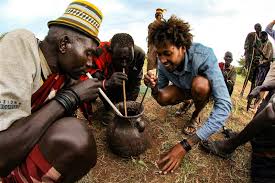
What is Local Brew in Uganda?
In Uganda, local brews are a vital part of social gatherings, rituals, and celebrations. These drinks are made from a variety of indigenous ingredients, and each region of the country has its own unique method of brewing. Whether it’s the traditional ajon from the north, malwa from the central region, or ajon and adwog from the western region, Uganda’s local brews are as diverse as the country’s culture.
Local brew is often homemade and produced using age-old techniques passed down through generations. It’s not just a drink; it’s a symbol of Ugandan hospitality, culture, and community bonding.
The Making of Local Brew: A Step-by-Step Process
The making of local brew in Uganda is an art form that involves a blend of traditional knowledge and local ingredients. While each brew may have its own variation, the basic principles of brewing remain similar. Here’s a step-by-step look at how malwa (a popular brew in Uganda) is made:
- Selecting the Ingredients
The ingredients for Ugandan local brews vary depending on the type of drink being made, but millet, sorghum, cassava, and banana are common bases. Millet and sorghum are widely used because they are readily available and produce a strong, flavorful beer-like beverage. Bananas are often used in the making of ajon (a brew popular in the north) and are mashed into a thick paste. - Fermentation: The Heart of Brewing
Fermentation is where the magic happens. After the grains or fruit are crushed or mashed, the mixture is soaked in water to begin the fermentation process. Yeast from the environment, sometimes from previous batches of brew, helps to convert sugars into alcohol.
In Uganda, the fermentation process is often done in large containers, such as clay pots or wooden barrels. Some brewers will also add honey, sugar, or pineapple for extra flavor, depending on the region.
The brew is left to ferment for a few days—sometimes even a week—until it reaches the desired alcohol content and taste. The longer the fermentation, the stronger the brew. It’s during this stage that the distinct flavors of sorghum, millet, or banana come through, each region’s method leaving a unique mark on the brew. - Straining and Storage
After fermentation, the drink is strained to remove any residual grains, skins, or solid particles. This results in a smoother, clearer liquid. Depending on the desired end product, the brew may be stored in large clay jugs, plastic containers, or bottles to allow for further aging or to preserve it for consumption later. - Ready to Drink
Once the brewing process is complete, the brew is ready to be served. It is traditionally enjoyed in calabashes or local wooden cups during communal gatherings, often accompanied by dance, music, and food. The rich, earthy flavors are best experienced fresh, as they are meant to be consumed shortly after brewing.
The Cultural Significance of Local Brews
In Uganda, local brew isn’t just about the drink—it’s about community, family, and tradition. It plays a significant role in various cultural and religious ceremonies, such as weddings, funerals, and initiation rites. These brews serve as a way of celebrating and strengthening bonds among people.
For many Ugandans, a shared mug of malwa or ajon is a symbol of unity, hospitality, and respect. Whether it’s a gathering at a local home, a village celebration, or a traditional festival, local brews are a way to bring people together, create conversation, and celebrate life’s milestones.
Local Brews in Uganda: A Vital Economic Sector
In addition to their cultural significance, local brews also have an economic importance. Many rural communities rely on brewing to generate income. Local brewers, often women, sell their homemade beverages at markets or through roadside stands, providing a source of livelihood for their families. The brew industry also supports local farmers who grow the ingredients used in brewing, such as millet, sorghum, and banana plants.
As tourism continues to grow in Uganda, tourists visiting places like Bwindi Impenetrable Forest or Queen Elizabeth National Park may also have the opportunity to experience local brews firsthand, either by visiting a brewery or partaking in a cultural exchange that includes learning how these brews are made and shared.
Uganda’s Local Brew and Responsible Tourism
At LittleRock Safaris, we are committed to responsible tourism that not only provides our guests with enriching experiences but also promotes the preservation of local traditions. When you visit Uganda, we encourage you to engage with the community and explore its culture—including sampling local brews.
We believe that tourism should be a mutually beneficial experience, supporting local economies while promoting cultural exchange. As part of our cultural safaris, we offer tours that include visits to local brewing villages, where you can learn more about the brewing process, interact with the community, and even enjoy a glass of malwa or ajon with the locals.
Conclusion: Taste the Culture, Sip the Tradition
Uganda’s local brew is more than just a drink—it’s a celebration of the country’s diverse cultures, heritage, and community spirit. Whether you’re trekking through the forests of Bwindi or enjoying the sights of Murchison Falls, local brews offer a unique way to connect with the heart of Uganda’s people. At LittleRock Safaris, we invite you to dive deeper into Uganda’s rich traditions and flavors, and enjoy a taste of its history, one sip at a time.
Book your cultural safari today with LittleRock Safaris and let us introduce you to the rich traditions and tastes of Uganda, starting with a glass of its finest local brew!
Leave a Reply