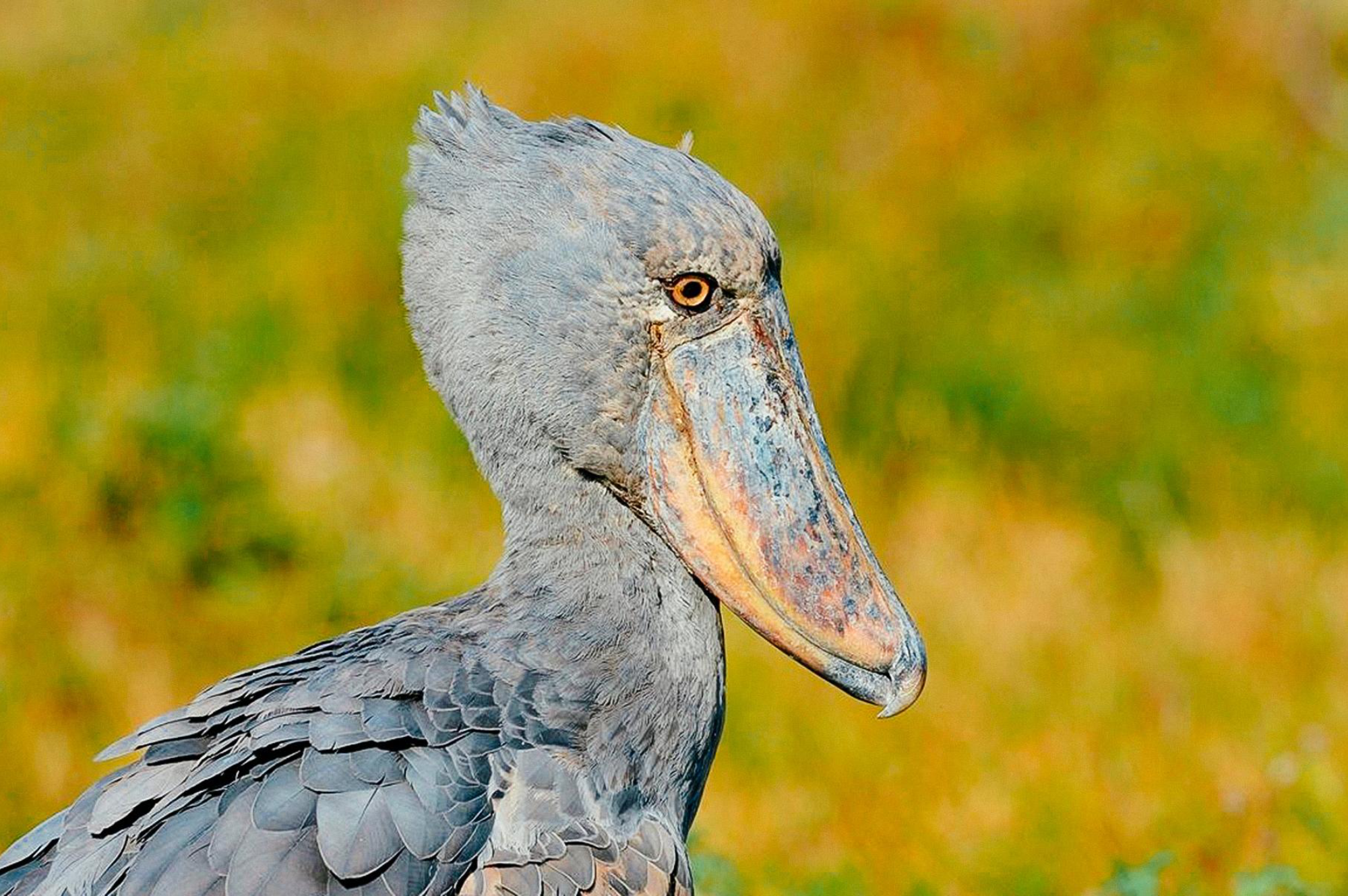
Mabamba Swamp is particularly appealing to travelers arriving through Entebbe because the wetland is close to the airport and can fit naturally into an arrival or departure itinerary.
Table of Contents
Introduction
A Mabamba Swamp shoebill tour from Kampala is one of Uganda’s most accessible wildlife and birding experiences. Instead of spending several days inside a national park, you can travel to the Lake Victoria wetland, board a traditional canoe or local boat, and search the papyrus channels for the extraordinary shoebill.
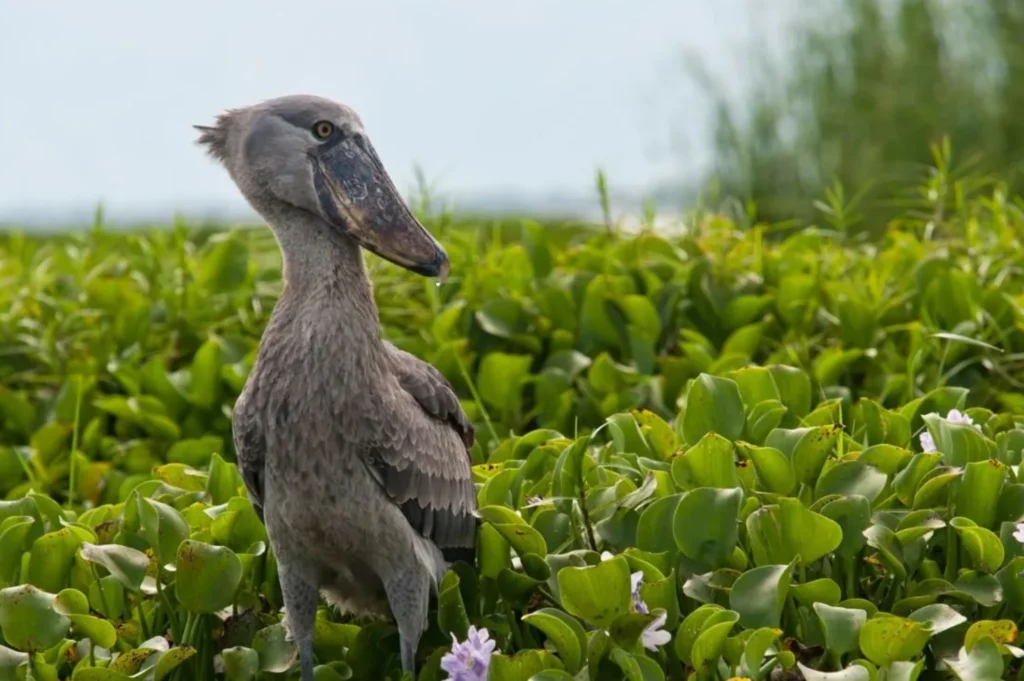
It is also practical as a half-day or one-day excursion from Kampala.
The main attraction is, of course, the shoebill stork, but the experience is about more than finding one bird. The quiet canoe ride through papyrus channels provides opportunities to see other wetland species, photograph the landscape and learn about the ecosystem from local guides.
Little Rock Safaris offers a 1-Day Mabamba Shoebill Birding Tour with transportation, an experienced guide, shoebill viewing and a guided birding excursion through the wetland.
Where is Mabamba Swamp?
Mabamba Swamp is a Lake Victoria wetland in Uganda, close to Entebbe and accessible from Kampala.
The wetland is known for its extensive papyrus channels and rich birdlife. Tourism Uganda identifies Mabamba among Uganda’s important birding destinations and highlights the shoebill as its signature attraction.
Mabamba is particularly convenient for travelers using Entebbe International Airport because it can be incorporated into an itinerary before or after a flight, provided enough time is allowed for transportation and the boat excursion.
The wetland itself is best explored by boat or canoe rather than by attempting to walk through the swamp.
Why is Mabamba Swamp famous?
Mabamba Swamp is famous primarily because it is one of Uganda’s most reliable places to search for the shoebill, a large wetland bird with an unmistakable oversized bill.
The shoebill is the main reason birdwatchers travel to Mabamba, but the wetland supports many other species. Tourism Uganda reports more than 260 bird species recorded at Mabamba, including species such as Papyrus Gonolek, Malachite Kingfisher and African Pygmy Goose.
SafariBookings describes Mabamba as a Ramsar wetland and notes that visitors regularly encounter a wide variety of waterbirds in addition to shoebills.
This makes Mabamba useful for both dedicated birders and travelers who simply want a distinctive wildlife experience close to Kampala and Entebbe.
What is a Mabamba Swamp shoebill tour like?
A typical Mabamba shoebill tour involves traveling to a landing site, meeting a local boat guide and navigating through papyrus-lined channels while searching for the shoebill and other wetland birds.
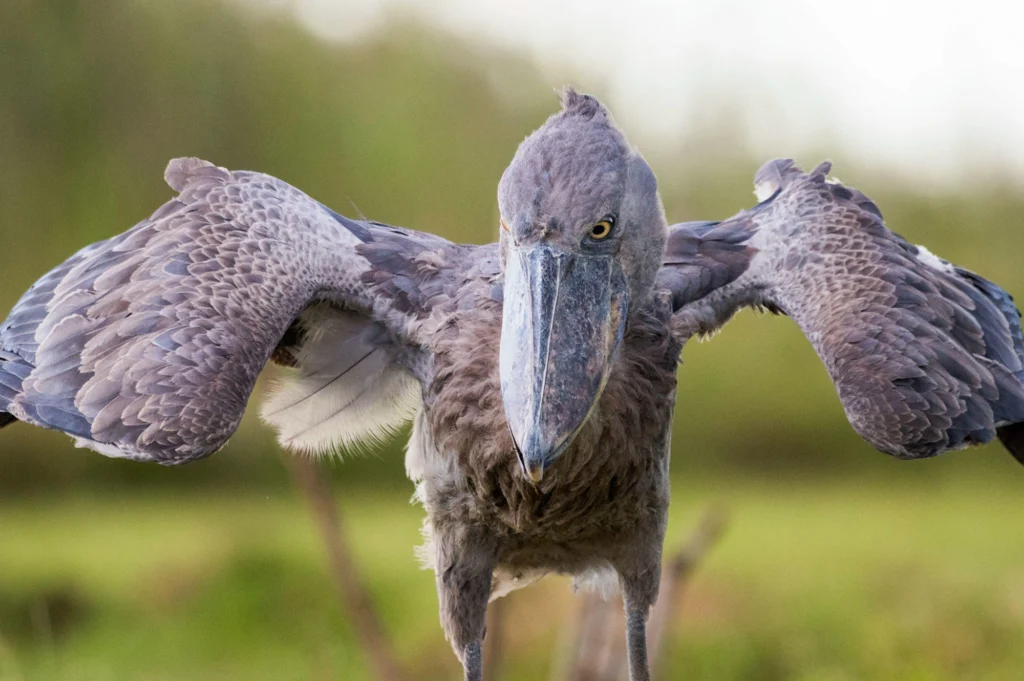
The experience is generally quiet and slow-paced.
You are not driving through a game park looking for large mammals. Instead, you are moving through narrow waterways and open wetland areas, scanning the vegetation and shallow water for birds.
A typical experience includes:
- Pick-up from Kampala or Entebbe.
- Drive to the Mabamba area or agreed boat landing point.
- Meet the local boat or birding guide.
- Receive a short safety briefing.
- Board the canoe or boat.
- Navigate the papyrus channels.
- Search for the shoebill.
- Stop for photography and bird identification.
- Continue exploring the wetland.
- Return to the landing point and transfer back to Kampala or Entebbe.
Current specialist sources describe the boat excursion as the primary way to explore the wetland and emphasize the value of local guides who know the channels and bird habitats.
Can you visit Mabamba Swamp from Kampala in one day?
Yes. Mabamba Swamp can be visited from Kampala as a half-day or full-day excursion.
For travelers based in Kampala, the most practical option is a private guided tour that includes road transportation and the wetland boat experience.
Because traffic can affect the journey between Kampala and the Lake Victoria shoreline, an early departure is advisable.
Travelers staying in Entebbe have an even shorter logistical connection, making Mabamba particularly convenient as a morning activity.
If you are flying out of Uganda on the same day, however, do not assume that a morning Mabamba tour will automatically fit your flight schedule. Build a substantial buffer for road traffic, the boat excursion and airport check-in.
How do you get to Mabamba Swamp from Kampala?
There are several ways to reach Mabamba, but a pre-arranged private tour is the simplest option for international visitors and travelers with limited time.
A private tour allows the road transfer, local guide and boat experience to be coordinated in advance.
Another option is to travel independently toward Entebbe and arrange the wetland experience locally. Current travel guides describe access through the Nakiwogo side and by road toward Mabamba, although road and ferry logistics can affect travel time.
For visitors who are unfamiliar with the area, arranging transportation in advance avoids having to negotiate multiple stages of the journey on the same day.
Kampala to Mabamba Swamp travel considerations
| Consideration | What to know |
|---|---|
| Starting point | Kampala or Entebbe |
| Main attraction | Shoebill and wetland birding |
| Main activity | Guided boat/canoe excursion |
| Recommended approach | Pre-arranged tour or local boat guide |
| Best departure | Early morning |
| Tour duration | Usually several hours including transfers |
| Weather | Rain is possible year-round |
| What matters most | Local guide knowledge and sufficient time |
Exact road time should be confirmed when booking because traffic and the selected access route can significantly affect the schedule.
What is the best time to visit Mabamba Swamp?
Mabamba Swamp can be visited throughout the year, but early morning is generally the preferred time for birding.
Current birding sources recommend early starts because cooler conditions and active bird behavior can make the experience more productive. Other sources identify August–September and December–February as particularly favorable periods for shoebill spotting, while also noting that the wetland remains a year-round destination.
Rather than promising a guaranteed sighting, it is better to think in terms of improving your chances.
Wild birds move freely, and shoebills can be difficult to locate even when experienced guides know their usual areas.
What time should you visit Mabamba Swamp?
For serious birding, an early-morning boat trip is a sensible choice.
Some specialist birding operators recommend departures around sunrise or shortly afterward.
If your schedule does not allow an early start, afternoon visits can still be possible, but confirm the timing with your guide before booking.
Can you see the shoebill at Mabamba Swamp?
Yes, Mabamba is one of Uganda’s best-known locations for searching for shoebills, but no responsible operator should guarantee a sighting of a wild bird.
The shoebill is a wild species and its location changes according to feeding patterns, water conditions, vegetation and other factors.
This is why the experience should not be judged solely by whether a bird appears immediately.
A knowledgeable local guide can improve the search by understanding the wetland’s channels, habitats and recent bird activity.
The boat ride also provides opportunities to observe other wetland species while searching.
What other birds can you see at Mabamba Swamp?
Although the shoebill is the headline species, Mabamba supports a much wider birding experience.
Depending on conditions, you may encounter:
- African Jacana
- Papyrus Gonolek
- Malachite Kingfisher
- African Fish Eagle
- African Pygmy Goose
- Herons
- Egrets
- Cormorants
- Swamp-associated warblers
- Other Lake Victoria wetland species
Little Rock’s own Mabamba tour specifically highlights African Jacana, Papyrus Gonolek and Malachite Kingfisher among the species that can be encountered.
For dedicated birders, binoculars and a camera with a reasonable zoom are highly recommended.
How much does a Mabamba Swamp shoebill tour cost?
There is no single fixed price for every Mabamba Swamp tour.
The final price depends on:
- Starting point
- Number of travelers
- Private or shared transport
- Boat arrangement
- Guide services
- Tour duration
- Meals and refreshments
- Birding requirements
- Additional Entebbe or Kampala activities
Current local listings show that boat-and-guide prices can vary considerably according to group size and departure point. For example, one current Mabamba operator lists different rates for boat excursions beginning at Mabamba and Nakiwogo, while other 2026 guides report different costs for independent and packaged experiences.
Because prices can change, requesting a current quotation is more reliable than relying on an old price published online.
For Little Rock’s tour, travelers can request a customized quotation based on their date, group size and preferred itinerary. The company’s existing Mabamba product is listed as on request per adult.
What does a Little Rock Mabamba tour include?
Little Rock Safaris’ existing 1-Day Mabamba Shoebill Birding Tour includes:
- Transportation to and from Mabamba
- An experienced birding guide
- Shoebill viewing
- Guided birding through the wetland
- Bottled water and snacks
The current itinerary begins from Kampala and includes a guided canoe/boat experience through the wetland while searching for the shoebill and other birds.
The company also includes Mabamba within its wider Uganda birding itineraries, demonstrating that the wetland can be incorporated into a longer specialist birding safari rather than treated only as a standalone day excursion.
Suggested Mabamba Swamp itinerary from Kampala
For a traveler who wants a dedicated shoebill experience, the following is a practical framework.
Early morning — Pick-up in Kampala
Meet your Little Rock guide at your hotel or agreed location and begin the journey toward Mabamba.
Morning — Arrive at the wetland
Meet the local boat guide, prepare your binoculars and camera, and board the canoe or boat.
Shoebill search
Move quietly through the papyrus channels while your guide searches suitable areas for the shoebill.
Allow time for patient observation rather than expecting the bird to appear immediately.
Wetland birding
Continue through different sections of the wetland and look for other birds.
Photography
Mabamba offers excellent opportunities for wildlife and landscape photography. A camera with some optical reach is useful because birds may not always be close to the boat.
Return to Kampala
After the boat experience, return to the landing point and begin the journey back to Kampala.
The exact schedule can be adjusted depending on your starting point, birding objectives and whether you want to add another Entebbe or Kampala activity.
What should you wear and pack for Mabamba Swamp?
A Mabamba boat trip does not require specialized safari equipment, but a few items will make the experience more comfortable.
Essential items
- Lightweight, comfortable clothing
- Hat or cap
- Sunglasses
- Sunscreen
- Insect repellent
- Reusable drinking water
- Binoculars
- Camera
- Extra batteries or power bank
- Waterproof bag for electronics
- Light rain jacket
- Comfortable shoes that can handle a wet or muddy landing
Because you will spend time on the water, protect cameras, phones and other electronics from sudden rain or splashing.
Is Mabamba Swamp suitable for non-birdwatchers?
Yes. You do not need to be a serious birder to enjoy Mabamba.
The shoebill is visually striking and the canoe journey through the papyrus wetland is itself part of the experience.
The trip is particularly suitable for travelers who:
- Have a free morning in Kampala or Entebbe
- Enjoy nature and photography
- Want to see a rare African bird
- Prefer a quieter wildlife experience
- Have already visited Uganda’s major national parks
- Want a wildlife experience without a multi-day safari
For dedicated birders, Mabamba can also be the starting point for a much longer Uganda birding itinerary.
Little Rock’s 10-day and 16-day birding itineraries already incorporate Mabamba alongside destinations such as Lake Mburo, Queen Elizabeth, Semuliki, Kibale and Bwindi.
Can you combine Mabamba with Entebbe?
Yes. Mabamba works particularly well with an Entebbe itinerary because of its location near Lake Victoria and the airport.
You can potentially combine a Mabamba excursion with selected Entebbe experiences, depending on your available time.
However, if you are traveling on the day of an international flight, allow plenty of time to return to Entebbe International Airport.
A private itinerary is preferable when timing is important because the schedule can be built around your flight rather than relying on several independent transfers.
Can you combine Mabamba with a Uganda safari?
Absolutely.
Mabamba can work as:
Arrival-day birding → Uganda safari
or
Uganda safari → Mabamba → departure
It can also be incorporated into a dedicated birding itinerary.
Little Rock’s existing birding products combine Mabamba with destinations such as Lake Mburo, Murchison Falls, Semuliki, Kibale and Bwindi, making it possible to build a much broader birding journey around the shoebill experience.
Why choose a guided Mabamba tour?
A guided experience removes much of the logistical uncertainty from a wetland visit.
The biggest advantage is not simply transportation. It is local knowledge.
Mabamba is a wetland made up of interconnected channels and papyrus habitats. An experienced guide can help identify birds, navigate the waterways and spend time searching appropriate areas rather than treating the experience as a simple boat ride.
For international visitors, a private tour also means that Kampala or Entebbe transfers, the boat experience and the return journey can be coordinated as one itinerary.
Is Mabamba Swamp worth visiting?
If seeing a shoebill is on your Uganda travel list, Mabamba is one of the most practical places to add to your itinerary.
Its biggest advantage is accessibility.
You do not need to spend several days driving into a remote national park to have a chance of seeing a shoebill. Mabamba can be incorporated into a Kampala, Entebbe or broader Uganda itinerary.
The experience also provides something different from a conventional game drive: instead of savannah and large mammals, you get papyrus wetlands, canoeing, bird photography and a specialist search for one of Africa’s most distinctive birds.
Frequently Asked Questions About Mabamba Swamp
How far is Mabamba Swamp from Kampala?
Mabamba is accessible from Kampala, although the exact road journey depends on the route, traffic and selected landing point. It is closer to Entebbe than central Kampala, making Entebbe a particularly convenient base for the experience.
How far is Mabamba Swamp from Entebbe?
Mabamba is relatively close to Entebbe, although road and boat access routes differ. SafariBookings notes that the wetland lies a little over 10 km from Entebbe as the crow flies, while the road route is longer.
What is the best time to see a shoebill at Mabamba?
Early morning is generally preferred for birding. Mabamba can be visited throughout the year, with some sources identifying August–September and December–February as favorable periods.
Is the shoebill guaranteed at Mabamba?
No. The shoebill is a wild bird, so sightings cannot responsibly be guaranteed. Experienced local guides can improve your chances by knowing the wetland and recent bird locations.
How long does a Mabamba Swamp tour take?
The boat excursion itself commonly takes a few hours, while a Kampala-based experience takes longer because of road transfers. Allow at least a half day and preferably a flexible morning or day depending on your itinerary.
Can I visit Mabamba Swamp without a tour?
Yes, independent visits are possible, and current travel guides describe arranging local boat trips at Mabamba or through access points around Entebbe.
However, travelers unfamiliar with the area may find a pre-arranged guided tour more convenient.
What should I bring to Mabamba Swamp?
Bring binoculars, a camera, sunscreen, a hat, drinking water, insect repellent, comfortable clothing and protection for electronic equipment.
Is Mabamba good for photography?
Yes. The wetland provides opportunities for bird and landscape photography. A camera with a zoom lens is particularly useful because birds may be some distance from the boat.
Can I visit Mabamba on my arrival day in Uganda?
Potentially, yes, particularly if you arrive early and have sufficient time before your accommodation check-in. However, international flight delays and immigration procedures can be unpredictable, so a post-arrival tour should be scheduled with an appropriate time buffer.
Can I visit Mabamba before my international flight?
It can be possible because of the wetland’s proximity to Entebbe, but you should leave a generous buffer between the tour and your flight. Do not plan a tight same-day connection.
Plan Your Mabamba Shoebill Tour from Kampala
Mabamba Swamp offers a rare combination of easy accessibility, local community guiding, wetland scenery and the opportunity to search for the iconic shoebill.
For a first visit, an early-morning guided boat excursion is the most practical option. Give yourself enough time to search patiently, bring binoculars and don’t overlook the other wetland birds that make the experience worthwhile even before the shoebill appears.
Little Rock Safaris can arrange a 1-Day Mabamba Shoebill Birding Tour from Kampala, with transportation, a birding guide and the wetland experience included in the itinerary. The company can also incorporate Mabamba into a longer Uganda birding safari.
Ready to look for the shoebill? Explore Little Rock’s 1-Day Mabamba Shoebill Birding Tour
For a customized trip, provide your travel date, number of travelers, Kampala or Entebbe pick-up point and whether your priority is shoebill photography, general birding or a broader Uganda safari.
Leave a Reply