Experience the Thrill of Tracking the Rare Golden Cat in Kibale Forest
At LittleRock Safaris,we’re always on the lookout for unique and thrilling wildlife experiences in Uganda.This time,we’re excited to share the latest and most exclusive offering in Uganda’s tourism industry – Golden Cat Tracking in the breathtaking in Kanyancu in Kibale Forest National Park along the scenic Ngogo Road.
As Uganda continues to be a top destination for wildlife enthusiasts and adventurers,this new opportunity promises to take your safari experience to the next level.Whether you’re a passionate wildlife photographer or simply looking to explore Uganda’s rich biodiversity,this is a once-in-a-lifetime adventure you won’t want to miss.
What is Golden Cat Tracking in Uganda?
The Golden Cat (Profelis aurata) is one of Africa’s most elusive and enigmatic predators,rarely spotted in the wild due to its nocturnal habits and remote habitat. Known for its striking golden fur and stealthy nature,the Golden Cat is a true gem of the African wilderness.
For the first time,Uganda Wildlife Authority (UWA) is offering an incredible opportunity to track this elusive feline in the pristine wilderness of Kanyanchu Kibale Forest.LittleRock Safaris is proud to bring you this unique experience to track and observe the Golden Cat in its natural habitat, located in one of the most biodiverse regions of Uganda.
Why Kanyanchu in Kibale Forest
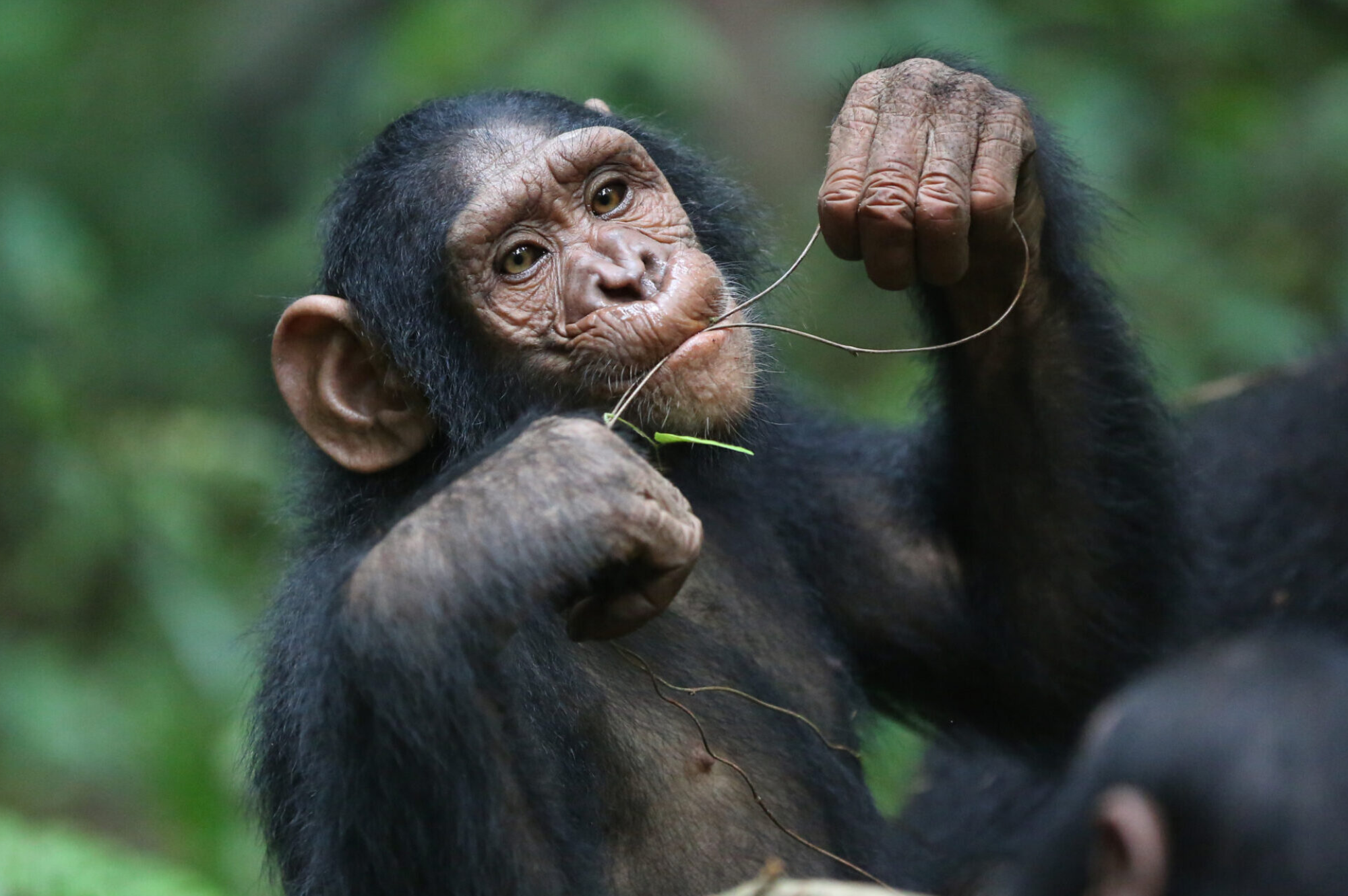
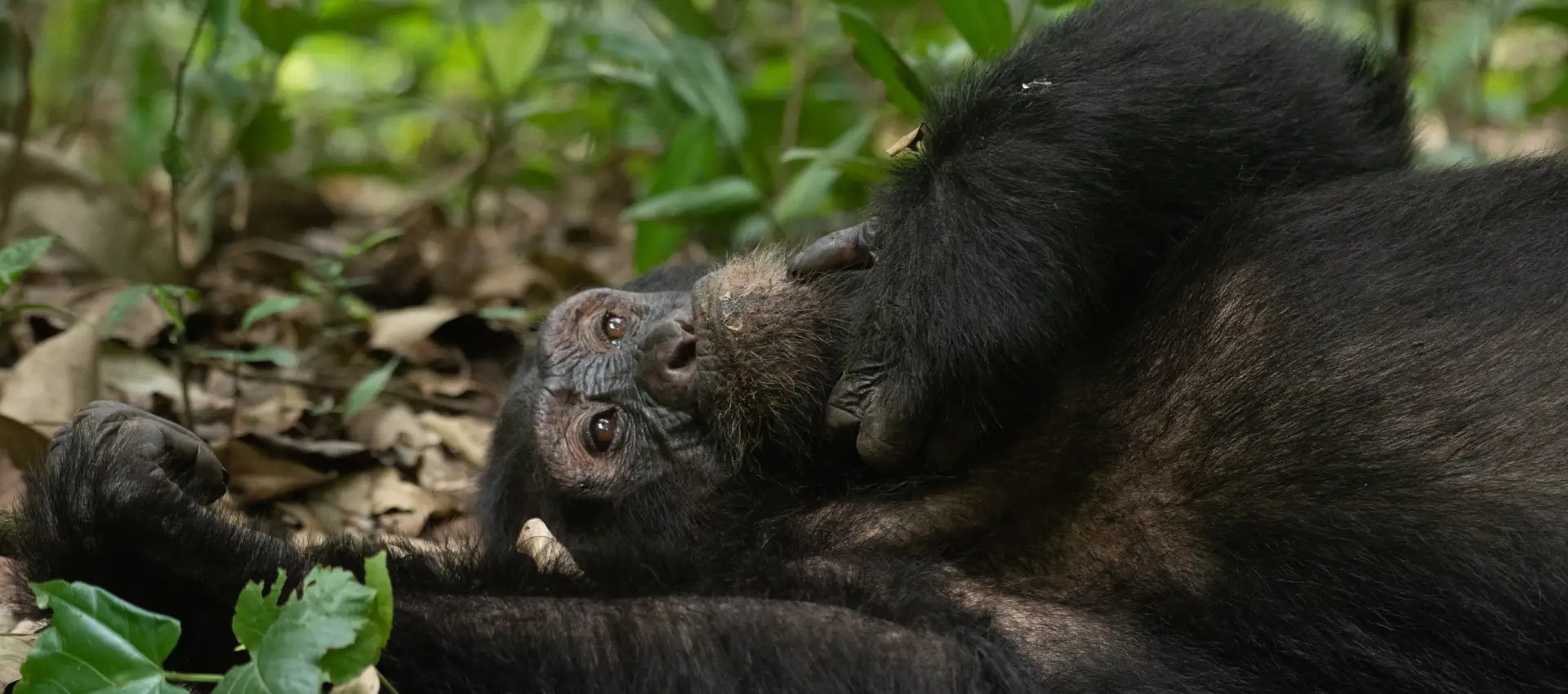
Kanyanchu in Kibale Forest is a natural treasure trove of wildlife and one of Uganda’s most sought-after safari destinations.This tropical rainforest, is home to a wide variety of species, including chimpanzees,monkeys and rare birds, making it an ideal location for wildlife tracking.
The forest offers a perfect setting for Golden Cat tracking, with its dense canopy, remote trails, and rich ecosystem.The Ngogo area, in particular,provides access to some of the most undisturbed parts of the forest,making it a prime spot for spotting the Golden Cat and other rare species.
What to Expect from Your Golden Cat Tracking Adventure
This 4-day Golden Cat tracking tour is designed for true wildlife enthusiasts looking to explore Uganda’s hidden gems.Here’s what you can expect from this exciting journey:
Expert Guides and Tracking: Your journey will be led by highly experienced wildlife guides who specialize in tracking the Golden Cat. These professionals know the forest like the back of their hands and will increase your chances of spotting this rare cat.
A Unique Safari Experience: Over the four-day trip,you will venture into the heart of Kibale Forest,navigating its diverse terrains from thick jungle to open grasslands.You’ll learn about the forest’s ecosystem,plant life and the various animal species that call it home.
Golden Cat Sighting: While sightings of the elusive Golden Cat cannot be guaranteed,the chances of encountering this stunning predator are heightened by the expertise of your guides and the prime location of the tracking area.
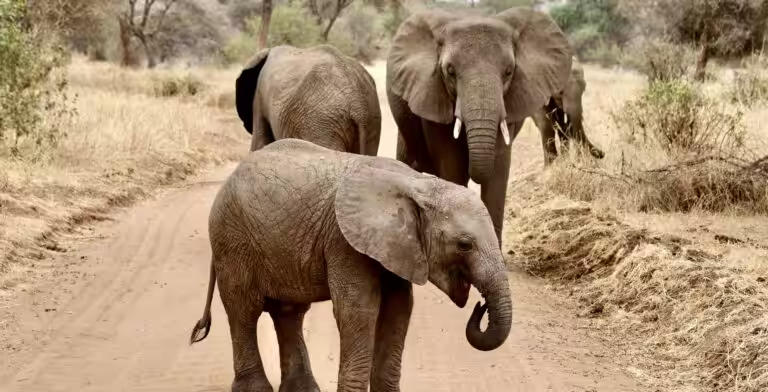
Diverse Wildlife Encounters: In addition to the Golden Cat,you’ll have the opportunity to encounter a range of other wildlife, including chimpanzees, forest elephants, and a variety of bird species.
Immersive Nature: This isn’t just about tracking a single species – it’s about fully immersing yourself in the natural wonders of Uganda’s Kibale Forest, one of the best places in the world for biodiversity.
Golden Cat Tracking Permit Price
The Golden Cat Tracking permit costs USD 350 per person for the 4-day adventure. This price includes:
All necessary permits to track the Golden Cat.
Guided tracking tours by experienced wildlife experts.
This is an exclusive adventure for wildlife lovers,photographers and those looking for a truly off-the-beaten-path experience in Uganda.
Why Should You Book Golden Cat Tracking?
Uganda is renowned for its incredible wildlife, and Golden Cat Tracking is the latest gem in the country’s tourism offerings. This unique product enhances Uganda’s reputation as a top destination for wildlife safaris and eco-tourism in Africa.
Golden Cat tracking offers an unmatched opportunity to see one of Africa’s rarest cats in its natural environment. Whether you’re a seasoned wildlife traveler or a first-time visitor to Uganda, this experience promises to be both thrilling and educational. It’s a must-do for anyone passionate about wildlife conservation and sustainable tourism.
How to Book Your Golden Cat Tracking Safari with LittleRock Safaris
Booking your Golden Cat Tracking tour with LittleRock Safaris is simple.Our team of experts will help you plan your trip from start to finish, ensuring every detail is taken care of. From securing your permits to arranging transport, accommodation, and expert guides, we provide a seamless experience so you can focus on enjoying your adventure.
Simply reach out to us at info@littlerocksafaris.com and we’ll handle all the arrangements for your dream safari.
With the help of LittleRock Safaris, you can embark on an unforgettable adventure that combines wildlife tracking, adventure, and nature immersion. Book your spot today and get ready for a safari experience like no other!
LittleRock Safaris – Where Adventure Meets Conservation and Unforgettable Wildlife Encounters.
Blog
-
Golden Cat Tracking in Uganda:A new wildlife Adventure with Littlerock Safaris
-

Experience Uganda’s rich wedding Tradition:The Bride price and introduction ceremony with Littlerock safaris
Uganda is a country rich in diverse cultures, traditions, and customs, and one of the most significant cultural practices is the bride price and introduction ceremony. These important rites of passage play a pivotal role in weddings and family unions across various Ugandan ethnic groups, including the Baganda, Basoga, Banyankore, and many others. At LittleRock Safaris,we are passionate about showcasing the beauty and significance of Ugandan culture, offering travelers an unforgettable opportunity to participate in these time-honored ceremonies while learning about their profound cultural meanings.
In this blog,we will dive deep into the bride price culture, the introduction ceremony, and how guests can take part in these extraordinary cultural experiences when traveling with LittleRock Safaris.
What is the Bride Price in Uganda?
The bride price, or “omukaga/esirimba” in the local language,is a traditional practice in Uganda where the groom’s family presents a gift,usually in the form of money,livestock or other valuable items,to the bride’s family.This gift is meant to symbolize respect, appreciation,and the value of the bride within her community. It is also seen as a way of formally confirming the groom’s intentions and his family’s commitment to the union.
Historical Significance of the Bride Price
The bride price is not merely a financial transaction;it is deeply rooted in cultural and social symbolism. In many Ugandan communities, it marks the formal transition of a woman from her family to her new husband’s family, signifying that she is now an important member of her husband’s community. It is a sign of goodwill,respect and honor, both for the bride and her family.
The Bride Price Across Ugandan Ethnic Groups
While the specifics of the bride price can vary depending on the tribe or region, it is universally acknowledged as a cornerstone of Ugandan marriage traditions. For instance:
In Baganda culture, the bride price is referred to as “esirimba,” and it can include cows, goats, and money.
Among the Banyankore people, the bride price can include cattle, which hold significant cultural and economic value.
In the Basoga community, the gift might include a mix of livestock, money, and household goods.
Each ethnic group has its own customs and practices surrounding the bride price, but all share a common understanding of its cultural importance.
The Introduction Ceremony in Uganda
The introduction ceremony, or “Kwanjula” in the Baganda culture, is one of the most important pre-marriage events in Uganda. It marks the official presentation of the groom’s family to the bride’s family, a crucial step before the couple can proceed to a formal wedding. The introduction ceremony is not just a formality; it is a celebration of the coming together of two families, cultures, and communities.
Key Rituals and Traditions of the Introduction Ceremony
During the introduction ceremony, the groom’s family visits the bride’s family home, bringing gifts that include food, drinks, and sometimes traditional attire. The groom’s family also brings the agreed-upon bride price as a gesture of respect. The bride’s family, in turn, formally accepts the groom into their fold, often in the presence of extended family members, elders, and friends.
One of the most significant parts of the introduction ceremony is when the bride formally introduces her groom to her family, which marks the official acknowledgment of the groom’s intentions. The bride’s family may question the groom about his background, his plans for the future, and his readiness for marriage. The ceremony often involves traditional songs, dances, and blessings from elders.
Cultural Attire and Dance
Both families are dressed in traditional Ugandan attire, and there are vibrant dances and performances that accompany the ceremony. Traditional music fills the air as elders share wisdom, while the couple exchanges symbolic gifts. This event is filled with joy, laughter, and excitement, marking the beginning of a new chapter in the lives of the bride and groom.
How Guests Can Participate in the Bride Price and Introduction Ceremony with LittleRock Safaris
At LittleRock Safaris, we offer an exceptional opportunity for visitors to engage in and experience the rich cultural practices of Uganda, including the bride price and introduction ceremony. Here’s how you can get involved:- Attend a Real Introduction Ceremony
Through our tailored cultural tours, you can attend a live introduction ceremony in Uganda. Imagine the vibrant colors, the rhythm of the traditional music, and the warmth of the Ugandan people as they celebrate the coming together of two families. As a guest, you will be welcomed with open arms and given the chance to witness the ceremony up close, gaining insight into one of Uganda’s most cherished traditions. - Participate in Traditional Dance and Songs
Guests of LittleRock Safaris are often invited to join in the traditional dances and songs that accompany the bride price and introduction ceremony. These dances are not just for the locals; they are a way for you to immerse yourself in Ugandan culture. Whether you are an experienced dancer or a beginner, the Ugandan people will make you feel at home as you join in the celebrations. - Engage with Local Communities and Families
One of the highlights of participating in the introduction ceremony is the opportunity to engage with local families and communities. You’ll have the chance to speak with elders, learn about their customs, and ask questions about the significance of the bride price. This cultural exchange adds an authentic layer to your experience in Uganda and allows you to gain a deeper understanding of the country’s rich heritage. - Witness the Presentation of the Bride Price
Guests can experience the moment when the groom’s family presents the bride price to the bride’s family. This is a deeply meaningful moment, and watching it will give you a profound appreciation of Ugandan culture. You’ll understand the importance of this tradition and the respect it signifies, all while enjoying the vibrant atmosphere of the ceremony. - Share in the Feast and Festivities
After the formal proceedings of the introduction ceremony, the celebration moves to a feast filled with traditional Ugandan food, music, and dance. Guests are often invited to join in the celebrations, enjoying dishes like matoke, posho, g-nut paste, and roast meats. The festive atmosphere is infectious, and you’ll get to experience Ugandan hospitality at its finest.
Why Participate in the Bride Price and Introduction Ceremony?
Participating in these traditional ceremonies offers several enriching benefits for travelers:
Cultural Immersion: It’s a chance to fully immerse yourself in Ugandan culture, connecting with the local people and learning about their customs and beliefs.
Authentic Experience: Attending an introduction ceremony or witnessing the bride price tradition allows you to experience an authentic aspect of Ugandan life that most tourists don’t have access to.
Memorable Moments: The ceremony is filled with music, dancing, storytelling, and celebration, making it a once-in-a-lifetime opportunity to witness a deeply rooted cultural practice.
Building Connections: Engaging with local families during these ceremonies creates lasting memories and offers a chance to form personal connections with the people of Uganda.
Conclusion
The bride price and introduction ceremony are central to Uganda’s rich cultural heritage, and LittleRock Safaris offers an exclusive opportunity for you to experience these remarkable traditions firsthand. By participating in these events, you will gain a deeper understanding of Ugandan society, its values, and the importance of family and community.
At LittleRock Safaris, we believe in providing travelers with not only incredible safari adventures but also authentic cultural experiences that leave a lasting impression. Book your trip today and take part in Uganda’s vibrant wedding traditions for an experience you’ll never forget.
- Attend a Real Introduction Ceremony
-

Sip the tradition:A journey into Ugandas local brew culture
Uganda is known for its stunning landscapes, rich wildlife, and vibrant culture, but did you know that it also boasts a long-standing tradition of brewing locally-made alcoholic drinks? From the lush highlands of Western Uganda to the bustling markets in the heart of Kampala, local brews play a vital role in the daily lives of many Ugandans. LittleRock Safaris invites you to take a journey through the rich history, flavors, and fascinating process behind one of Uganda’s beloved cultural traditions: the making of local brew.

images (67)
What is Local Brew in Uganda?
In Uganda, local brews are a vital part of social gatherings, rituals, and celebrations. These drinks are made from a variety of indigenous ingredients, and each region of the country has its own unique method of brewing. Whether it’s the traditional ajon from the north, malwa from the central region, or ajon and adwog from the western region, Uganda’s local brews are as diverse as the country’s culture.
Local brew is often homemade and produced using age-old techniques passed down through generations. It’s not just a drink; it’s a symbol of Ugandan hospitality, culture, and community bonding.
The Making of Local Brew: A Step-by-Step Process
The making of local brew in Uganda is an art form that involves a blend of traditional knowledge and local ingredients. While each brew may have its own variation, the basic principles of brewing remain similar. Here’s a step-by-step look at how malwa (a popular brew in Uganda) is made:- Selecting the Ingredients
The ingredients for Ugandan local brews vary depending on the type of drink being made, but millet, sorghum, cassava, and banana are common bases. Millet and sorghum are widely used because they are readily available and produce a strong, flavorful beer-like beverage. Bananas are often used in the making of ajon (a brew popular in the north) and are mashed into a thick paste. - Fermentation: The Heart of Brewing
Fermentation is where the magic happens. After the grains or fruit are crushed or mashed, the mixture is soaked in water to begin the fermentation process. Yeast from the environment, sometimes from previous batches of brew, helps to convert sugars into alcohol.
In Uganda, the fermentation process is often done in large containers, such as clay pots or wooden barrels. Some brewers will also add honey, sugar, or pineapple for extra flavor, depending on the region.
The brew is left to ferment for a few days—sometimes even a week—until it reaches the desired alcohol content and taste. The longer the fermentation, the stronger the brew. It’s during this stage that the distinct flavors of sorghum, millet, or banana come through, each region’s method leaving a unique mark on the brew. - Straining and Storage
After fermentation, the drink is strained to remove any residual grains, skins, or solid particles. This results in a smoother, clearer liquid. Depending on the desired end product, the brew may be stored in large clay jugs, plastic containers, or bottles to allow for further aging or to preserve it for consumption later. - Ready to Drink
Once the brewing process is complete, the brew is ready to be served. It is traditionally enjoyed in calabashes or local wooden cups during communal gatherings, often accompanied by dance, music, and food. The rich, earthy flavors are best experienced fresh, as they are meant to be consumed shortly after brewing.
The Cultural Significance of Local Brews
In Uganda, local brew isn’t just about the drink—it’s about community, family, and tradition. It plays a significant role in various cultural and religious ceremonies, such as weddings, funerals, and initiation rites. These brews serve as a way of celebrating and strengthening bonds among people.
For many Ugandans, a shared mug of malwa or ajon is a symbol of unity, hospitality, and respect. Whether it’s a gathering at a local home, a village celebration, or a traditional festival, local brews are a way to bring people together, create conversation, and celebrate life’s milestones.
Local Brews in Uganda: A Vital Economic Sector
In addition to their cultural significance, local brews also have an economic importance. Many rural communities rely on brewing to generate income. Local brewers, often women, sell their homemade beverages at markets or through roadside stands, providing a source of livelihood for their families. The brew industry also supports local farmers who grow the ingredients used in brewing, such as millet, sorghum, and banana plants.
As tourism continues to grow in Uganda, tourists visiting places like Bwindi Impenetrable Forest or Queen Elizabeth National Park may also have the opportunity to experience local brews firsthand, either by visiting a brewery or partaking in a cultural exchange that includes learning how these brews are made and shared.
Uganda’s Local Brew and Responsible Tourism
At LittleRock Safaris, we are committed to responsible tourism that not only provides our guests with enriching experiences but also promotes the preservation of local traditions. When you visit Uganda, we encourage you to engage with the community and explore its culture—including sampling local brews.
We believe that tourism should be a mutually beneficial experience, supporting local economies while promoting cultural exchange. As part of our cultural safaris, we offer tours that include visits to local brewing villages, where you can learn more about the brewing process, interact with the community, and even enjoy a glass of malwa or ajon with the locals.
Conclusion: Taste the Culture, Sip the Tradition
Uganda’s local brew is more than just a drink—it’s a celebration of the country’s diverse cultures, heritage, and community spirit. Whether you’re trekking through the forests of Bwindi or enjoying the sights of Murchison Falls, local brews offer a unique way to connect with the heart of Uganda’s people. At LittleRock Safaris, we invite you to dive deeper into Uganda’s rich traditions and flavors, and enjoy a taste of its history, one sip at a time.
Book your cultural safari today with LittleRock Safaris and let us introduce you to the rich traditions and tastes of Uganda, starting with a glass of its finest local brew!
- Selecting the Ingredients
-

Making a difference: Littlerock Safaris commitment to support the Batwa community in Bwindi Impenetratable national park
At LittleRock Safaris,we believe that true travel experiences go beyond the landscapes,wildlife and adventures they also encompass the people and communities who make these places so special.We are deeply committed to not only providing our guests with unforgettable safari experiences but also giving back to the communities that host us.One of the most fulfilling ways we do this is through our support for the Batwa people,a vulnerable community in Bwindi Impenetrable Forest.

Bwindi Impenetrable National Park
In this blog,we want to share with you a touching story of compassion and community support,as we recently had the privilege of giving back to the Batwa-a community who has faced numerous challenges over the years. Here’s how LittleRock Safaris is working to make a positive impact,one act of kindness at a time.
Who Are the Batwa?
The Batwa people are an indigenous group who once lived in the dense rainforests of Bwindi Impenetrable Forest.Historically,they were hunter-gatherers,relying on the forest for their livelihood.However,with the establishment of Bwindi Impenetrable Forest National Park and its designation as a UNESCO World Heritage Site, the Batwa were displaced from their ancestral land in the 1990s.This sudden loss of their traditional way of life led to extreme poverty and marginalization.
Today,many Batwa live in nearby villages,including the small settlement of Buhoma,just outside the forest. Despite their resilience,they continue to face significant challenges,including lack of access to education,healthcare, and basic necessities.At LittleRock Safaris,we believe it’s crucial to support them and help improve their quality of life.
Our Commitment: Giving Back to the Batwa Community
In recent months,LittleRock Safaris had the honor of supporting the Batwa community in Buhoma by organizing a charitable donation of much-needed goods.As part of our community outreach efforts,we were able to provide essential items such as:
Clothing:Many Batwa families live in conditions where access to new clothes is limited. Our donation of clothing aimed to bring some comfort and dignity to these vulnerable families.
Food:With limited access to consistent sources of nutrition, many Batwa struggle to provide enough food for their families. We delivered essential food supplies, ensuring that they had access to a steady source of sustenance.
Sanitary Materials:A lack of proper sanitation materials can lead to serious health issues.We provided sanitary pads,soaps and other hygiene products to help improve health and hygiene within the community.
Medical Supplies: Understanding that healthcare is a challenge in remote communities,we also provided some basic medical supplies to support health and wellness.
Our team,alongside local community leaders,personally distributed these items with love and care.It was an incredibly moving experience and seeing the joy and gratitude on the faces of the Batwa people was a reminder of why giving back is so important.
Why Giving Back Matters
At LittleRock Safaris,we recognize that sustainable tourism goes hand in hand with community support.By contributing to the well-being of the Batwa people,we are not only improving their lives but also ensuring that tourism in Uganda can be a force for good.Supporting local communities ensures that they benefit from the very tourism industry that draws people to their lands,helping to create long-term positive impacts on both the environment and its people.
The Batwa are an integral part of Uganda’s culture and history and we feel privileged to play a small role in helping them thrive in a modern world that often leaves them behind.Beyond providing basic needs,our goal is to empower the Batwa by giving them the tools and resources to break the cycle of poverty.This includes supporting educational initiatives,promoting access to healthcare and collaborating with local organizations that work towards the economic empowerment of the Batwa.
How Our Guests Can Make a Difference
We’re incredibly grateful to our guests who choose to travel with us at LittleRock Safaris,as their bookings allow us to continue our efforts in community support.When you book a safari with us,you’re not only embarking on a life-changing adventure but also contributing to these community-driven initiatives. Our commitment to giving back is part of our core values, and we invite our guests to be part of this journey.
Here’s how you can get involved during your visit:
Donate in-kind items: If you’re traveling with us, consider bringing along new or gently used clothing, hygiene items, or school supplies to donate to the Batwa community.
Support local businesses: Our safari itineraries include visits to Batwa-run initiatives,where you can purchase handmade crafts or support their tourism ventures,directly benefiting their livelihoods.
Spread the word: Share the stories of the Batwa and their journey, helping raise awareness about the challenges they face and the ongoing efforts to empower them.
Looking Ahead: Continuing Our Support for the Batwa
This is just one example of how LittleRock Safaris is working to support Uganda’s vulnerable communities. Our work with the Batwa people is an ongoing initiative, and we are committed to continuously finding new ways to support them,from educational scholarships to sustainable livelihood programs.
We also work closely with local partners and NGOs to ensure that the support we provide is effective and meaningful, creating lasting change within the Batwa community and beyond.
Join Us in Making a Difference
Traveling with purpose is more rewarding than just seeing the sights—it’s about contributing to the places and people that make those sights possible. When you book your next safari with LittleRock Safaris,you’re not just embarking on a once-in-a-lifetime adventure;you’re helping to create a lasting impact in Uganda’s most underserved communities.
Together, we can help build a better future for the Batwa people and support their resilience as they continue to thrive.
Book your safari today and become part of our mission to give back and make a real difference. -

Discover the Shoebill Stock: Why Uganda is the ultimate destination for birders
If you’re an avid birdwatcher or nature enthusiast,encountering the majestic Shoebill Stork in the wild should be at the top of your wildlife bucket list. Known for its prehistoric appearance, sharp beak and strikingly impressive stature,the Shoebill Stork is one of Africa’s most sought-after bird species—and Uganda is one of the very best places on Earth to see this remarkable bird in its natural habitat.

Shoebill Stork Uganda Vivienne Lewis small scaled
At LittleRock Safaris,we specialize in providing birding safaris in Uganda,a country that offers some of the most thrilling wildlife experiences,including the unforgettable sight of the Shoebill Stork.Here’s why Uganda stands out as the ultimate destination for bird lovers looking to spot this elusive bird.- Uganda is Home to the Largest Population of Shoebill Storks
Uganda is considered one of the top destinations in the world to see the Shoebill Stork,and for good reason.It is home to one of the largest populations of these fascinating birds in Africa.The Shoebill is a wetland bird that thrives in swampy environments, and Uganda offers the ideal conditions for these birds to nest and feed.Among the best spots in Uganda to observe the Shoebill are the Murchison Falls National Park,the Mabamba Bay Wetlands, and the Sopoi Swamp.
While Shoebill Storks can also be found in other African countries, Uganda’s mix of pristine wetlands and protected national parks gives birdwatchers an unrivaled chance to spot this magnificent bird, often in close proximity,as the Shoebill prefers remote and quiet areas. - Murchison Falls National Park: A Shoebill Paradise
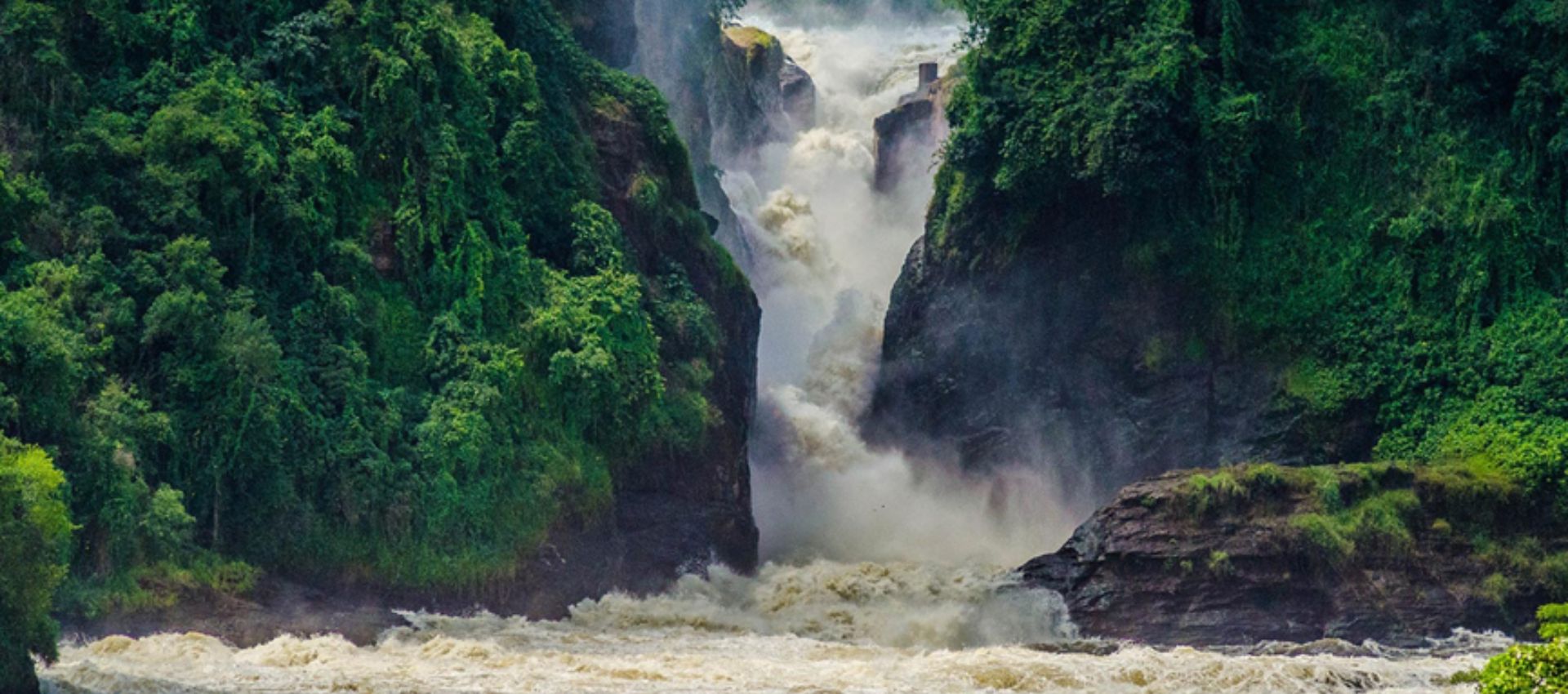
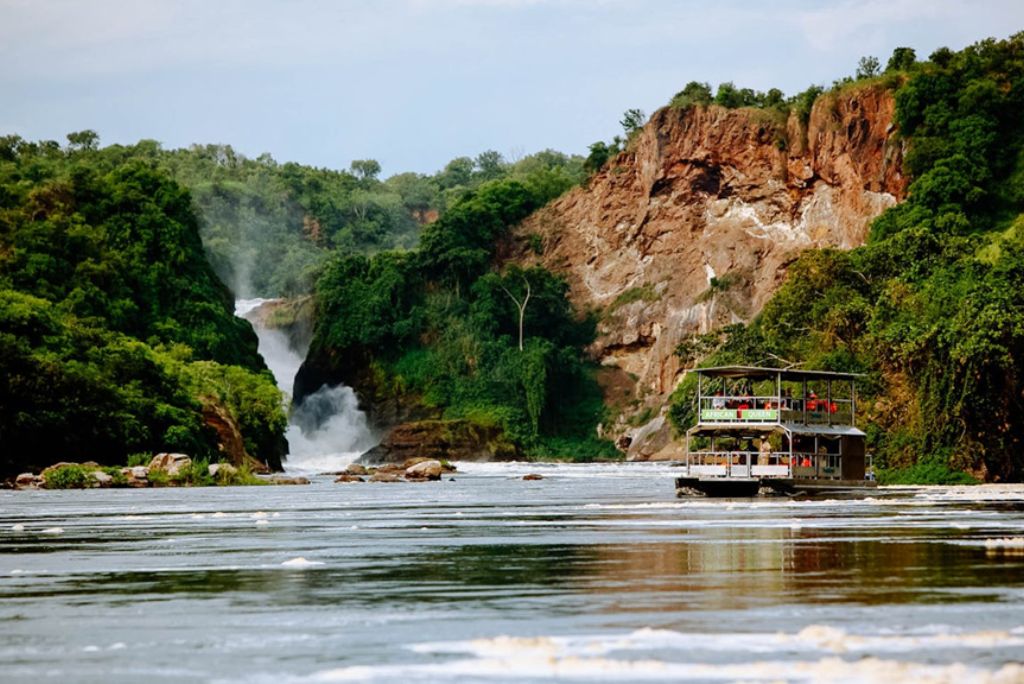
One of the best places to see the Shoebill Stork in Uganda is in Murchison Falls National Park, located in the northwest of the country.Known for its stunning Murchison Falls (where the Nile River forces its way through a narrow gorge),the park is also a birdwatcher’s paradise. Alongside the Nile’s banks and the surrounding wetlands,you’ll find a healthy population of Shoebills.
Murchison Falls National Park is a prime habitat for the Shoebill due to its vast wetlands,particularly in areas such as the Delta area and the Victoria Nile.LittleRock Safaris offers boat cruises on the Nile, giving birders the chance to spot the Shoebill from the comfort of a boat,navigating the river’s calm waters and soaking in the surrounding landscapes.
As the boat drifts silently through the marshes and swamps,you’ll have the opportunity to see the Shoebill wading in the waters, hunting for fish and occasionally striking that iconic pose with its massive bill raised high.The stillness and serenity of the area make this a truly magical experience for bird lovers. - Mabamba Bay Wetlands: A Shoebill Hotspot
Another excellent location to spot the Shoebill Stork is the Mabamba Bay Wetlands,located on the southern shores of Lake Victoria. The wetland areas around the lake provide the perfect environment for the Shoebill,with abundant reeds,shallow waters and plenty of fish for the birds to feed on.
Located near Kampala,Mabamba Bay is a more accessible location for those looking for a quick birding trip.A guided boat tour through the bay gives you an incredible chance to see the Shoebill in action,often standing perfectly still in the water before it strikes with impressive precision to catch fish.
The swampy terrain here is ideal for these elusive birds,and the peaceful environment offers unparalleled opportunities for birdwatchers to observe the Shoebill in its natural habitat.It’s one of the best spots for photographers and birdwatchers alike,with a chance to capture some truly breathtaking shots of this iconic bird. - Easy Access and Expert Guidance from LittleRock Safaris
At LittleRock Safaris,we specialize in creating personalized birding safaris that focus on providing birdwatchers with the best opportunities to see the Shoebill Stork and other iconic African birds.We offer expert guides who are intimately familiar with Uganda’s birding hotspots, and they will take you to the most productive areas for Shoebill sightings.
Whether you’re on a guided boat cruise through Murchison Falls’ Nile Delta or exploring the wetlands of Mabamba Bay,our birding safaris ensure you have an enriching experience.Our expert guides know the Shoebill’s behavior,feeding habits and preferred habitats,giving you a better chance to observe them up close while learning more about their unique ecology. - A Thrilling Birding Experience Beyond the Shoebill
While the Shoebill Stork is undoubtedly the star of Uganda’s birdwatching scene,the country offers many other spectacular bird species that can be spotted during your trip.Uganda is home to over 1,000 species of birds, including:
African Fish Eagle
Grey Crowned Crane
Black-and-white-casqued Hornbill
Pel’s Fishing Owl
Blue Turaco
A birdwatching safari in Uganda means you’ll have the chance to observe these remarkable birds in their natural habitats,whether you’re trekking through Bwindi Impenetrable Forest,cruising the Kazinga Channel, or visiting Queen Elizabeth National Park. - The Perfect Combination of Adventure and Serenity
For many birdwatchers,spotting the Shoebill Stork is not just about ticking off a species from a list—it’s about the journey and the experience.The calm boat rides, the exploration of Uganda’s stunning wetlands and the opportunity to learn about local ecosystems and birdlife from expert guides all make this a thrilling yet serene experience. Uganda’s natural beauty,from the lush forests to the peaceful swamps,provides a perfect backdrop for your birding adventure.
Book Your Shoebill Stork Safari Today!
Uganda is a birdwatcher’s paradise, and there’s no better way to experience it than with LittleRock Safaris.From Murchison Falls National Park to the wetlands of Lake Victoria, we offer unforgettable birding tours tailored to help you spot the elusive and majestic Shoebill Stork.
Don’t miss your chance to see one of Africa’s most iconic birds in its natural environment.Book your birding safari with LittleRock Safaris today and let us guide you on a journey to witness the beauty of Uganda’s wildlife and birdlife like never before.
- Uganda is Home to the Largest Population of Shoebill Storks
-

Uganda:Africa’s Ultimate Birding Paradise -A Birder’s dream destination
Known for its lush landscapes,vast wilderness and rich biodiversity, Uganda is one of the best birding destinations in Africa.Whether you’re an experienced ornithologist or a casual birdwatching enthusiast, Uganda offers an extraordinary opportunity to explore a world teeming with vibrant bird species,many of which are endemic to the region.With more than 1,000 bird species recorded, Uganda ranks as one of the world’s top birding hotspots.

Shoebill Stork Uganda Vivienne Lewis small scaled
At LittleRock Safaris,we specialize in curating the ultimate birdwatching safari experiences in Uganda,providing access to some of the most pristine and diverse bird habitats on the continent.Whether you’re spotting rare bird species in the rainforests of Bwindi or witnessing the stunning diversity of birds in Murchison Falls National Park, Uganda’s natural beauty and vibrant avifauna promise a thrilling and unforgettable birding experience.
Why Uganda is a Birdwatcher’s Dream Destination- A Rich Variety of Habitats
One of the reasons Uganda is considered a top birding destination is the diversity of ecosystems it offers.From tropical rainforests and savannahs to wetlands,lakes and highland forests,Uganda provides a wide range of habitats for bird species. Whether you’re trekking through the misty rainforests of Bwindi Impenetrable Forest,the Albertine Rift,or the wetlands around Lake Victoria,Uganda’s landscapes are home to birds of every type. - Over 1,000 Bird Species to Discover
With over 1,000 bird species, Uganda is a birding paradise like no other.Some of these birds are found nowhere else on Earth. Uganda birdwatching offers the chance to observe rare species like the Shoebill Stork,the African Green Broadbill and the elusive Giant Kingfisher.Whether you’re on a boat ride,a guided game drive, or trekking through the wilderness, every corner of Uganda offers new and exciting birding opportunities. - Uganda’s Endemic Bird Species
Uganda is home to a number of endemic species that you won’t find anywhere else in the world. Bird lovers come from all over to catch a glimpse of these special birds and Uganda offers prime viewing opportunities.Some of the endemic birds in Uganda include the White-winged Warbler,Blue-headed Coucal and Bar-tailed Trogon.The Albertine Rift region, which runs through western Uganda,is particularly rich in endemic species,making it a key hotspot for birdwatching. - Prime Birding Locations
Uganda’s national parks and reserves are rich with birdlife and LittleRock Safaris knows where to find the most diverse bird species. Some of the best places for birding in Uganda include:
Bwindi Impenetrable Forest: Famous for gorilla trekking,this UNESCO World Heritage site is also a top birding destination,home to over 350 species of birds,including the African Green Broadbill and Turaco species.
Murchison Falls National Park: Known for its breathtaking Murchison Falls,this park is a haven for birders,with over 450 species of birds,including the Shoebill Stork, African Fish Eagle, and Secretary Bird.You’ll find abundant birdlife along the Nile River and in the park’s wetlands.
Kibale National Park:This park, known for its chimpanzee trekking, is home to over 350 bird species, including the Green-breasted Pitta, Grey-winged Robin-chat, and Pygmy Kingfisher.
Lake Mburo National Park: Famous for its savannah birds,this park is perfect for birding enthusiasts looking to spot species like the White-winged Tit and the Coqui Francolin.
Queen Elizabeth National Park: This park offers a range of birding experiences,including the chance to spot the rare Pink-backed Pelican and White-tailed Lark, as well as numerous other species in the park’s diverse habitats. - The Best Time for Birding in Uganda
The best time to visit Uganda for birdwatching is during the dry seasons,typically from December to February and June to September.During these months, the weather is generally pleasant, and birds are easier to spot as they congregate around water sources.However,Uganda is a year-round birding destination, and some species can be spotted throughout the year. - Experienced Guides and Tailored Birding Safaris
At LittleRock Safaris,we understand that birdwatching is more than just spotting birds—it’s about immersing yourself in nature,learning about the species, and experiencing the beauty of Uganda’s landscapes.Our experienced birding guides are passionate about Uganda’s birdlife and will ensure you have an enriching experience, whether you’re birding in a savannah or trekking through the rainforest. We offer customized birding safaris based on your interests and expertise level, ensuring you get the most out of your trip.
The Best Birding Experiences with LittleRock Safaris
Whether you’re a seasoned birdwatcher or someone just starting to explore the world of birds,Uganda offers unparalleled opportunities.With expert guides, exclusive access to the best birding spots,and a personalized approach to your adventure, LittleRock Safaris ensures your birding experience in Uganda is nothing short of extraordinary.
Some of our most popular birding safari itineraries include:
Bwindi & Queen Elizabeth Birding Safari: A perfect mix of gorilla trekking and birdwatching in two of Uganda’s most iconic parks.
Shoebill Stork Adventure: Focused on spotting the elusive and prehistoric-looking Shoebill along the Nile River in Murchison Falls.
Uganda’s Endemics Tour: Explore the Albertine Rift to see the many endemic bird species that make Uganda so unique for birdwatching.
Book Your Birdwatching Safari in Uganda Today!
Are you ready to embark on the ultimate birding adventure in Uganda? From the mystical forests of Bwindi to the wetlands of Murchison Falls, Uganda’s natural beauty and extraordinary birdlife await you. Let LittleRock Safaris guide you on an unforgettable birdwatching safari through some of the world’s most diverse habitats.
Contact LittleRock Safaris today to start planning your dream birding safari in Uganda. Whether you’re a novice birder or an experienced enthusiast, we guarantee an experience that will inspire and amaze you.
- A Rich Variety of Habitats
-

Angling Adventures in Uganda:Fishing in Lake Victoria and Along the NilevRiver
Uganda,often known as the “Pearl of Africa,”is a land of breathtaking landscapes,abundant wildlife and rich cultural heritage.But beyond its famous safaris,there lies a hidden gem for those who seek the thrill of fishing in some of the world’s most pristine and diverse aquatic environments.Fishing in Uganda offers not only a relaxing experience in the midst of nature but also an adventure filled with stunning views and the excitement of battling giant fish in famous waters like Lake Victoria and the River Nile at Murchison Falls.Whether you’re a seasoned angler or a casual fishing enthusiast,Uganda’s waters will leave you hooked literally.

images (73)
At LittleRock Safaris,we specialize in crafting unforgettable fishing experiences that combine the best of Uganda’s natural beauty and aquatic ecosystems.Here’s why fishing on Lake Victoria and along the River Nile in Murchison Falls National Park should be on every angler’s bucket list.
Fishing on Lake Victoria: A Freshwater Paradise
Lake Victoria is one of the largest freshwater lakes in the world and it’s brimming with life.Known for its rich biodiversity,the lake provides an excellent setting for fishing, where you can reel in some of the region’s most sought-after species.
Why fish on Lake Victoria?
World-Class Fishing for Nile Perch:Lake Victoria is home to the legendary Nile perch,a massive fish known for its impressive size and strength.These giants can grow up to 6 feet long and weigh over 100 kilograms (220 pounds), making them a thrilling catch for any angler.The fight with a Nile perch is a true test of skill and patience.It’s an experience you won’t forget as you feel the power of these mighty fish tugging at your line.
Ideal Fishing Conditions: The clear waters of Lake Victoria offer perfect conditions for anglers to enjoy their sport.The calm,expansive lake provides various spots to fish,whether you’re using a boat to access deeper waters or fishing from the shores in more accessible areas.Whether you prefer trolling for Nile perch or casting for smaller species,Lake Victoria has something for every type of angler.
Unique Fishing Experience: Beyond the fishing itself, the beauty of the surroundings makes the experience even more special.Picture yourself fishing while being surrounded by lush green islands,serene shorelines and local villages there’s no better way to embrace the peace of nature.The lake is also home to various bird species, adding an extra layer of wonder to your trip.
Best time to fish on Lake Victoria: The best months to fish are typically from May to September,during the dry season when the weather is calm and the fishing conditions are optimal.
Fishing Along the River Nile in Murchison Falls National Park: Where Adventure Meets Angling
Murchison Falls National Park is one of Uganda’s crown jewels,offering a variety of wildlife experiences,including fishing in one of the most spectacular settings in the world—the mighty River Nile.The Nile, known for being the longest river in the world,runs through Murchison Falls,providing anglers with the opportunity to fish in a historic and awe-inspiring environment.
Why fish along the River Nile in Murchison Falls?
Catch the Mighty Nile Perch:Just like Lake Victoria,Murchison Falls is known for its incredible Nile perch fishing. Fishing at the base of the Murchison Falls, where the Nile rushes through narrow gorges,offers one of the most dramatic backdrops for fishing.These waters are teeming with Nile perch and other species, including tilapia, catfish, and victoria bream. The challenge of reeling in a Nile perch while surrounded by one of the world’s most powerful waterfalls makes this a truly unique fishing experience.
Scenic and Peaceful Fishing: Beyond the fishing itself,the journey through the Murchison Falls Conservation Area is an adventure in itself.A boat cruise on the Nile offers sweeping views of the falls and the lush riverbanks,where you can spot elephants,hippos,crocodiles, and a variety of birdlife.The experience is a perfect mix of wildlife viewing and angling, with a sense of serenity that only the mighty Nile can provide.
Fishing at the Foot of Murchison Falls: One of the most exhilarating moments in Murchison Falls is fishing directly beneath the spectacular Murchison Falls, where the Nile forces its way through a narrow gorge.The sound of the thundering water adds a dramatic flair to your fishing experience and the fishing here is simply unforgettable.
Best time to fish along the River Nile: Fishing in Murchison Falls is excellent year-round,but the dry season (from June to September) is ideal for calmer waters and more successful catches.
What Makes LittleRock Safaris’ Fishing Experience Unique?
At LittleRock Safaris, we offer expert-led fishing excursions that make your fishing trip to Uganda an unforgettable adventure.Here’s what sets us apart:
Personalized Tours: Whether you’re a beginner or an experienced angler,we tailor our fishing trips to suit your preferences and skill level.Our guides are experts in local fishing spots and species, ensuring you have the best chance of landing the big one.
Luxury Boat Rides: Our boats are equipped with all the necessary gear to make your fishing experience as comfortable and enjoyable as possible. With our luxury boats,you can navigate the calm waters of Lake Victoria or venture up the Nile with ease.
Wildlife Encounters: While you fish, our safari guides will also keep an eye out for wildlife along the shores,so you can spot elephants,giraffes and various bird species as you fish.The River Nile and Lake Victoria are surrounded by some of Uganda’s most pristine wilderness areas,providing a perfect blend of wildlife viewing and fishing.
Sustainable Fishing Practices: We promote eco-friendly fishing and ensure that all our trips follow sustainable practices,so your fishing adventure supports conservation efforts and helps protect Uganda’s natural habitats.
Ready to Cast Your Line in Uganda’s Pristine Waters?
Uganda offers some of the best fishing experiences in Africa and LittleRock Safaris is here to make sure you have the most unforgettable fishing adventure possible.Whether you’re looking to reel in a giant Nile perch on Lake Victoria or fish in the historic waters of the River Nile at Murchison Falls,we’ll ensure you have an experience filled with adventure, tranquility, and awe.
Book your fishing trip today with LittleRock Safaris and let us guide you on an unforgettable angling journey through Uganda’s most stunning aquatic destinations.From the thrill of the catch to the beauty of the landscape, this is a fishing adventure you don’t want to miss! -

A bird’s Eye View:Why a balloon safari should be on your bucket list
There’s something magical about witnessing Africa’s vast landscapes from above.Imagine soaring through the sky at dawn,the cool air brushing your face as the first light of day illuminates the African savannah below. From this bird’s eye view,you’ll see Africa’s iconic wildlife,rolling plains and breathtaking scenery in a way that’s completely unique.This is the experience of a balloon safari and it should be at the very top of your travel bucket list.

balloon safari 1
At LittleRock Safaris,we believe that a balloon safari isn’t just an activity;it’s an unforgettable adventure that offers a once-in-a-lifetime perspective of Africa.Here’s why a balloon safari should be part of your dream African getaway.- Witness the Serengeti from Above: The Ultimate Scenic Adventure
One of the most spectacular places to experience a balloon safari is the Serengeti National Park in Tanzania.Famous for its endless plains and as the setting for the Great Migration,the Serengeti offers a truly breathtaking view when seen from a hot air balloon.As you rise with the sun,the vast expanse of grasslands unfolds below you, dotted with wildlife such as elephants, zebras, giraffes and lions.
A balloon safari in the Serengeti provides a perspective that you simply can’t get from the ground. The early morning light casts long shadows across the savannah, creating stunning photographic opportunities and unforgettable memories.It’s a peaceful and serene experience that lets you feel connected to the land in a way that’s impossible on a regular safari drive.
Why it’s unforgettable:The sheer size and beauty of the Serengeti from the sky are overwhelming. Watching the sun rise over this iconic landscape is an experience that will stay with you forever. - A Chance to See Wildlife from a Unique Perspective
One of the most exciting aspects of a balloon safari is the opportunity to see wildlife from an entirely different perspective.As you float high above the savannah, you’ll have a bird’s eye view of animals in their natural habitat-grazing peacefully,drinking from watering holes or even engaging in playful behavior.Because you’re flying silently and peacefully, animals aren’t disturbed by your presence allowing for intimate and close-up views.
Whether it’s a family of elephants wandering across the plains or a pride of lions lounging in the shade,the aerial view from a balloon safari offers unmatched wildlife sightings.Unlike a traditional game drive,you won’t be constrained by roads or paths, allowing you to observe animals in a way that feels natural and unobtrusive.
Why it’s unforgettable: Watching Africa’s iconic wildlife from the air—uninterrupted and from such a peaceful vantage point creates an experience you won’t find anywhere else. - A Perfect Way to See the Great Migration
For those planning to visit during the Great Migration,a balloon safari is an unparalleled way to witness the movement of millions of wildebeest,zebras and gazelles as they journey across the plains of the Serengeti.From above,you can see the sheer scale of the migration as vast herds move together across the landscape, crossing rivers and trekking through the plains.The sight is nothing short of awe-inspiring.
While the migration is often seen from the ground,a balloon safari offers a unique vantage point that lets you appreciate the scale and beauty of this incredible natural event.
Why it’s unforgettable:The sight of the Great Migration from above is a once-in-a-lifetime opportunity that is impossible to replicate.The sheer scale of this natural wonder is stunning,and seeing it from a hot air balloon gives you a sense of its majesty that you won’t get anywhere else. - The Thrill of the Flight:A Peaceful and Exhilarating Experience
Though flying in a balloon may seem like a peaceful,calm experience,there’s also a thrilling aspect to it.As you rise into the sky and catch the first winds of the morning,you’ll experience the excitement of gently drifting over one of the world’s most stunning landscapes.The quiet floating of the balloon,combined with the anticipation of what you might see below,creates an exhilarating sense of adventure.
Balloon safaris are often done at sunrise,which not only offers a magical view but also lets you take full advantage of the cooler morning temperatures and the early wildlife activity.The serenity of the flight,paired with the opportunity to take in the beauty of nature,makes a balloon safari both peaceful and exhilarating.
Why it’s unforgettable: There’s nothing quite like the sensation of floating in the sky,taking in the grandeur of Africa’s landscapes and wildlife below you.It’s an adventure that’s both thrilling and tranquil at the same time. - A Luxurious and Romantic Experience
For couples seeking a romantic and intimate experience,a balloon safari is the ultimate luxury adventure.The peaceful atmosphere of the balloon, combined with the beauty of Africa’s landscapes,makes it an unforgettable way to spend time with a loved one.Many balloon safari companies,including LittleRock Safaris,offer private flights,so you and your partner can enjoy a completely personal experience with a view that few others will ever see.
After the flight,you can enjoy a champagne breakfast in the middle of the savannah a truly luxurious touch that enhances the entire experience.
Why it’s unforgettable: The combination of breathtaking views,serene moments,and luxury makes a balloon safari the perfect romantic getaway.It’s a rare opportunity to connect with both nature and your partner in a truly unique setting.
Ready to Take Flight on Your Own Balloon Safari Adventure?
A balloon safari is one of the most magical and unforgettable experiences you can have in Africa. Whether you’re floating over the Serengeti,witnessing the Great Migration or enjoying the tranquility of the savannah at sunrise,this is an adventure you won’t want to miss.
At LittleRock Safaris,we offer luxury balloon safaris in some of Africa’s most iconic destinations, with expert guides,private flights, and personalized experiences that will make your trip truly special.
Book your balloon safari today and experience the African wilderness from a whole new perspective. Let us help you create the adventure of a lifetime—one that will take your breath away.
- Witness the Serengeti from Above: The Ultimate Scenic Adventure
-

5 Unforgettable Wildlife Moments You can only experience in Africa
Africa’s vast landscapes,diverse ecosystems and incredible wildlife offer some of the world’s most unforgettable experiences.Whether you’re seeking the thrill of an up-close animal encounter or the tranquility of a sunrise game drive,Africa is a continent that consistently surprises and delights.At LittleRock Safaris,we curate immersive, once-in-a-lifetime experiences that bring you closer to nature in the most magical ways.
Here are 5 unforgettable wildlife moments you can only experience in Africa from the lush rainforests of Bwindi to the wide open savannahs of the Serengeti.These experiences will not only take your breath away but will also leave you with memories to treasure forever.- Gorilla Trekking in Bwindi Impenetrable Forest,Uganda.
When it comes to wildlife encounters,few experiences are as awe-inspiring as gorilla trekking in Uganda’s Bwindi Impenetrable Forest.Home to over 60% of the world’s remaining mountain gorillas,Bwindi is one of the few places on Earth where you can track and observe these gentle giants in their natural habitat.
Trekking through the dense forest, you’ll navigate steep hills and thick vegetation as your expert guide leads you to one of the gorilla families.The moment you come face-to-face with these magnificent creatures is nothing short of magical.Watching them interact,play and forage in the wild is a humbling and emotional experience that connects you with the heart of Africa’s wildlife conservation efforts.
Why it’s unforgettable: Meeting the gorillas face-to-face in Bwindi is a deeply moving and rare wildlife moment that only a handful of people will ever experience.It’s a chance to contribute to the conservation of an endangered species while witnessing their majestic beauty.- The Great Migration: A Sea of Wildebeest in the Serengeti
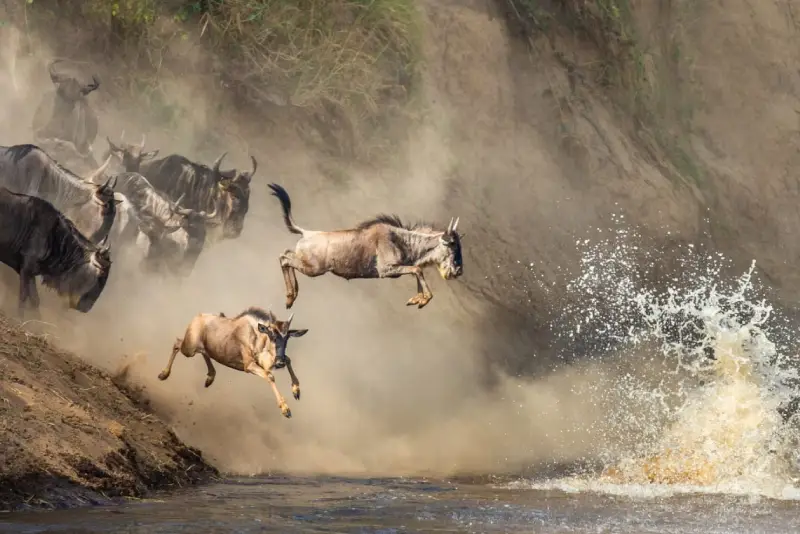
The Great Migration is one of the world’s most spectacular natural events and it happens right here in Africa.Every year,over 1.5 million wildebeest,accompanied by hundreds of thousands of zebras and gazelles make their way across the Serengeti and into Kenya’s Maasai Mara in search of fresh grazing grounds.The dramatic river crossings where wildebeest must brave crocodile-infested waters are among the most exciting and heart-pounding moments in nature.
Why it’s unforgettable: Witnessing the Great Migration is a bucket-list experience for nature lovers and photographers alike. The sheer scale and intensity of this annual migration are unlike anything else on Earth. - The Majestic Big Cats of the Maasai Mara
Africa is home to some of the world’s most iconic predators and the Maasai Mara National Reserve in Kenya is the perfect place to see them in action.From the mighty lion prides lounging on the savannah to elusive leopards and the agile cheetahs sprinting across the plains,the Maasai Mara offers an unparalleled opportunity to witness the Big Cats in their natural environment.The Mara’s abundance of wildlife and its unique topography make it a prime location for thrilling game drives.
Why it’s unforgettable: Seeing a lioness stalk her prey or a cheetah sprinting at full speed is a jaw-dropping spectacle.These moments connect you to the raw power and grace of Africa’s apex predators. - Elephant Herds in Botswana’s Okavango Delta
The Okavango Delta in Botswana is a world-renowned paradise for elephants.This lush,watery oasis in the heart of the Kalahari Desert is home to some of the largest elephant populations in Africa.The sight of entire herds of elephants playing,drinking and bathing in the Delta’s channels and lagoons is a heartwarming experience.The Okavango is a unique habitat where you can explore wildlife by both land and water, making it a truly immersive safari destination.
Why it’s unforgettable:Seeing elephants in their natural habitat, interacting as families and bathing in the waters of the Delta,provides an intimate glimpse into their complex social behavior.The Okavango Delta is one of the best places on Earth to experience these majestic creatures up close. - A Close Encounter with a Rhino in Zimbabwe’s Hwange National Park
Rhinos are among the most endangered species on the planet, and spotting one in the wild is a rare and exhilarating experience. Hwange National Park in Zimbabwe is one of the best places to see both black and white rhinos in Africa.Whether you’re on a guided safari or visiting one of the park’s waterholes the opportunity to encounter a rhino in its natural environment is truly special.
Why it’s unforgettable: The chance to witness these incredible creatures is a reminder of the importance of wildlife conservation efforts.Seeing a rhino up close is a rare privilege, and it’s a moment you won’t soon forget.
Ready for Your Own Unforgettable Wildlife Adventure?
Africa is full of extraordinary wildlife moments waiting to be discovered.Whether you’re trekking through the lush forests of Bwindi to see gorillas, witnessing the Great Migration in the Serengeti or enjoying an intimate game drive through Botswana’s Okavango Delta, LittleRock Safaris offers unforgettable adventures tailored to your dreams.
Let us guide you on your next wildlife journey.Contact LittleRock Safaris today to start planning the ultimate African adventure.Our expert guides and exclusive safari experiences will ensure you witness the very best that Africa has to offer.

images (72) 8
- Gorilla Trekking in Bwindi Impenetrable Forest,Uganda.
-

The Wonders of African Sunrise:Why morning is the best time to Safari.
Imagine waking up before the first light of day,the air cool and crisp,with the soft sounds of the African savannah slowly coming to life.As the first rays of sunlight pierce the horizon,you embark on an adventure unlike any other-an early morning safari,where the magic of Africa is revealed in its purest form.This is why mornings are the best time for safaris and why LittleRock Safaris takes pride in crafting unforgettable sunrise experiences for our guests.

safari erlebnisse kenia
The Serenade of Dawn:A Symphony of Nature
As the sun rises over the vast savannah,Africa comes to life in a beautiful,symphonic display.The air is quiet and the world feels serene.Birds begin their morning chorus,while the distant sound of hooves softly fills the air.At this hour the wildlife is active and abundant,making early mornings a prime time for sightings.
In the cool of dawn,animals like lions, giraffes,elephants and zebras are out in search of food and water,and the predatory big cats like leopards and cheetahs are on the hunt.The stillness of the morning allows you to witness nature at its most unspoiled,offering an intimate view of Africa’s wildlife before the busy heat of the day sets in.
A Balloon Safari at Sunrise: A Unique Perspective
One of the most awe-inspiring ways to experience an African sunrise is from the sky.LittleRock Safaris offers exclusive balloon safaris that take you high above the plains,where you can witness the sunrise over Africa’s most iconic landscapes.Floating peacefully as the sun casts a golden glow over the savannah,you’ll see herds of wildlife below,moving gracefully through the early morning mist.The birds’-eye view you get from the balloon is unparalleled-an experience that’s hard to match on a typical ground-level safari.
As you gently ascend into the sky, you’re able to witness Africa’s wildlife in action,from elephants grazing on the open plains to the graceful strides of giraffes.The serenity of the morning, combined with the thrill of floating above the wilderness,makes this experience a must-do for safari lovers.
Why Mornings are the Best Time for Safaris
Optimal Wildlife Sightings
Early mornings are when wildlife is most active.During the cooler temperatures, predators are more likely to hunt,while herbivores graze on the fresh grass, providing you with the perfect opportunity to witness these magnificent creatures in their natural habitat.
Magical Lighting for Photography
The golden hour-ust before the sun fully rises,offers the most beautiful lighting for photography.With soft, warm light bathing the landscape,your photos will capture Africa in all its glory, from the sprawling plains to the wildlife in motion.
Serenity and Peace
There’s something profoundly peaceful about an early morning safari.The savannah is quiet and the air is fresh. Without the hustle and bustle of the midday sun,you can truly connect with nature.The calm of the morning is perfect for reflecting and appreciating the beauty of the world around you.
Beat the Heat
Temperatures on safari can soar as the day progresses making it harder to spot animals in the midday heat.The early morning temperatures are cooler, making it easier for both animals and guests to enjoy the experience.It’s the perfect time for a peaceful adventure before the day heats up.
Your Sunrise Adventure Awaits
At LittleRock Safaris,we believe that a morning safari is not just an activity but a celebration of Africa’s natural beauty. From the moment you wake up to the soft glow of dawn,you’ll be immersed in an experience like no other.Whether you’re on a hot air balloon ride soaring over the savannah or enjoying a private game drive with one of our expert guides,you’ll be able to experience Africa’s sunrise in its full glory.
Don’t miss the chance to see the wonders of Africa as they unfold with the first light of day.Book your sunrise safari experience today and let us guide you through a magical,unforgettable journey in one of the world’s most breathtaking locations.
Ready to Experience Africa at Sunrise?
Contact LittleRock Safaris today to plan your sunrise safari adventure.Whether you’re seeking the thrill of a balloon safari or a more traditional game drive, we’ll craft an unforgettable experience tailored to your needs. Let the beauty of Africa’s mornings transform your journey into a memory you’ll cherish fo -

SOLO WOMEN TRAVEL IN UGANDA:How to explore safely with Littlerock safaris
Solo travel is one of the most empowering ways to experience the world,and Uganda is increasingly becoming a top destination for independent female travelers.From thrilling wildlife encounters in Queen Elizabeth National Park to cultural experiences in Kampala,Uganda offers unforgettable adventures but like any destination,smart planning is key.
At Little Rock Safaris,we specialize in creating safe,well-guided and comfortable travel experiences for solo women exploring Uganda and East Africa.
WhatsApp Image 2026 04 18 at 12.29.02 AM
Is Uganda Safe for Solo Female Travelers?
Yes—Uganda is widely considered one of the safer destinations in East Africa for tourists,including solo women. Ugandans are generally warm, welcoming,and respectful to visitors. However,safety depends on preparation,awareness and choosing the right travel support.
That’s where a trusted operator like Little Rock Safaris makes a difference.
Why Travel with Little Rock Safaris as a Solo Woman?
Traveling solo doesn’t mean traveling alone when you book with a professional safari company.
With Little Rock Safaris,you benefit from:
Experienced,professional local guides
Pre-arranged,vetted accommodations
Safe and reliable transportation
24/7 on-ground support
Custom itineraries designed for comfort and security
Whether you’re exploring national parks or cultural sites,every detail is planned with your safety and experience in mind.
Best Safe Experiences for Solo Women in Uganda- Wildlife Safaris in National Parks
Uganda’s national parks offer safe, guided experiences ideal for solo travelers.
In Murchison Falls National Park, you can enjoy game drives,boat cruises along the Nile and breathtaking scenery all with trained guides.
Similarly,Bwindi Impenetrable National Park offers gorilla trekking experiences conducted in strictly controlled groups with armed rangers and expert trackers. - Cultural Tours and Community Visits
Cultural experiences are a safe and enriching way to connect with Uganda’s heritage.In Kampala and surrounding regions,solo women can visit craft markets,cultural centers and historical sites.
With Little Rock Safaris,all community visits are arranged with trusted local partners to ensure respectful and secure interactions. - Lake and Nature Experiences
Uganda’s lakes and nature reserves offer peaceful,low-risk travel experiences.Boat cruises, birdwatching and guided nature walks provide relaxing alternatives to adventure safaris.
Solo Female Travel Safety Tips in Uganda
While Uganda is welcoming,it’s important to follow basic travel safety practices: - Always Travel with a Guide or Trusted Operator
Avoid exploring remote areas alone.A licensed safari guide ensures both safety and smooth navigation. - Dress Modestly and Respect Local Culture
Uganda is generally conservative, especially outside urban areas. Dressing modestly helps you blend in and feel comfortable. - Avoid Walking Alone at Night
Stick to arranged transport or lodge services after dark. - Keep Valuables Secure
Use hotel safes and carry only essentials during excursions. - Stay Connected
Keep your phone charged and maintain communication with your tour operator.
Recommended Destinations for Solo Women Travelers
Queen Elizabeth National Park – Big game viewing and boat safaris
Murchison Falls National Park – Scenic landscapes and wildlife
Bwindi Impenetrable National Park – Gorilla trekking adventures,Kibale forest nationalnpark for chimpanzee trekking
Kampala-Culture,food,nightlife, and history
Why Uganda is Perfect for Solo Women Travelers
Uganda offers a rare balance of adventure,safety and cultural warmth. It is:
Welcoming to international visitors
Rich in wildlife and natural beauty
Culturally diverse and engaging
Best experienced with guided travel support
With the right planning,solo travel in Uganda becomes not just safe—but deeply rewarding.
Travel with Confidence with Little Rock Safaris
At Little Rock Safaris,we understand the unique needs of solo women travelers.Our goal is to ensure you explore Uganda confidently,comfortably and safely—without missing any of its magic.
From airport pickup to your final safari experience,we handle everything so you can focus on the journey.
Solo female travel in Uganda is more than possible-it is powerful, enriching and unforgettable.With proper guidance and support,you can explore Uganda’s wildlife, culture and landscapes with complete peace of mind.
With Little Rock Safaris,you are never truly alone-ou are simply free to explore.
- Wildlife Safaris in National Parks
-

BEYOND THE SAFARIS:UGANDA’S RICH CULTURAL HERITAGE. By Littlerock Safaris
When travelers think of Uganda,the spotlight often falls on iconic wildlife encounters in places like Queen Elizabeth National Park,Murchison falls national park,Kibaale forest national park and Bwindi Impenetrable National Park.But beyond the safaris lies a deeper more immersive experience-Uganda’s rich cultural heritage.
images (62)
At Little Rock Safaris,we believe that to truly understand Uganda,you must go beyond the wildlife and step into the traditions,communities,and stories that define the nation.
Discovering Uganda’s Cultural Diversity
Uganda is one of Africa’s most culturally diverse countries,home to about 54 ethnic groups.Each community offers unique traditions,languages and customs that shape the country’s identity.
Central to this heritage is the Buganda Kingdom,a historic and influential kingdom rooted in Kampala.Visitors can explore royal heritage sites,learn about traditional leadership systems, and witness cultural practices that have been preserved for generations.
Other kingdoms, such as the Tooro Kingdom and Bunyoro Kingdom,further enrich Uganda’s cultural landscape, offering insight into ancient governance,rituals and identity.
Music, Dance and Storytelling Traditions
Ugandan culture comes alive through music, dance, and storytelling.These are not just performances they are living expressions of history and community.
Traditional dances like the Baakisimba and Runyege showcase rhythm, celebration and storytelling through movement,while instruments such as drums and harps create powerful, immersive experiences.Across the country,oral storytelling continues to pass down values,beliefs and history from one generation to the next.
For travelers seeking authentic cultural experiences in Uganda,these performances provide unforgettable moments of connection.
Ugandan Food Culture:A Taste of Tradition
Food is at the heart of Ugandan culture. Local dishes such as matooke, groundnut sauce,millet bread,milk and fresh fish reflect both tradition and community life.
In cities like Kampala,visitors can enjoy a blend of traditional and modern cuisine,making it an ideal destination for exploring Ugandan food culture for example at Ndere cultural centre and Ewaffe.
Sharing meals is an important social activity,offering travelers a chance to connect with locals and experience true Ugandan hospitality.
Cultural Landmarks and Heritage Sites
Uganda’s cultural heritage is also preserved in its historical landmarks. The Kasubi Tombs,a UNESCO World Heritage Site,stand as a powerful symbol of the Buganda Kingdom and its royal lineage.
Visiting such sites provides a deeper understanding of Uganda’s history and its enduring cultural traditions,making them essential stops for anyone interested in cultural tourism in Uganda.
Community-Based Cultural Experiences
At Little Rock Safaris,we emphasize meaningful travel through community-based tourism in Uganda.Visitors can engage directly with local communities participating in traditional cooking, craft-making,farming and storytelling.
These experiences not only create lasting memories but also support local livelihoods and help preserve cultural traditions.
Why Cultural Tourism in Uganda Matters
Cultural tourism is becoming an essential part of the travel experience in Uganda.It complements wildlife safaris while promoting sustainability and community empowerment.
By exploring Uganda’s cultural heritage, travelers gain a richer,more complete understanding of the country—beyond what any safari alone can offer.
Explore Uganda Beyond the Safari
Uganda is more than a destination for wildlife-it is a cultural treasure waiting to be discovered.From ancient kingdoms and vibrant traditions to warm communities and rich cuisine,the country offers experiences that go far beyond the ordinary.
At Little Rock Safaris,we invite you to explore Uganda in its fullest sense—where culture and adventure come together. -

WHAT TO PACK ON AN AFRICAN SAFARI:THE ULTIMATE GUIDE BY LITTLEROCKBSAFARIS
Planning an African safari is an exciting experience but packing for it can feel overwhelming if you don’t know where to start.Whether you’re heading to Queen Elizabeth National Park, Murchison Falls National Park or exploring the vast plains of Serengeti National Park,having the right gear can make the difference between a good trip and an unforgettable one.
- Lightweight,Neutral-Colored Clothing
Pack breathable fabrics like cotton and linen in colors such as khaki, beige,olive and brown.These help you blend into the environment and avoid attracting insects.
Avoid: Bright colors and dark blue/black (they attract tsetse flies). - Long-Sleeved Shirts & Trousers
Perfect for sun protection during the day and keeping insects away in the evening. - A Warm Jacket or Fleece
Early morning and evening game drives especially in parks like Bwindi Impenetrable National Park can get surprisingly cold. - Comfortable Footwear
Closed walking shoes or hiking boots
Lightweight sandals for relaxing at camp
Safari Gear You Shouldn’t Forget - Binoculars
A must-have for spotting distant wildlife and bird species. - Camera & Extra Batteries
You’ll want to capture everything—from lions on the hunt to elephants at sunset. - Daypack
A small backpack is perfect for carrying essentials during game drives or guided walks. - Reusable Water Bottle
Staying hydrated is critical in the African heat.
Health & Safety Essentials - Insect Repellent
Choose one with DEET or natural alternatives to protect against mosquitoes. - Sunscreen & Sunglasses
The African sun can be intense, even on cloudy days. - Personal First Aid Kit
Include basics like pain relievers, band-aids, and any prescription medication. - Hand Sanitizer & Wet Wipes
Useful during long drives and in remote areas.
Documents & Travel Essentials
Passport and visa documents
Travel insurance
Printed and digital copies of bookings
Vaccination certificates (if required)
Optional but Highly Recommended Items - Hat or Cap
Protects against the sun during long game drives. - Flashlight or Headlamp
Helpful at lodges and camps, especially in remote parks. - Power Bank
Electricity can be limited in some safari camps. - Notebook or Travel Journal
Perfect for documenting your safari experiences.
What NOT to Pack for a Safari
Heavy luggage (soft bags are preferred over hard suitcases)
Bright or flashy clothing
Excess valuables
Strong perfumes (they can attract insects or disturb wildlife)
Pro Packing Tips from Little Rock Safaris
Layer your clothing to adapt to changing temperatures
Pack light—most lodges offer laundry services
Use packing cubes to stay organized
Check luggage limits for domestic flights within Africa
Final Thoughts
An African safari is not just a trip,it’s a once-in-a-lifetime adventure.Packing the right items ensures you stay comfortable, safe,l and fully immersed in the experience.
At Little Rock Safaris,we’re here to guide you every step of the way- from planning your itinerary to making sure you’re perfectly prepared for the journey.
So as you get ready to explore the wild beauty of Uganda and Africa, remember: pack smart,travel light, and prepare for unforgettable moments.

At Little Rock Safaris,we’ve guided countless travelers across Africa and we know exactly what you need and what you don’t.
Why Packing Right for an African Safari Matters
Safari environments are unique.You’ll experience early morning game drives, hot afternoons,dusty roads and cooler evenings all in a single day.Packing smart ensures comfort, safety, and the best possible wildlife viewing experience.
Essential Clothing for an African Safari
When it comes to safari clothing, think comfort, practicality, and neutral colors. - Lightweight,Neutral-Colored Clothing
-

NOCTURISM IN UGANDA AND AFRICA:
Experience the Wild After Dark
Discover a Different Side of Africa.When the sun dips below the horizon,Uganda and the rest of Africa awaken in ways most travelers never witness.This is the essence of nocturism an emerging travel trend that invites you to explore destinations after dark,revealing hidden wildlife,vibrant culture and unforgettable sensory experiences.
While daytime safaris and excursions remain iconic, nighttime offers something deeper, quieter, and far more intimate.In Uganda,often called the “Pearl of Africa,”the night unveils a secret world waiting to be explored.
Night Safaris in Uganda: Where the Wild Comes Alive
One of the most compelling nocturism experiences is the night safari.In Queen Elizabeth National Park, darkness signals the start of nature’s most dramatic performances.Lions become active hunters,leopards move silently through the savannah and hyenas roam in search of prey. With the help of expert guides and spotlights, visitors can safely observe these elusive animals in their natural nighttime behavior.
In Murchison Falls National Park,the experience is equally captivating. Hippos emerge from the Nile to graze on land something rarely seen during the day while crocodiles patrol the riverbanks.Look closely and you may spot bush babies leaping through trees,their glowing eyes reflecting in the darkness.
For those who prefer a more immersive experience,guided night walks in Kibale National Park and Budongo Forest offer a chance to explore the forest on foot. Here,visitors encounter nocturnal primates such as pottos and galagos, alongside chameleons,tree frogs and a rich diversity of insects that form the backbone of the ecosystem.
Nocturnal Birds:Uganda’s Nighttime Soundtrack
Uganda is a world-renowned birding destination and nocturism adds a unique dimension to this experience.As night falls the air fills with the calls of owls and nightjars.
Listen for the deep,haunting hoot of the Verreaux’s eagle-owl or the softer calls of the African wood owl.Watch as nightjars glide effortlessly through the dusk,hunting insects with precision. Around wetlands like Lake Mburo National Park, herons and other waterbirds can often be seen feeding during twilight and early night hours.
Beyond Uganda: Africa’s Nocturnal Wonders
Nocturism extends far beyond Uganda, offering incredible experiences across the continent.In Kruger National Park, guided night drives reveal elusive species such as aardvarks,serval cats, and bat-eared foxes. Similarly, Serengeti National Park offers rare sightings of nocturnal predators and scavengers that remain hidden during the day.
These experiences highlight the diversity of Africa’s ecosystems and underscore the importance of exploring them beyond daylight hours.
Urban Nocturism:Culture,Cuisine and Nightlife
Nocturism is not limited to wildlife.In cities like Kampala,the night comes alive with energy and culture.From lively music scenes and night markets to local cuisine and social gatherings, urban nocturism provides an authentic glimpse into contemporary African life.
Travelers can enjoy everything from traditional dishes to modern fusion cuisine all while experiencing the rhythms and creativity that define the city after dark.
Why Nocturism is the Future of Travel in Africa
Nocturism is more than just a unique experience,it’s a sustainable approach to tourism.By extending activities into the night,destinations can reduce overcrowding during peak daytime hours,distribute economic benefits more evenly and create new opportunities for local communities.
It also encourages a more mindful way of traveling.At night,every sound, movement and sight feels amplified, creating a deeper connection between traveler and environment.
Plan Your Nocturism Experience in Uganda
Whether you’re seeking the thrill of a night safari,the serenity of a forest walk,or the vibrancy of city nightlife, Uganda offers a diverse range of nocturism experiences and Littlerock safaris plans the best options for these auntentic experiences.
For travelers looking to go beyond the ordinary,the message is simple:don’t end your adventure at sunset.
Final Thoughts
Africa does not sleep-it transforms.And in that transformation lies a world of discovery,wonder and connection.
Nocturism invites you to step into that world, to see what others miss and to experience Uganda and Africa in a way that is truly unforgettable. -

Best time to see the Great Wildebeest migration By Littlerock safaris
The Great Wildebeest Migration-often called the “Greatest Show on Earth”-is one of Africa’s most iconic wildlife experiences.Every year,millions of animals move in a continuous cycle across Tanzania and Kenya,creating unforgettable moments for safari travelers.

images (64)
If you’re planning your dream African safari with Littlerock Safaris,this guide breaks down the best time to see the wildebeest migration,where to go and what makes this natural wonder so extraordinary.
What Is the Great Wildebeest Migration?
The Great Wildebeest Migration is an annual movement of over 1.5 million wildebeest,accompanied by:
200,000+ zebras
300,000+ gazelles
These animals travel across the Serengeti–Mara ecosystem,driven by rainfall patterns and the search for fresh grass and water.
This migration never truly stops,it’s a year-round circular journey,filled with dramatic river crossings,predator encounters and breathtaking landscapes.
Best Time to See the Wildebeest Migration
Timing your safari is crucial.The “best time” depends on the experience you’re looking for.
January to March – Calving Season (Southern Serengeti)
This is one of the most fascinating periods of the migration.
What happens:
Around 500,000 calves are born within weeks
Predators like lions and cheetahs are highly active
The plains are lush and green
Best for: Wildlife photography, predator action, and baby animals
April to June – The Green Season & Herd Movement
The long rains begin, and the herds start moving north and west.
Highlights:
Fewer crowds and lower safari costs
Dramatic skies and beautiful scenery
Huge columns of migrating animals
Best for: Travelers seeking quieter, more intimate safaris
July to October – Mara River Crossings (Peak Season)
This is the most popular time and often considered the best time to see the migration.
What to expect:
Dramatic river crossings filled with tension
Crocodiles and predators waiting at crossing points
Massive herds in the Maasai Mara
Best for: First-time safari-goers and those wanting iconic wildlife moments
November to December – Return Journey (Short Rains)
The herds begin moving back into Tanzania.
Why visit:
Fewer tourists than peak months
Fresh landscapes after rains
Great opportunities for photography
Best for: Value travelers and repeat safari enthusiasts
Where to See the Wildebeest Migration
Understanding where the herds are during your travel dates is key.
Southern Serengeti (Tanzania): Best for calving (Jan–March)
Central & Western Serengeti: Best for movement (April–June)
Northern Serengeti & Maasai Mara (Kenya): Best for river crossings (July–October)
Littlerock Safaris helps you track the migration so you’re always in the right place at the right time.
Key Highlights of the Migration- Mara River Crossings
One of the most dramatic wildlife events in the world. Thousands of wildebeest plunge into crocodile-infested waters, creating intense and unforgettable scenes. - Predator-Prey Action
The migration attracts Africa’s top predators:
Lions
Leopards
Cheetahs
Hyenas
This makes it one of the best wildlife viewing opportunities globally. - Endless Plains of Wildlife
Seeing massive herds stretching to the horizon is a once-in-a-lifetime experience.
Interesting Facts About the Wildebeest Migration
It is the largest land animal migration on Earth
Wildebeest follow ancient instinctive routes
The journey covers over 1,800 miles (3,000 km) annually
Thousands of animals don’t survive—making it a raw display of nature
Tips for Planning Your Safari with Littlerock Safaris
Book early for peak season (July–October)
Choose flexible travel dates for better migration tracking
Pack essentials: Neutral clothing, sunscreen, binoculars, camera
Travel with experts: Littlerock Safaris offers tailored itineraries based on real-time wildlife movement
Why Choose Littlerock Safaris?
Littlerock Safaris is dedicated to creating personalized, authentic African safari experiences. Their local expertise ensures:
Strategic positioning for the best wildlife viewing
Experienced guides with deep knowledge of animal behavior
Seamless travel planning across Tanzania and Kenya
Final Thoughts
The Great Wildebeest Migration is not just a single event—it’s a continuous journey of survival, movement, and renewal. The best time to see it depends on your interests, whether it’s calving season, river crossings, or quieter scenic moments.
With Littlerock Safaris, you’ll experience the migration in a way that’s immersive, expertly guided, and truly unforgettable.
Start Planning Your Safari Today
Ready to witness the Great Migration up close? Contact Littlerock Safaris and let your African adventure begin.
info@littlerocksafariis.com
- Mara River Crossings
-

Golfing in Uganda:Experience the Entebbe Golf course with Littlerock safaris.
By Muhumuza Humphery Cliff
Uganda is widely known for its breathtaking wildlife,rich culture and unforgettable experiences but there’s another hidden gem that combines relaxation,sport and scenic beauty: golfing at the iconic Entebbe Golf Club.
20260120 172532.jpg 
20260120 172544.jpg 
20260120 173608.jpg
At Littlerock Safaris,we offer a unique opportunity to enjoy world-class golfing right on the shores of Africa’s largest fresh water lake and second largetst in the world next to Lake superior,Lake Victoria,blending leisure with adventure in one unforgettable experience.
MG 1360 
MG 1331
A Brief History of Entebbe Golf Club:
Established in 1901,Entebbe Golf Club is one of the oldest golf courses in East Africa.Originally built during the colonial era,it has grown into a prestigious course that attracts both local and international golfers.
Over the years,the course has maintained its classic design while evolving to meet modern golfing standards. Its long-standing heritage and well-preserved greens make it a must-visit destination for golf enthusiasts visiting Uganda.
Strategic Location:Golf by the Lake
One of the biggest advantages of Entebbe Golf Club is its prime location:
Just minutes from Entebbe International Airport
Set along the scenic shores of Lake Victoria
Easily accessible from Kampala
This makes it the perfect first or last stop for travelers coming into Uganda. Whether you want to unwind after a long flight or wrap up your trip with a relaxing round of golf,the location is incredibly convenient.
Why Golf at Entebbe Golf Course?
Stunning Natural Scenery
The course is surrounded by lush greenery, tropical trees, and lake views that create a peaceful and refreshing atmosphere.
Wildlife on the Course
It’s not uncommon to spot birds and small wildlife as you play, giving you a true Ugandan outdoor experience.
Challenging Yet Enjoyable
The course offers a balanced challenge for both beginners and experienced golfers, with well-maintained fairways and greens.
Golfing with Littlerock Safaris
At Littlerock Safaris,we go beyond traditional safari packages to create personalized experiences.Our golfing tours at Entebbe Golf Club include:
Transportation and logistics
Tee time arrangements
Professional guidance (on request)
Optional add-ons like fishing, city tours, and cultural experiences
We ensure your golfing experience is seamless,relaxing, and tailored to your preferences.
Combine Golf with Adventure
What makes Uganda truly special is the ability to combine different experiences in one trip.After your golfing session, you can explore:
Gorilla trekking adventures
Wildlife safaris in national parks
Cultural tours and local experiences
With Littlerock Safaris,your journey doesn’t stop at the golf course—it becomes a full Ugandan adventure.
Plan Your Golfing Experience Today
Whether you’re a passionate golfer or simply looking to try something new, golfing at Entebbe Golf Club offers a unique blend of sport,relaxation andnd natural beauty.
Let Littlerock Safaris help you craft the perfect itinerary where every swing comes with a view and every moment becomes a memory.
Ready to tee off in Uganda? Contact Littlerock Safaris today and experience golf like never before.info@littlerocksafaris.com
Call/whatssup +256772758055
-

Best Time to Visit Murchison Falls National Park
Murchison Falls National Park is open year-round, but the best time to visit depends on what you want to experience.
Dry Season (December–February & June–September)

These months offer excellent game viewing opportunities, as animals gather around water sources and vegetation is thinner, making wildlife easier to spot. The dry season is also ideal for boat cruises to the base of the falls, as the water levels are lower and visibility is clearer. Temperatures are warm, and rainfall is minimal, making road conditions better for game drives.
Wet Season (March–May & October–November)
The rainy months transform the park into a lush, green landscape, perfect for photography and birdwatching. Migratory birds arrive during this time, adding to the park’s already rich birdlife. While some roads can become muddy and challenging to navigate, the scenery is breathtaking, and the park is less crowded.
Year-Round Highlights
Regardless of when you visit, the main attractions—such as the thundering Murchison Falls, diverse wildlife, and river cruises along the Nile—remain spectacular. The timing simply shapes the type of experience you’ll have.
-

Lake Mburo National Park – A Compact Gem in Uganda’s Wild Heart
Lake Mburo National Park may be Uganda’s smallest savanna park, but it’s brimming with character, charm, and an impressive variety of wildlife. Located between Kampala and Bwindi, it makes for a perfect stopover or a short safari getaway. The park’s rolling hills, acacia woodlands, and open grassy valleys create a beautiful backdrop for exploration.
Wildlife and Activities
Lake Mburo is the best place in Uganda to see large herds of impala and Burchell’s zebra, as well as eland, topi, buffalo, and hippos along the lake shore. Birders are in for a treat too—over 350 species have been recorded here, including the rare African finfoot.
Game drives, boat cruises, guided walking safaris, and horseback rides offer different ways to experience the park’s landscapes. Without the presence of lions, Lake Mburo is one of the safest parks for walking safaris, allowing for close encounters with wildlife in a serene setting.
Scenic Boat Cruise

A highlight for many visitors is the boat trip on Lake Mburo. It’s a peaceful way to spot hippos, crocodiles, waterbirds, and even monitor lizards while gliding across the calm waters. The surrounding hills make the scenery even more captivating.
A Year-Round Destination
Thanks to its location in Uganda’s cattle country, Lake Mburo enjoys a warm climate year-round. Whether you visit during the lush green season or the dry months when animals gather near the water, the Lake Mburo National Park offers rewarding sightings and stunning views.
-

2025 Uganda Safari Guide: Best Parks, Seasons & Travel Tips
Uganda is a country where dramatic landscapes meet incredible wildlife encounters. From Gorilla trekking in misty rainforests to game drives on golden savannahs, each safari day brings a new story. In 2025, Uganda Safari is set to offer even more exceptional safari experiences, with improved tourism infrastructure, more community-led projects, and a growing focus on eco-friendly travel. This guide covers the best parks to visit, the ideal time to travel, and essential tips to make your safari unforgettable.
Best National Parks for a 2025 Uganda Safari

Bwindi Impenetrable Forest National Park
Home to nearly half of the world’s mountain gorillas, Bwindi is the crown jewel of Uganda’s Safari Destinations. Trekking through its thick rainforest to spend time with a gorilla family is one of the most powerful wildlife experiences you can have. The park also offers excellent birdwatching and scenic forest hikes.
Queen Elizabeth National Park
This park is famed for its diverse wildlife and beautiful scenery. Its Kasenyi Plains are perfect for spotting lions, elephants, and antelope, while the Ishasha sector is known for its rare tree-climbing lions. A boat cruise along the Kazinga Channel reveals hippos, crocodiles, and a wide array of birdlife.
Murchison Falls National Park
Named after the world’s most powerful waterfall, Murchison Falls National Park offers classic game drives, boat safaris, and stunning landscapes. The dramatic sight of the Nile River forcing its way through a narrow gorge is a highlight of any visit.
Kidepo Valley National Park
Remote and rugged, Kidepo is a hidden gem for adventurous travelers. Vast plains, sweeping mountain backdrops, and unique species like cheetahs and ostriches make it one of Africa’s most breathtaking wilderness areas.
Kibale National Park
Known as the primate capital of East Africa, Kibale is the best place to track wild chimpanzees. Its lush forests are home to over 13 primate species, plus excellent hiking and birding opportunities.
Best Time to Visit Uganda in 2025

The dry seasons from December to February and June to September are the most popular times for safaris. Trails are easier to navigate, wildlife is concentrated near water sources, and skies are clear for photography. The green season—March to May and October to November—offers lush scenery, fewer visitors, and excellent birding, but expect occasional heavy rains.
Top Travel Tips for a Smooth 2025 Uganda Safari
Book gorilla trekking permits well in advance, as they are limited and in high demand. Choose a safari operator that understands your interests, whether that’s big game, primates, birding, or cultural experiences. Pack lightweight, neutral-colored clothing, sturdy walking shoes, and a rain jacket, as Uganda’s weather can be unpredictable. Don’t forget binoculars for wildlife viewing and a good camera to capture the moments. Consider adding internal flights if you want to maximize time in the parks and minimize long road journeys.
Making the Most of Your Uganda Safari
Mixing different landscapes and activities will give you a fuller sense of Uganda’s diversity. Combine gorilla trekking in Bwindi with a wildlife-rich savannah safari in Queen Elizabeth or Murchison Falls. Add a cultural visit to the Batwa or Karamojong communities, or a birding excursion to Mabamba Swamp. Each element adds a new dimension to your adventure.
Whether it’s your first safari or your tenth, the Uganda Safari in 2025 offers unmatched variety and depth. The country’s national parks, seasonal beauty, and warm hospitality create a journey that stays with you long after you return home. Start planning now to secure permits, accommodations, and the best guides for an unforgettable trip to the Pearl of Africa.
-

Gorilla Trekking & Beyond: Planning Your Ultimate Uganda Safari in 2026
Uganda, often called the Pearl of Africa, is best known for its extraordinary gorilla trekking adventures in Bwindi Impenetrable Forest and Mgahinga Gorilla National Park. But in 2026, your safari can be much more than meeting mountain gorillas. From tracking wild chimpanzees in lush rainforests to cruising the Nile in search of hippos, and from exploring remote savannahs to immersing yourself in vibrant cultures, Uganda Safari offers a safari experience that is rich, diverse, and unforgettable. Planning ahead ensures you combine the highlights with lesser-known treasures for a truly ultimate adventure.
Gorilla Trekking – The Heart of Any Uganda Safari

No Uganda safari is complete without a gorilla trekking expedition. Bwindi Impenetrable Forest National Park is home to nearly half of the world’s remaining mountain gorillas, and trekking through its misty trails to encounter a gorilla family is an experience like no other. Mgahinga Gorilla National Park, smaller but equally captivating, offers a quieter trek and the chance to also spot golden monkeys and hike volcanic peaks. Securing gorilla permits early is essential, as they are limited and highly sought after for the 2026 season.
Wildlife Beyond Gorillas – Big Game, Chimps & Birds
Uganda’s safari magic extends well beyond the gorilla forests. Kibale National Park, known as the primate capital of East Africa, offers thrilling chimpanzee tracking experiences. Queen Elizabeth National Park showcases diverse wildlife, including tree-climbing lions, elephants, buffalo, and abundant birdlife along the Kazinga Channel. Murchison Falls National Park provides both dramatic landscapes and big game viewing, with the Nile River crashing through a narrow gorge before spilling into a vast basin. Birdwatchers will find paradise in Mabamba Swamp and Semuliki National Park, home to rare and fascinating species.
Immersive Cultural Encounters
A complete Uganda safari should include moments to connect with local cultures. Visiting the Batwa pygmies near Bwindi offers insight into one of Africa’s oldest indigenous communities. In the northeast, the Karamojong people share their rich pastoral traditions and vibrant dances. Cultural tours not only enhance your experience but also directly support community livelihoods, making your trip more meaningful and sustainable.
Adventure Activities to Enrich Your Safari

Beyond traditional game drives and treks, Uganda offers an array of adventures to elevate your safari. White-water rafting on the Nile in Jinja delivers adrenaline-packed thrills. Hiking Mount Elgon reveals stunning calderas and waterfalls. A hot air balloon safari over Queen Elizabeth or Murchison Falls provides a breathtaking aerial view of the wilderness. Each of these experiences adds a unique layer to your 2026 journey.
Best Time to Visit Uganda in 2026
For gorilla trekking and game viewing, the dry seasons from June to September and December to February offer the best conditions. Trails are less muddy, wildlife is easier to spot, and skies are clearer for photography. The wetter months—March to May and October to November—are excellent for birdwatching, with migratory species and lush landscapes, though travel logistics may require more flexibility.
Planning Tips for the Ultimate 2026 Uganda Safari
Start by confirming your travel dates and securing your gorilla trekking permits early, as they sell out quickly. Work with a trusted safari operator who can create a balanced itinerary that includes both iconic parks and hidden gems. Pack light but smart, with essentials like sturdy hiking boots, neutral-colored clothing, a rain jacket, sunscreen, and insect repellent. Consider adding internal flights to reduce long driving times between distant parks.
More Than a Safari – A Journey of a Lifetime
A Uganda safari in 2026 can be as diverse and adventurous as you want it to be. Combining gorilla trekking with wildlife encounters, cultural exchanges, and thrilling activities ensures a travel experience that stays with you forever. The Pearl of Africa awaits with open arms, ready to share its wild beauty, warm hospitality, and unforgettable adventures.
-

Uganda Safari 2025: Discover the Pearl of Africa’s Hidden Gems
Uganda, famously known as the Pearl of Africa, is a safari destination where pristine wilderness, rare wildlife, and authentic cultural encounters blend seamlessly. In 2025, Uganda promises more than just the iconic gorilla trekking—Uganda Safari offers hidden gems for travelers seeking unique and unforgettable African Safari Experiences. Whether you’re chasing tree-climbing lions in Queen Elizabeth National Park, navigating the wild Nile at Murchison Falls, or exploring remote Kidepo Valley, this is your year to see Uganda at its best.
Top Hidden Safari Gems to Discover in Uganda
Mgahinga Gorilla National Park – The Overlooked Gorilla Haven
While Bwindi is famous worldwide for gorilla trekking, Mgahinga Gorilla National Park offers a quieter, more intimate encounter with the endangered mountain gorilla. Nestled in the Virunga Volcanoes, this park also delights with golden monkey tracking, volcanic hiking, and sweeping views of Uganda, Rwanda, and the DRC.
Kidepo Valley National Park – Uganda’s Remote Wilderness
Voted one of Africa’s most scenic parks, Kidepo Valley is a dream for travelers wanting off-the-beaten-path Uganda safaris. Its rugged savannahs are home to cheetahs, ostriches, and massive buffalo herds—wildlife rarely seen elsewhere in Uganda.
Semuliki National Park – The Birdwatcher’s Paradise
Semuliki is a tropical lowland rainforest that feels more Central African than East African. With over 440 bird species, hot springs, and unique forest mammals, it’s an underrated Uganda safari destination perfect for birding tours.
Must-Do Activities for Your Uganda Safari

One of the highlights of any Uganda safari is gorilla trekking in Bwindi Impenetrable Forest or Mgahinga Gorilla National Park. Meeting the gentle giants of the forest face-to-face is a rare and life-changing experience.
Chimpanzee tracking in Kibale Forest is another must, with the park home to over 1,500 chimpanzees and 13 primate species, making it the primate capital of East Africa.
For big game enthusiasts, classic Big Five game drives in Murchison Falls National Park and Queen Elizabeth National Park provide opportunities to spot lions, elephants, leopards, buffaloes, and rhinos, along with an array of other wildlife.
A Nile River launch cruise is perfect for relaxing while spotting hippos, crocodiles, and hundreds of bird species along the riverbanks.
To round off the adventure, cultural encounters with the Batwa in the southwest and the Karamojong in the northeast offer authentic insights into Uganda’s traditional communities.
Best Time to Visit Uganda

The dry seasons from December to February and June to September are ideal for game drives, gorilla trekking, and wildlife photography, as animals gather around water sources and vegetation is less dense. The green season from March to May and October to November brings lush landscapes, fewer tourists, and excellent birding opportunities, making it a rewarding time for those seeking a quieter safari.
Planning Tips for a Successful Uganda Safari
It is important to book gorilla trekking permits well in advance, as they sell out months before the travel date. Choosing a knowledgeable Uganda Safari operator ensures your itinerary includes both the well-known parks and Uganda’s hidden gems. Packing wisely with lightweight clothing, sturdy hiking boots, a waterproof jacket, and insect repellent will make your journey more comfortable. For those wanting to cover long distances between parks quickly, domestic flights are a convenient option that saves valuable time.
Your Uganda Safari Awaits
From the misty volcanoes of Mgahinga to the untamed plains of Kidepo, Uganda’s hidden safari gems offer raw beauty and authentic adventure. Whether you’re a wildlife photographer, birder, or cultural traveler, 2025 is the perfect year to discover the Pearl of Africa.
-
Wanale Hill

Wanale Hill, also known as Wanale Ridge, is a significant natural landmark near Mbale, Uganda, deeply rooted in the history and culture of the Bagisu (or Bamasaaba) people. It’s named after Wanale, a son of Masaba, the founding father of the Bagisu. The hill is known for its cultural significance, stunning waterfalls, and impressive caves, including the Khaukha cave.
Wanale Hills, located near Mbale city in Uganda, are a stunning natural landmark known for their scenic beauty and cultural significance. They rise dramatically from the surrounding plains, providing breathtaking views of the city and the surrounding landscape.
Standing at a height of 6,864 ft., Wanale can be viewed from all areas in Mbale and the neighbouring districts. Explore the Wanale Falls and Gorge. Wanale Hike is a beautiful hike located in Mbale with a height of 2090 Meters.
Legend of Nabarwa: Wanale Hill is also associated with the legend of Nabarwa, a Kalenjin woman who supposedly demanded Mashaba’s circumcision before agreeing to marry him, leading to the Bagisu’s circumcision tradition. Nkokonjeru: – The ridge was also previously known as Nkokonjeru, stemming from a belief that Wanale reared only white chickens. Some people, particularly those associated with Semei Kakungulu, referred to the mountain as Nkokonjeru, due to the belief that Wanale reared only white chickens.
Features and Attractions:
Hiking and Adventure;
Wanale Hills are popular among hikers and outdoor enthusiasts. There are various trails that allow visitors to explore the lush greenery and experience the diverse flora and fauna.
Waterfalls;
The hills are home to several beautiful waterfalls, which are a significant attraction for both tourists and locals. The sound of the cascading water adds to the serene atmosphere.
Cultural Significance;
The hills hold cultural importance for the local Bagisu community, who often conduct rituals and ceremonies in this picturesque setting.
Biodiversity;
The region is rich in biodiversity, with various species of birds and endemic plants, making it a great spot for nature lovers and birdwatchers.
Accessibility;
Wanale Hills are easily accessible from Mbale city, making them an ideal day trip for visitors and residents looking to enjoy nature and outdoor activities.
Activities;
Visitors to Wanale Hills can engage in various activities, including: – Hiking and Nature Walks, explore numerous trails that vary in difficulty and length.
Photography;
Capture the stunning landscapes, wildlife, and cultural festivities. – Cultural Tours;
Learn about the local customs and traditions of the Bagisu community.


In summary, Wanale Hills offer a perfect blend of adventure, natural beauty, and cultural experiences, making them a must-visit destination for anyone in the Mbale area. Wanale Hill is a significant tourist attraction, drawing visitors for its natural beauty, cultural significance, and hiking opportunities.
With Little Rock Safaris, hike the hills of Wanale and view of the amazing neighbouring physical features and towns like Mbale city
Little Rock Safaris Uganda
UK-Mall Room 02, Level 02
Kansanga-Kampala Uganda
Tel: +256-772758055
E-mail: info@littlerocksafaris.com
www.littlerocksafaris.com
-

Why a Safari is the Perfect Family Vacation
A safari isn’t just a trip—it’s one of those rare experiences that genuinely works for all ages at once. If you’re weighing family vacation ideas, here’s why a safari stands out.
🐘 Why a Safari is Perfect for Families
🌍 1. It Turns Learning Into Real Life
Kids don’t just read about animals—they see them in the wild. Watching lions hunt or elephants interact teaches more than any classroom or documentary ever could. It brings subjects like ecology, geography, and conservation to life in a way that sticks.
👨👩👧👦 2. Built-In Family Bonding Time
Unlike busy city trips, safaris slow everything down. You spend hours together on game drives, sharing discoveries and moments—no distractions, just real connection.
🦁 3. Wildlife Encounters Feel Like an Adventure Story
Spotting the Big Five (lion, leopard, elephant, rhino, buffalo) turns every day into a treasure hunt. Places like Serengeti National Park and Ngorongoro Crater are especially exciting because animals are abundant and easier to spot.
🏕️ 4. Safe but Still Wild
Modern safari lodges strike a great balance:
- Comfortable beds, great food, even pools
- Professional guides who prioritize safety
- Structured activities designed for families
You get the thrill of the wild without sacrificing comfort.
📵 5. A Natural Digital Detox
Wi-Fi is limited in many safari areas—and that’s a good thing. Kids unplug and engage with nature, while adults get a real break from constant notifications.
🌅 6. Flexible for Different Ages
Safaris can be tailored:
- Shorter game drives for younger kids
- Educational bush walks for teens
- Relaxation time for parents
Good operators adjust the pace so no one feels overwhelmed.
🌿 7. Builds Appreciation for Nature & Conservation
Seeing wildlife in its natural habitat often inspires kids (and adults) to care more about the environment. It’s not abstract anymore—it’s personal.
🧭 8. Easy to Customize
A well-planned safari can mix:
- Wildlife viewing
- Cultural visits
- Relaxation time
Operators like Little Rock Safaris specialize in creating family-friendly itineraries, balancing adventure with downtime so everyone enjoys the trip.
✔️ Is It Right for Your Family?
A safari is especially great if your family:
- Enjoys nature and animals
- Is open to early mornings (best wildlife viewing time)
- Wants a meaningful, memorable experience—not just a typical vacation
✨ Final Thought
Few vacations create shared “wow” moments every single day. A safari does—whether it’s your child seeing a giraffe up close for the first time or the whole family watching a sunset over the savannah.
-

What to Pack for Your First Safari Adventure
Packing for your first safari is less about quantity and more about smart, practical choices. You want to stay comfortable, blend into the environment, and be ready for long days outdoors. Here’s a clear, field-tested guide.
🎒 Safari Packing Essentials
👕 Clothing (Neutral & Lightweight)
- Breathable shirts (long-sleeve preferred for sun + insects)
- T-shirts/tank tops for layering
- Lightweight trousers or safari pants
- A warm jacket or fleece (early mornings can be surprisingly cold)
- Shorts (for camp/lodge downtime)
- Neutral colors: khaki, olive, beige (avoid bright colors & black/blue—these attract insects)
👟 Footwear
- Comfortable walking shoes or hiking boots
- Sandals or flip-flops for relaxing at camp
- Good socks (for dust and long drives)
🧢 Sun & Weather Protection
- Wide-brim hat or cap
- Sunglasses (polarized if possible)
- High-SPF sunscreen
- Lip balm with SPF
- Light rain jacket (especially if traveling outside dry season)
🧴 Health & Personal Items
- Insect repellent (essential in areas with mosquitoes)
- Basic first-aid kit
- Prescription medications
- Hand sanitizer & wet wipes
- Reusable water bottle
📸 Safari Gear
- Camera or smartphone with good zoom
- Extra batteries / power bank
- Binoculars (huge upgrade for wildlife viewing)
- Memory cards / storage
- Small backpack for daily game drives
🧳 Travel Essentials
- Passport + copies
- Travel insurance documents
- Cash (USD is widely accepted in Tanzania)
- Lightweight duffel bag (many safari vehicles/flights prefer soft bags)
🌙 Optional but Useful
- Headlamp or flashlight
- Travel pillow
- Notebook/journal
- Swimsuit (many lodges have pools)
⚠️ What NOT to Pack
- Bright or neon clothing (disturbs wildlife)
- Camouflage (restricted in some African countries)
- Heavy luggage (space is limited in safari vehicles)
- Strong perfumes (can attract insects)
🧭 Pro Tips
- Laundry is often available at safari lodges—pack lighter than you think
- Dress in layers: mornings are cold, afternoons are hot
- Keep essentials in a daypack during game drives
If you’re planning to go with Little Rock Safaris, they can usually provide a pre-trip packing checklist tailored to your itinerary and season, which helps fine-tune this list even further.
-

Top 5 Safari Destinations in Tanzania
🐘 Top 5 Safari Destinations in Tanzania
1. Serengeti National Park
- Tanzania’s most iconic safari destination
- Famous for the Great Wildebeest Migration, often called “nature’s greatest show”
- Incredible year-round wildlife: lions, cheetahs, elephants, and more
- Best for: Big cats, photography, classic African safari
2. Ngorongoro Crater
- A UNESCO World Heritage Site and the world’s largest intact volcanic caldera
- Dense wildlife population—easy to spot the Big Five in one day
- Stunning landscapes with lakes, forests, and grasslands
- Best for: First-time safari travelers, compact wildlife viewing
3. Tarangire National Park
- Known for huge elephant herds and iconic baobab trees
- Excellent birdlife (500+ species)
- Less crowded than Serengeti
- Best for: Elephant sightings, quieter safari experience
4. Nyerere National Park
- One of Africa’s largest protected areas
- Offers boat safaris on the Rufiji River and walking safaris
- Home to wild dogs, crocodiles, and diverse ecosystems
- Best for: Off-the-beaten-path adventure
5. Ruaha National Park
- Known as Tanzania’s lion capital with a huge predator population
- Remote and less touristy
- Dramatic landscapes and raw wilderness
- Best for: Experienced safari travelers seeking exclusivity
🧭 Recommended Tour Operator
Little Rock Safaris
- Specializes in customized Tanzania safaris (Serengeti, Ngorongoro, Tarangire, etc.)
- Offers private guided tours, group safaris, and tailored itineraries
- Ideal for combining multiple parks into one seamless safari experience
🎥 What a Tanzania Safari Looks Like
Tanzania Safari Experience (Serengeti, Ngorongoro & Tarangire)
✔️ Quick Tips for Planning
- Best time: June–October (dry season, best wildlife viewing)
- Classic route: Northern Circuit (Serengeti + Ngorongoro + Tarangire)
- Add-on: Zanzibar beach holiday after safari (very popular combo) (Ngorongoro Crater Tanzania)
If you want, I can build you a full 5–7 day itinerary with Little Rock Safaris based on your budget (luxury, mid-range, or budget).