Best time to see the Great Wildebeest migration By Littlerock safaris
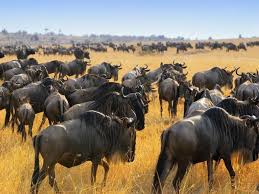
The Great Wildebeest Migration-often called the “Greatest Show on Earth”-is one of Africa’s most iconic wildlife experiences.Every year,millions of animals move in a continuous cycle across Tanzania and Kenya,creating unforgettable moments for safari travelers.
If you’re planning your dream African safari with Littlerock Safaris,this guide breaks down the best time to see the wildebeest migration,where to go and what makes this natural wonder so extraordinary.
What Is the Great Wildebeest Migration?
The Great Wildebeest Migration is an annual movement of over 1.5 million wildebeest,accompanied by:
200,000+ zebras
300,000+ gazelles
These animals travel across the Serengeti–Mara ecosystem,driven by rainfall patterns and the search for fresh grass and water.
This migration never truly stops,it’s a year-round circular journey,filled with dramatic river crossings,predator encounters and breathtaking landscapes.
Best Time to See the Wildebeest Migration
Timing your safari is crucial.The “best time” depends on the experience you’re looking for.
January to March – Calving Season (Southern Serengeti)
This is one of the most fascinating periods of the migration.
What happens:
Around 500,000 calves are born within weeks
Predators like lions and cheetahs are highly active
The plains are lush and green
Best for: Wildlife photography, predator action, and baby animals
April to June – The Green Season & Herd Movement
The long rains begin, and the herds start moving north and west.
Highlights:
Fewer crowds and lower safari costs
Dramatic skies and beautiful scenery
Huge columns of migrating animals
Best for: Travelers seeking quieter, more intimate safaris
July to October – Mara River Crossings (Peak Season)
This is the most popular time and often considered the best time to see the migration.
What to expect:
Dramatic river crossings filled with tension
Crocodiles and predators waiting at crossing points
Massive herds in the Maasai Mara
Best for: First-time safari-goers and those wanting iconic wildlife moments
November to December – Return Journey (Short Rains)
The herds begin moving back into Tanzania.
Why visit:
Fewer tourists than peak months
Fresh landscapes after rains
Great opportunities for photography
Best for: Value travelers and repeat safari enthusiasts
Where to See the Wildebeest Migration
Understanding where the herds are during your travel dates is key.
Southern Serengeti (Tanzania): Best for calving (Jan–March)
Central & Western Serengeti: Best for movement (April–June)
Northern Serengeti & Maasai Mara (Kenya): Best for river crossings (July–October)
Littlerock Safaris helps you track the migration so you’re always in the right place at the right time.
Key Highlights of the Migration
- Mara River Crossings
One of the most dramatic wildlife events in the world. Thousands of wildebeest plunge into crocodile-infested waters, creating intense and unforgettable scenes. - Predator-Prey Action
The migration attracts Africa’s top predators:
Lions
Leopards
Cheetahs
Hyenas
This makes it one of the best wildlife viewing opportunities globally. - Endless Plains of Wildlife
Seeing massive herds stretching to the horizon is a once-in-a-lifetime experience.
Interesting Facts About the Wildebeest Migration
It is the largest land animal migration on Earth
Wildebeest follow ancient instinctive routes
The journey covers over 1,800 miles (3,000 km) annually
Thousands of animals don’t survive—making it a raw display of nature
Tips for Planning Your Safari with Littlerock Safaris
Book early for peak season (July–October)
Choose flexible travel dates for better migration tracking
Pack essentials: Neutral clothing, sunscreen, binoculars, camera
Travel with experts: Littlerock Safaris offers tailored itineraries based on real-time wildlife movement
Why Choose Littlerock Safaris?
Littlerock Safaris is dedicated to creating personalized, authentic African safari experiences. Their local expertise ensures:
Strategic positioning for the best wildlife viewing
Experienced guides with deep knowledge of animal behavior
Seamless travel planning across Tanzania and Kenya
Final Thoughts
The Great Wildebeest Migration is not just a single event—it’s a continuous journey of survival, movement, and renewal. The best time to see it depends on your interests, whether it’s calving season, river crossings, or quieter scenic moments.
With Littlerock Safaris, you’ll experience the migration in a way that’s immersive, expertly guided, and truly unforgettable.
Start Planning Your Safari Today
Ready to witness the Great Migration up close? Contact Littlerock Safaris and let your African adventure begin.
info@littlerocksafariis.com