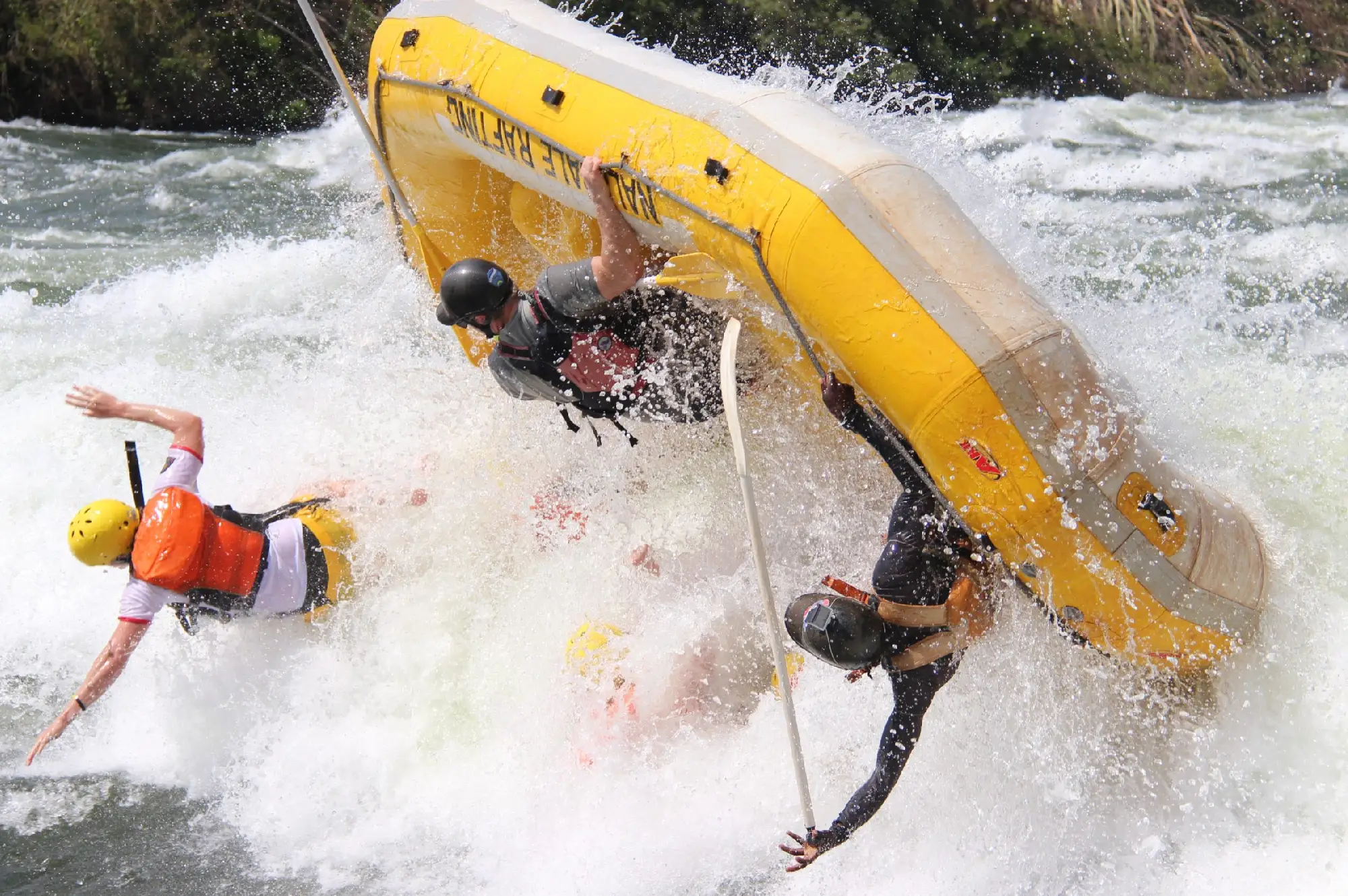
Category: Safari

  • Jinja Day Trip from Kampala: Itinerary, Cost & Things to Do

    Jinja Day Trip from Kampala: Itinerary, Cost & Things to Do

    Jinja Day Trip – Jinja is Located about 80 kilometres east of Kampala, Jinja sits beside the northern shores of Lake Victoria and is closely associated with the Source of the Nile, adventure activities and the historic character of the city.

    Introduction

    For travelers with only one free day, a private Jinja day tour can combine the Source of the Nile, a boat ride, Jinja town, local culture and optional adventure activities in one carefully planned itinerary.
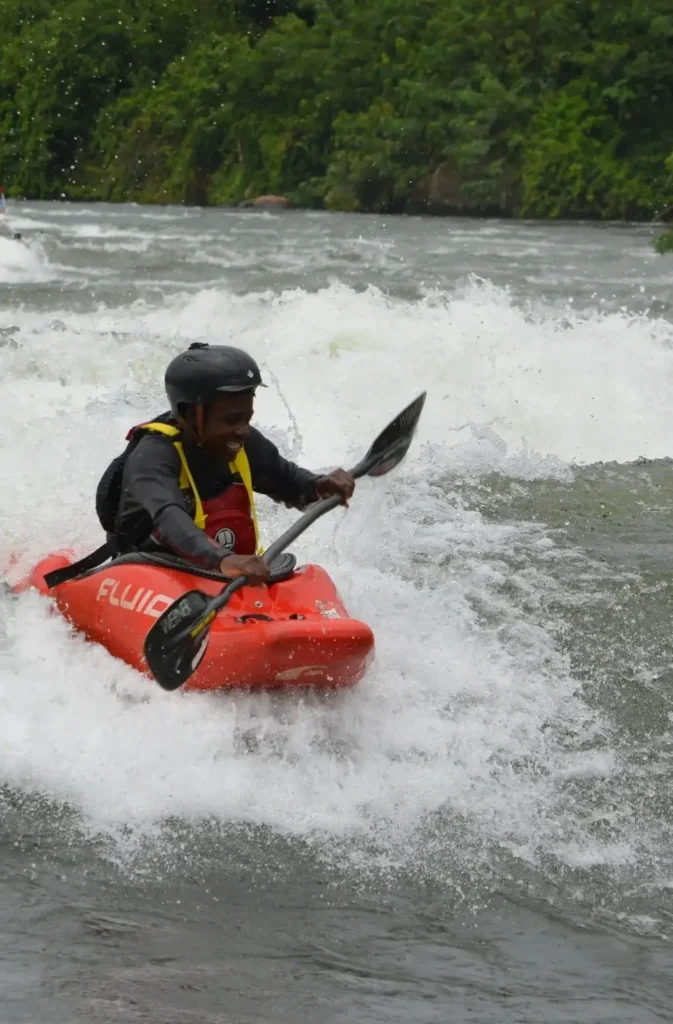
    jinja day trip- kayaking
    jinja 2 1

    Little Rock Safaris offers a dedicated 1-Day Jinja Tour from Kampala, including private transportation, a professional guide, the Source of the Nile, a boat ride and other sightseeing options. The itinerary can also be customized around your interests and available time.

    Can you do Jinja as a day trip from Kampala?

    Yes. Jinja can comfortably be visited as a day trip from Kampala if you start early and plan the day’s activities in advance.

    The road distance is approximately 80 kilometres, although the actual journey time depends heavily on traffic, departure time and road conditions. Current travel information places the normal journey at roughly 1.5–2.5 hours, with weekday peak traffic potentially making the journey considerably longer.

    For a full-day excursion, an early departure from Kampala is therefore important.

    A typical private day trip can follow this pattern:

    TimeActivity
    6:00–7:00 AMPick-up from Kampala or Entebbe
    7:00–9:30 AMDrive toward Jinja
    9:30–11:30 AMSource of the Nile and boat ride
    11:30 AM–1:00 PMJinja town/cultural sightseeing
    1:00–2:00 PMLunch
    2:00–4:00 PMOptional adventure or additional sightseeing
    4:00–4:30 PMBegin return journey
    EveningArrival in Kampala

    The exact schedule should remain flexible because Kampala traffic can affect both the outward and return journey.

    How far is Jinja from Kampala?

    Jinja is approximately 80 kilometres from Kampala by road along the Kampala–Jinja corridor.

    The journey normally passes through the eastern side of Kampala and the Mukono area before continuing toward Jinja. Traffic is one of the biggest factors affecting the total travel time.

    If you are traveling for a one-day Jinja tour, leaving Kampala early gives you more time at the destination and reduces the risk of losing several hours in morning congestion.

    For travelers staying in Entebbe, the itinerary can also be arranged around an Entebbe pick-up, although the total driving schedule should be discussed with your tour operator before booking.

    How long does it take from Kampala to Jinja?

    Under normal conditions, allow approximately 1.5 to 2.5 hours each way, but build additional time into your itinerary for traffic.

    This is particularly important on weekday mornings and during the evening return journey.

    For that reason, a well-planned Jinja day trip should not begin late in the morning. Starting around 6:00–7:00 AM gives you substantially more usable time in Jinja.

    What is the best time to leave Kampala for Jinja?

    For a day trip, an early morning departure is the practical choice.

    Leaving before the busiest morning traffic gives you a better chance of reaching Jinja early enough to enjoy the Source of the Nile and other activities without rushing.

    If your itinerary includes an activity with a fixed start time, such as rafting, tell your tour operator when booking so the departure from Kampala can be planned around it.

    What can you do on a Jinja day trip?

    Jinja is much more than a stop at the Source of the Nile. The city and surrounding area offer a combination of river experiences, adventure, history, nature and cultural activities.

    The best choice depends on how much time you have and whether you prefer a relaxed sightseeing day or an active adventure.

    1. Visit the Source of the Nile

    The Source of the Nile is the signature attraction for most first-time visitors to Jinja.
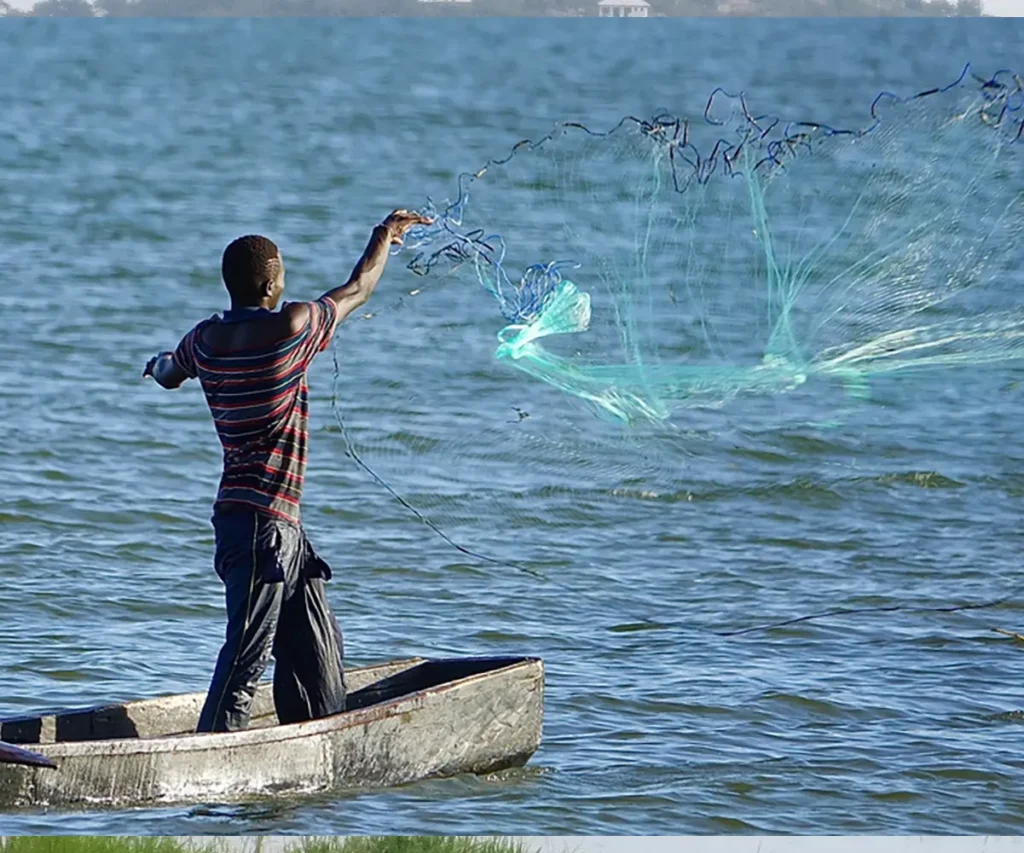
    Uganda Fishing Safari

    The Nile flows northward from Lake Victoria at Jinja, and the site has long been an important tourism landmark. Visitors can take a boat excursion around the source area and enjoy views of the water, surrounding vegetation and river environment.

    A boat ride is a particularly useful addition to a day trip because it allows you to experience the area from the water rather than simply visiting the viewpoint on land.

    For many visitors, this is the central experience around which the rest of the Jinja itinerary is built.

    2. Take a boat ride on the Nile

    A Source of the Nile boat ride provides a slower alternative to Jinja’s adrenaline activities.

    It is suitable for travelers who want photography, scenery and a relaxed experience rather than a full adventure activity.

    The boat excursion can also work well for families, couples and older travelers who may not be interested in white-water rafting or bungee jumping.

    3. Explore Jinja town

    Allow some time to explore Jinja itself rather than spending the entire day at the river.

    Jinja has a distinctive historic character, with older buildings, streets, markets, shops and local businesses providing a glimpse into the city’s development as an important commercial centre.

    A guided city tour gives you context that you would miss by simply driving through the town.

    4. Try white-water rafting

    For adventure travelers, white-water rafting on the Nile is one of Jinja’s major attractions.
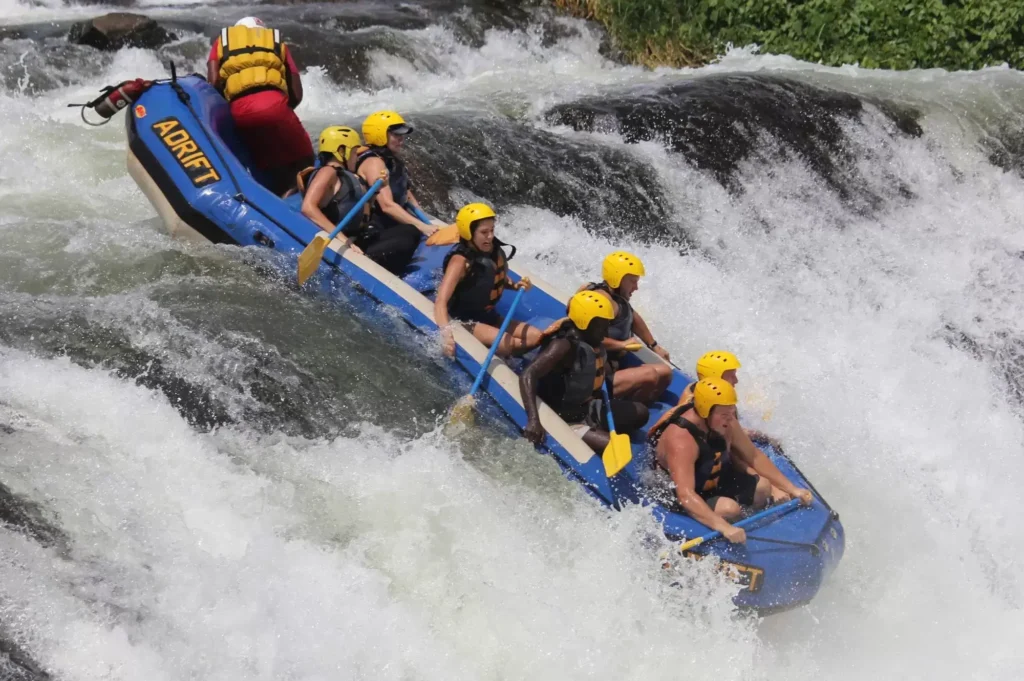
    2 days jinja tour and white water rafting uganda 4
    2 days jinja tour and white water rafting uganda 4

    Uganda Tourism Board identifies rafting, kayaking, bungee jumping, jet boating, horseback riding and quad biking among the activities associated with Jinja and the Nile.

    Rafting is a substantially different experience from a relaxed Source of the Nile boat trip, so it should be planned as a dedicated activity rather than added casually at the end of a sightseeing itinerary.

    If rafting is your priority, tell your safari operator before booking so that transportation and activity timing can be coordinated properly.

    5. Go horseback riding or quad biking

    Horseback riding and quad biking provide another way to explore the countryside around Jinja.

    These activities can be particularly appealing to travelers who want to experience the landscapes and rural communities around the Nile rather than spending the entire day in town.

    6. Visit waterfalls and surrounding attractions

    Depending on the itinerary, your Jinja day trip can include nearby natural attractions.

    The Jinja District Local Government identifies Itanda Falls and Bujagali among the area’s tourism attractions. Itanda Falls is associated with river scenery, birdwatching and outdoor experiences.

    Because these sites are spread across the wider Jinja area, combining too many attractions into one day can make the itinerary rushed. It is usually better to select two or three main experiences.

    What is the best Jinja day trip itinerary from Kampala?

    For first-time visitors, I recommend a Source of the Nile-focused itinerary rather than trying to fit every possible activity into one day.

    Suggested one-day Jinja itinerary

    6:00–7:00 AM — Pick-up in Kampala

    Meet your Little Rock Safaris driver-guide at your hotel, residence or agreed pick-up point.

    Morning — Drive to Jinja

    Travel east toward Jinja. Depending on your departure point and traffic, allow approximately 1.5–2.5 hours or longer when traffic is heavy.

    Late morning — Source of the Nile

    Arrive in Jinja and visit the Source of the Nile. Take a boat ride and enjoy time for photographs and sightseeing.

    Midday — Jinja town

    Continue into Jinja for a guided town experience, local markets or selected cultural and historical sights.

    Lunch — Local or riverside restaurant

    Enjoy lunch before continuing with the afternoon experience.

    Afternoon — Choose your experience

    Depending on your interests, choose one main activity such as:

    • Nile boat cruise
    • White-water rafting
    • Quad biking
    • Horseback riding
    • Kayaking
    • Cultural sightseeing
    • Waterfall visit

    Late afternoon — Return to Kampala

    Begin the journey back to Kampala with arrival expected in the evening.

    The advantage of a private itinerary is that it can be adjusted around your priorities instead of following a rigid group schedule.

    How much does a Jinja day trip from Kampala cost?

    There is no single fixed price for every Jinja day trip because the cost depends on the number of travelers, vehicle type, inclusions, activities and whether you choose optional adventure experiences.

    A private guided day trip normally has several cost components:

    Cost factorWhy it matters
    Private vehicleDetermines transport and comfort
    Driver-guideProvides transport, guidance and local knowledge
    FuelDepends on the route and vehicle
    Source of the NileEntrance/activity fees may apply
    Boat rideDepends on the selected experience
    LunchMay be included or paid separately
    Adventure activitiesRafting, quad biking and similar activities cost extra
    Pick-up locationKampala and Entebbe may require different logistics
    Group sizePer-person cost usually changes with group size

    Little Rock Safaris lists its 1-Day Jinja Tour on its Uganda Day Tours portfolio and can customize itineraries according to traveler interests.

    For an accurate quotation, provide your travel date, number of travelers, pick-up location and preferred activities.

    Is the Jinja day trip suitable for families?

    Yes, provided the itinerary is built around activities appropriate for the family.

    A relaxed Jinja itinerary can include:

    • Source of the Nile
    • Boat ride
    • Jinja town
    • Cultural experiences
    • Scenic stops
    • Selected nature attractions

    Families who want adventure can discuss age and safety requirements for activities such as rafting or other water-based experiences before booking.

    A private tour is particularly useful for families because the schedule can be adapted to children, meal requirements and rest periods.

    Is Jinja worth visiting for only one day?

    Yes, especially if your main goal is to experience the Source of the Nile and get a taste of Jinja.

    One day is enough for a focused introduction to the city.

    However, travelers interested in several adventure activities should consider staying overnight. A two-day itinerary allows more time for rafting, kayaking, cultural experiences and sightseeing without spending most of the trip traveling between Kampala and Jinja.

    Little Rock also offers a 2-Day Jinja Tour and White Water Rafting experience, making an overnight extension possible for travelers who want more time in the area.

    What should you pack for a Jinja day trip?

    For a standard sightseeing itinerary, keep your day-trip packing list simple:

    • Comfortable walking shoes
    • Lightweight clothing
    • Sun protection
    • Hat or cap
    • Sunglasses
    • Reusable water bottle
    • Camera or smartphone
    • Light rain jacket
    • Small day bag
    • Insect repellent
    • Some local currency for personal expenses

    If you are participating in rafting, kayaking, quad biking or another adventure activity, check the operator’s specific equipment requirements before departure.

    When is the best time for a Jinja day trip?

    Jinja can be visited throughout the year.

    The best timing depends on what you want to do.

    For sightseeing and the Source of the Nile, you can plan the trip around your broader Uganda itinerary. For outdoor activities, weather and river conditions can influence the experience, so confirm conditions with the activity operator before traveling.

    Uganda Tourism Board describes Jinja as a major destination for Nile-based adventure activities, including rafting, kayaking and other water experiences.

    Can you combine Jinja with other Uganda destinations?

    Yes. Jinja works particularly well at the beginning or end of a longer Uganda itinerary.

    For example:

    Kampala + Jinja

    A simple option for travelers arriving in Uganda with limited time.

    Jinja + Murchison Falls

    A longer itinerary combining the Nile at Jinja with wildlife and the Nile boat experience in Murchison Falls.

    Jinja + Sipi Falls

    A strong option for travelers interested in eastern Uganda, waterfalls, hiking and culture.

    Little Rock Safaris already lists multi-day itineraries combining Jinja with Sipi Falls, as well as broader Uganda safari programs.

    Why book a private Jinja day tour with Little Rock Safaris?

    A Jinja day trip is easy to arrange independently, but a private guided tour can simplify the logistics of fitting several experiences into one day.

    With Little Rock Safaris, the existing Jinja tour product includes round-trip transportation, a professional guide, the Source of the Nile, a boat ride and lunch, while optional activities can be arranged separately.

    Little Rock also states that its tours can be customized around travelers’ interests and travel style, which is useful when you want a Jinja itinerary built around a specific activity rather than a standard sightseeing route.

    Ready to plan your Jinja day trip?

    Tell Little Rock Safaris:

    • Your travel date
    • Number of travelers
    • Kampala or Entebbe pick-up location
    • Whether you want the Source of the Nile boat ride
    • Whether you prefer adventure or relaxed sightseeing
    • Any dietary or mobility requirements

    The team can then build a Jinja day-trip itinerary around your available time and interests.

    Request a customized Jinja day-trip itinerary with Little Rock Safaris

    Frequently Asked Questions About a Jinja Day Trip

    How far is Jinja from Kampala?

    Jinja is approximately 80 kilometres east of Kampala by road. The journey commonly takes around 1.5–2.5 hours under normal conditions, although traffic can make it longer.

    Can I visit Jinja from Kampala in one day?

    Yes. An early start allows you to visit the Source of the Nile, take a boat ride, explore Jinja town and add one main afternoon activity before returning to Kampala.

    What is Jinja famous for?

    Jinja is best known for its association with the Source of the Nile and its wide range of adventure activities, including rafting, kayaking, bungee jumping and other Nile-based experiences.

    How much is a Jinja day trip from Kampala?

    The cost depends on group size, transportation, guide services, activities, meals and entrance fees. A customized quotation is more accurate than using a single generic price.


    What is included in a Little Rock Jinja day tour?

    Little Rock’s existing 1-Day Jinja Tour lists transportation from Kampala, a professional guide, entrance fees for the Source of the Nile and Sezibwa Falls, a Nile boat ride and picnic lunch among its inclusions.

    Can I start the Jinja tour from Entebbe?

    Yes. Little Rock’s Jinja City & Adventure itinerary states that pick-up can be arranged from Kampala or Entebbe, subject to the itinerary and logistics.

    What can I do in Jinja besides visiting the Source of the Nile?

    Depending on your interests, options include white-water rafting, kayaking, bungee jumping, quad biking, horseback riding, boat cruises, cultural experiences and visits to attractions around Jinja.

    Is one day enough for Jinja?

    One day is enough for the Source of the Nile and a focused selection of Jinja experiences. If you want several adventure activities, staying overnight is more practical.

    Can Little Rock customize my Jinja tour?

    Yes. Little Rock specifically promotes customized tours and states that itineraries can be adapted to travelers’ interests, preferences and travel styles.

    Plan Your Jinja Day Trip from Kampala

    A Jinja day trip from Kampala is a practical way to add the Source of the Nile, adventure and eastern Uganda’s cultural landscape to a Uganda itinerary without committing to a long safari.

    For a first visit, prioritize the Source of the Nile and boat ride, add a guided Jinja town experience, and then choose one major afternoon activity based on your interests. Starting early is the key to making the most of your day.

    If you want a private vehicle, local guide and a flexible itinerary, Little Rock Safaris can customize the experience around your travel date, group size and preferred activities.

    Explore the Little Rock Safaris 1-Day Jinja Tour and request a customized itinerary for your trip.
  • Tanzania Wildlife Safaris: Discover the Wild Heart of Africa with Little Rock Safaris

    Tanzania Wildlife Safaris: Discover the Wild Heart of Africa with Little Rock Safaris

    yqXRQz850

    Are you dreaming of an unforgettable Tanzania wildlife safari where vast savannahs, elephants, lions, wildebeest and breathtaking landscapes come together? Tanzania offers some of Africa’s most remarkable wildlife destinations, making it an exceptional choice for travelers looking for an authentic African safari experience.

    With Little Rock Safaris, you can explore Tanzania through carefully planned safari journeys covering iconic destinations such as the Serengeti National Park, Ngorongoro Conservation Area and Tarangire National Park.

    Whether you are planning a Big Five safari in Tanzania, a luxury African holiday, a family safari, a honeymoon adventure or a tailor-made wildlife tour, Tanzania offers a remarkable range of experiences.

    Why Choose Tanzania for a Wildlife Safari?

    Tanzania is home to a remarkable network of national parks and protected areas. Tanzania National Parks Authority (TANAPA) lists 21 national parks, including Serengeti, Tarangire, Nyerere, Ruaha, Kilimanjaro and Lake Manyara.

    A Tanzania safari can combine wildlife viewing, spectacular landscapes, cultural experiences and comfortable accommodation into one memorable African adventure.

    Among the most popular destinations on the northern safari circuit are:

    • Serengeti National Park
    • Ngorongoro Conservation Area
    • Tarangire National Park
    • Lake Manyara National Park
    • Arusha National Park

    Serengeti Safari – Experience Tanzania’s Iconic Wildlife

    The Serengeti National Park is one of Tanzania’s best-known safari destinations and is internationally associated with the Great Migration and extensive wildlife experiences. TANAPA identifies Serengeti among Tanzania’s major national parks and highlights the park’s wildlife and migration experiences.

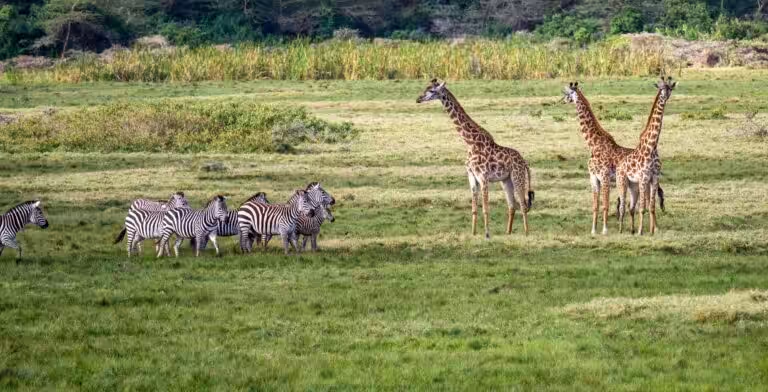
    A Serengeti safari gives travelers opportunities to explore open grasslands and search for wildlife including:

    • Lions
    • Leopards
    • Cheetahs
    • Elephants
    • Buffalo
    • Giraffes
    • Zebras
    • Wildebeest
    • Hyenas
    • Numerous bird species

    The exact wildlife experience varies according to location, season and animal movements, which is why itinerary planning is an important part of a Tanzania wildlife safari.

    Ngorongoro Safari – Explore the Crater

    A Ngorongoro safari can be combined with Serengeti and Tarangire to create a classic northern Tanzania safari itinerary.

    The Ngorongoro Conservation Area is renowned for its dramatic crater landscape and concentration of wildlife. Travelers can descend into the crater for a game-viewing experience surrounded by spectacular scenery.

    For visitors seeking a combination of wildlife, landscapes and cultural experiences, Ngorongoro can be an important part of a Tanzania safari itinerary.

    Tarangire Safari – The Land of Elephants and Baobabs

    Looking for an unforgettable Tarangire safari? Tarangire National Park is particularly well known for its elephant herds and distinctive baobab landscapes. TANAPA describes the park as a major wildlife destination and notes that animals gather around water sources during the dry season.

    Tarangire wildlife may include:

    • Elephants
    • Lions
    • Leopards
    • Buffalo
    • Zebras
    • Wildebeest
    • Giraffes
    • Antelopes
    • Birds and birds of prey

    The park also offers activities including game drives, guided walking experiences and photographic opportunities, subject to park regulations and availability.

    What Can You See on a Tanzania Wildlife Safari?

    One of the biggest attractions of a Tanzania wildlife safari is the variety of animals and landscapes that can be encountered during game drives.

    Depending on your itinerary and travel season, you may have opportunities to see the famous African Big Five:

    1. Lion
    2. Leopard
    3. Elephant
    4. Buffalo
    5. Rhinoceros

    You may also encounter giraffes, zebras, wildebeest, hippos, hyenas, antelopes, monkeys and a wide variety of bird species.

    Wildlife sightings are never guaranteed because animals move freely through their natural habitats. Experienced safari guides can, however, help travelers understand animal behavior and locate wildlife while following park rules and safety guidelines.

    The Great Migration in Tanzania

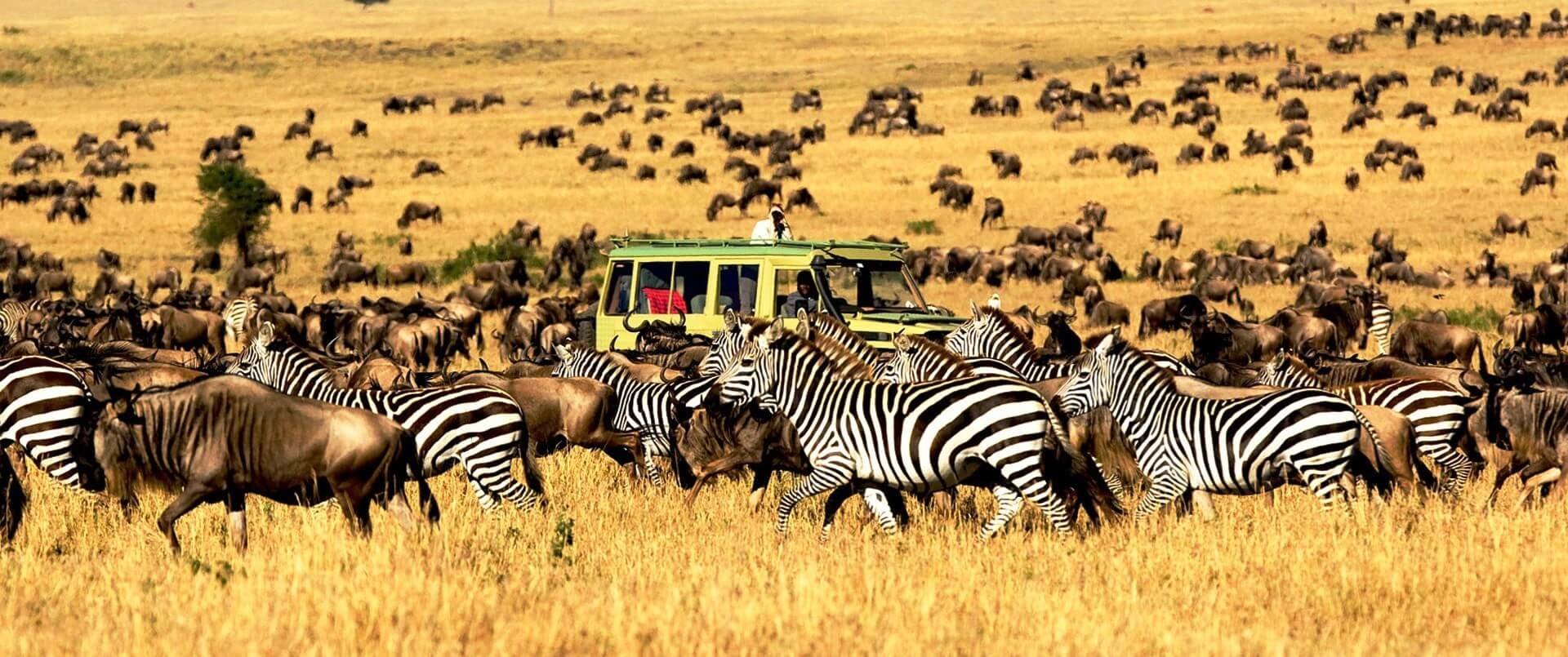
    The Great Migration is one of the world’s most famous wildlife spectacles and is closely associated with the Serengeti ecosystem.

    Large numbers of wildebeest and other grazing animals move through the ecosystem in response to changing rainfall, grazing conditions and water availability.

    If seeing the migration is an important part of your trip, the itinerary should be planned around the areas where wildlife movements are expected during your travel dates rather than relying on a single fixed location.

    Best Time for a Tanzania Wildlife Safari

    The best time to visit Tanzania depends on what you want to experience.

    Dry Season

    The dry season is commonly associated with excellent wildlife viewing opportunities because animals can concentrate around available water sources. TANAPA’s visitor information for Tarangire, for example, identifies June to October and January to February as dry periods.

    Green Season

    The wetter months can bring greener landscapes, seasonal wildlife activity and excellent photographic conditions. Travel conditions can vary between parks, so your safari itinerary should take your preferred experiences into account.

    Migration Season

    If your priority is the Great Migration, the timing and location of the herds should be considered carefully when designing your itinerary.

    Tanzania Safari Packages with Little Rock Safaris

    At Little Rock Safaris, Tanzania safari itineraries can be planned around your available time, interests and preferred travel style.

    Possible safari experiences include:

    3–4 Day Tanzania Safari

    A short Tanzania safari can focus on destinations such as Tarangire and Ngorongoro, depending on the route and travel arrangements.

    5–7 Day Tanzania Wildlife Safari

    A longer itinerary can allow travelers to combine destinations such as Tarangire, Ngorongoro and Serengeti.

    8–10 Day Tanzania Safari

    With additional time, travelers can explore more wildlife areas and combine safari experiences with relaxation or cultural activities.

    Tanzania Safari and Zanzibar Holiday

    For travelers who want both wildlife and beaches, a Tanzania safari can be combined with time in Zanzibar, creating a journey that combines wildlife viewing with an Indian Ocean beach escape.

    Luxury Tanzania Safaris

    A luxury Tanzania safari can include carefully selected lodges, tented camps, private or customized safari arrangements and personalized travel services.

    Luxury does not have to mean sacrificing the feeling of being close to nature. Tanzania offers accommodation ranging from traditional campsites to comfortable lodges and tented camps, allowing travelers to select an experience that matches their preferred level of comfort. TANAPA provides information on accommodation and travel planning across its parks.

    Family Tanzania Safaris

    Tanzania can also be explored as a family safari destination.

    A family itinerary can be designed around:

    • Comfortable accommodation
    • Reasonable driving distances
    • Wildlife viewing
    • Family-friendly activities
    • Cultural experiences
    • Flexible schedules

    The right itinerary depends on the ages of the children, travel dates and preferred destinations.

    Honeymoon and Romantic Tanzania Safaris

    Imagine waking up surrounded by the sounds of the African bush, enjoying a private game drive and watching the sunset across the Tanzanian savannah.

    A Tanzania honeymoon safari can combine wildlife experiences with romantic accommodation and, if desired, a relaxing stay in Zanzibar.

    Why Travel with Little Rock Safaris?

    Choosing a safari operator is an important part of planning your African adventure.

    Little Rock Safaris focuses on creating personalized African safari experiences for travelers interested in destinations across East and Southern Africa.

    Your Tanzania safari can be planned around:

    • Your travel dates
    • Number of travelers
    • Safari duration
    • Preferred accommodation
    • Wildlife interests
    • Budget
    • Private or group travel
    • Cultural experiences
    • Beach extensions
    • Special occasions

    The goal is to create an itinerary that fits the traveler rather than simply offering a one-size-fits-all schedule.

    Responsible Wildlife Travel

    Responsible tourism is an important part of visiting Tanzania’s protected areas.

    Travelers should follow park regulations, remain on designated routes where required, avoid feeding or disturbing wildlife and follow instructions from qualified guides and park authorities. TANAPA specifically advises visitors to observe wildlife-safety regulations and follow guide and ranger instructions.

    Responsible safari travel helps protect wildlife habitats while supporting the communities and conservation systems connected to tourism.

    Start Planning Your Tanzania Safari

    Whether you are searching for a Tanzania wildlife safari, Serengeti safari, Ngorongoro safari, Tarangire safari, Big Five safari in Tanzania, luxury safari or a combined Tanzania and Zanzibar holiday, Little Rock Safaris can help you plan an itinerary around your interests and travel dates.

    From the open plains of the Serengeti to the wildlife-rich landscapes of Ngorongoro and the elephant country of Tarangire, Tanzania offers an extraordinary setting for an African wildlife adventure.

    Ready to Explore Tanzania?

    Plan your next African adventure with Little Rock Safaris.

    Website: https://littlerocksafaris.com/
    Phone / WhatsApp: +256 772 758 055

    Contact Little Rock Safaris to discuss your preferred dates, destinations, accommodation and safari style.

    Frequently Asked Questions About Tanzania Wildlife Safaris

    How much does a Tanzania wildlife safari cost?

    The cost depends on the number of days, accommodation category, number of travelers, transportation, park fees, activities and itinerary. Requesting a customized quotation is the best way to determine the cost for your specific trip.

    How many days do I need for a Tanzania safari?

    A short safari can cover one or two destinations, while 5–10 days allows more time for exploring several major wildlife areas. Your ideal duration depends on the destinations and experiences you want to include.

    What animals can I see on a Tanzania safari?

    Depending on the park, season and wildlife movements, travelers may see elephants, lions, leopards, buffalo, giraffes, zebras, wildebeest, hyenas, antelopes and many bird species.

    Is Tanzania good for a Big Five safari?

    Tanzania has several protected areas where visitors can search for the African Big Five. Wildlife sightings vary naturally, so they cannot be guaranteed.

    Can I combine Tanzania safari with Zanzibar?

    Yes. A Tanzania wildlife safari can be combined with a Zanzibar beach holiday, creating an itinerary that includes both wildlife and coastal relaxation.

    What is the best Tanzania safari destination?

    Different parks offer different experiences. Serengeti is associated with expansive plains and the Great Migration, Ngorongoro offers its distinctive crater landscape and wildlife setting, while Tarangire is particularly known for elephants and baobab scenery.

    Can Little Rock Safaris create a private Tanzania safari?

    Private and tailor-made safari arrangements can be discussed according to your preferred dates, destinations, accommodation and group requirements.

    Book Your Tanzania Wildlife Safari with Little Rock Safaris

    Your Tanzanian adventure can begin with a simple conversation about where you want to go, what you want to see and how long you want to stay.

    Little Rock Safaris – Your African Safari Adventure Starts Here.

    Website: https://littlerocksafaris.com/
    Phone / WhatsApp: +256 772 758 055

  • Best Time to See the Great Wildebeest Migration: Month-by-Month Safari Guide

    Best Time to See the Great Wildebeest Migration: Month-by-Month Safari Guide

    The best time to see the Great Wildebeest Migration depends on what you want to witness: choose January to March for the dramatic calving season in the southern Serengeti, July to October for the main northward migration and Mara River crossings, or November to December for greener landscapes and the herds’ return south.

    That is the most important thing to understand before booking a Great Migration safari.

    There is no single week when the migration “happens.” The Great Wildebeest Migration is a continuous, year-round movement of wildebeest, zebra and other grazing animals through the Serengeti-Mara ecosystem, driven largely by rainfall, fresh grass and water availability.

    For most first-time safari travelers, however, the biggest question is more specific:

    When should I go to see the famous wildebeest river crossings?

    If that is your priority, August and September are among the strongest months to target northern Serengeti and the Maasai Mara, although crossings are never guaranteed on a particular day. National Geographic currently identifies August and September as peak months around Kogatende in the northern Serengeti, while Kenya’s official tourism platform highlights July to October as the main migration period in the Maasai Mara.

    Great Wildebeest Migration at a glance

    What you want to seeBest timeBest area
    Wildebeest calvingJanuary–MarchSouthern Serengeti / Ndutu
    Newborn calves & predatorsFebruary–MarchNdutu & southern Serengeti
    Herds moving northApril–JuneCentral & Western Serengeti
    Grumeti River crossingMay–JulyWestern Serengeti
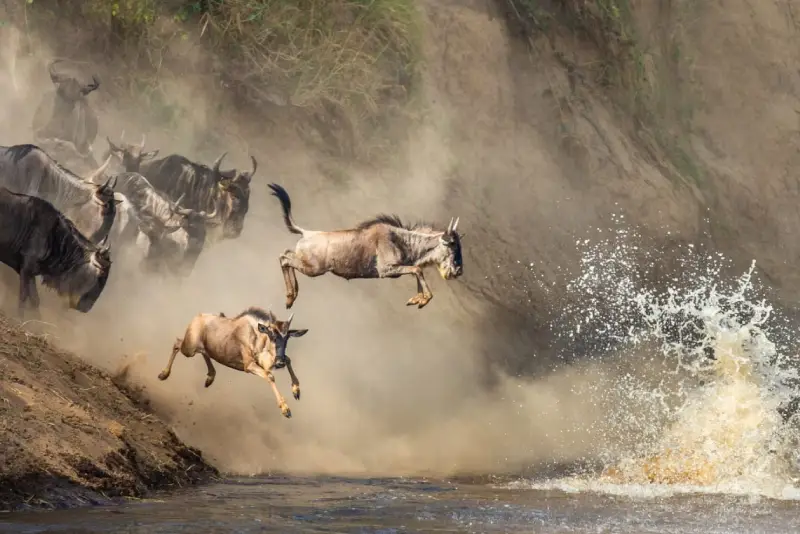
    Mara River crossingsJuly–OctoberNorthern Serengeti & Maasai Mara
    Peak crossing opportunityAugust–SeptemberKogatende / Maasai Mara
    Herds returning southOctober–NovemberNorthern to Central Serengeti
    Green-season herdsNovember–DecemberCentral & southern Serengeti

    The precise timing changes from year to year because the animals respond to rainfall and vegetation rather than a human calendar.

    What is the Great Wildebeest Migration?

    The Great Wildebeest Migration is the enormous annual movement of roughly 1.3–1.5 million wildebeest, accompanied by hundreds of thousands of zebra and gazelles, through the Greater Serengeti-Mara ecosystem. Tanzania’s national park authority currently describes the wider migration as involving more than two million animals when the accompanying grazers are included.

    The animals continually search for:

    • Fresh grazing
    • Water
    • Nutrient-rich grass
    • Suitable calving grounds
    • Seasonal rainfall

    The result is one of the planet’s most extraordinary wildlife cycles.

    But the migration isn’t simply a line of animals moving from Tanzania to Kenya.

    It is a circular ecological process.

    The herds spend part of the year on the southern Serengeti plains, move through central and western areas, travel north toward the Mara ecosystem, and eventually begin returning south as rainfall and fresh grazing draw them back and can be experienced on a Hot-Air Baloon Safari as well.

    When is the best time to see the Great Wildebeest Migration?

    For the classic migration experience, July through October is the most popular period.

    For the best chance of seeing dramatic Mara River crossings, I would generally prioritize August and September.

    For the best overall wildlife drama, however, February can be just as compelling because the southern Serengeti becomes a vast calving ground, attracting predators including lions, cheetahs and hyenas.

    Tanzania’s current tourism material highlights January–March as the calving period, while National Geographic identifies February and March as particularly strong months for seeing newborn wildebeest and predator interactions around Ndutu.

    So the real answer is:

    Best month = depends on the experience you want.

    January: the migration settles in the southern Serengeti

    January is an excellent time to experience the beginning of the calving season.

    The herds are concentrated around the nutrient-rich short-grass plains of the southern Serengeti and Ndutu area.

    This is not the month to book if your only objective is a Mara River crossing.

    It is, however, an excellent period for travelers interested in:

    • Large concentrations of wildebeest
    • Green landscapes
    • Newborn calves
    • Predators
    • Photography
    • Fewer peak-season crowds

    The southern Serengeti becomes particularly important because the grass provides the nutritional conditions needed for mothers and newborn calves.

    February: arguably the best month for wildebeest calving

    If you want to see the Great Migration’s most intimate side, February deserves serious consideration.

    This is when the southern Serengeti and Ndutu region can become a spectacular wildlife nursery.

    TANAPA’s 2026 tourism publication describes January to March as the calving period and highlights the enormous number of births occurring during the peak.

    The spectacle is not just about baby wildebeest.

    Newborn calves attract predators.

    Lions, cheetahs, hyenas and other predators take advantage of the abundance of vulnerable young animals, creating exceptional opportunities for wildlife photography and predator-prey encounters.

    Best for:

    Calving + predators + photography + green Serengeti

    If you want an alternative to the heavily marketed river-crossing safari, February is one of the most compelling choices.

    March: calving continues, but the journey is beginning to change

    March can still provide excellent calving and predator viewing in the southern Serengeti.

    As rainfall patterns change and the grass is gradually consumed, the herds eventually begin shifting toward the western and central Serengeti.

    For photographers, March can provide a particularly attractive combination of:

    • Green landscapes
    • Newborn animals
    • Dramatic skies
    • Predators
    • Large herds

    It is also worth remembering that wildlife movements are not synchronized perfectly with the calendar.

    Rainfall can shift the timing.

    April: the migration begins moving north

    April marks a transition.

    The great mass of wildebeest begins pushing away from the southern plains and moving northward.

    This is a fascinating period for travelers who want to follow the migration rather than simply watch a river crossing.

    The landscape can remain beautifully green, although rain can affect road conditions.

    For travelers willing to accept wetter conditions, April can offer excellent photographic opportunities and fewer visitors than the peak migration months.

    May: Western Serengeti and Grumeti

    By May, the migration increasingly moves through the central and western Serengeti.

    This is when the Grumeti River becomes relevant.

    The Grumeti crossings are less famous internationally than the Mara River crossings, but they are an important part of the migration cycle.

    National Geographic describes the herds reaching the Western Corridor around May–June before continuing toward the northern Serengeti and Kenya.

    Best for:

    • Western Serengeti
    • Herd movement
    • Green-season scenery
    • Lower visitor pressure
    • Photography

    June: one of the most underrated months

    June is an excellent month if you want to see large herds without necessarily paying the premium associated with peak northern migration season.

    The animals are moving through the Western Corridor and toward northern Tanzania.

    Depending on rainfall and conditions, you may witness dramatic river activity around the Grumeti area.

    The advantage is that June allows you to experience the migration as a journey, rather than simply waiting at a famous crossing point.

    July: the northern migration begins

    July is when migration excitement really begins to build.

    The herds move toward the northern Serengeti and increasingly toward the Kenya-Tanzania border.

    This is the beginning of the classic Mara River migration season.

    Kenya’s official tourism platform identifies July to October as the primary Maasai Mara migration period.

    However, July can be less predictable than many promotional articles suggest.

    Some herds may still be in Tanzania.

    Others may already be moving toward Kenya.

    And the timing of the first major river crossings depends on rainfall, water levels and herd movement.

    July is best for:

    Early northern migration + large herds + fewer peak-season crowds than August/September

    August: one of the best months for the Great Migration

    If a client tells me:

    “I want to see wildebeest crossing the Mara River.”

    August is one of the first months I would consider.

    The northern Serengeti and Maasai Mara can hold enormous concentrations of migrating animals, and the pressure of finding fresh grazing can bring herds toward the river.

    National Geographic identifies August and September as peak periods around Kogatende in northern Serengeti for travelers hoping to witness river crossings.

    But here’s the part many websites don’t tell you:

    You cannot book a Mara River crossing like a scheduled event.

    There may be thousands of wildebeest near the river and no crossing that day.

    A herd may gather for hours and turn away.

    Another group may cross at a different location.

    Rain can change everything.

    That unpredictability is part of what makes the experience genuinely wild.

    September: perhaps the best balance for river crossings

    September is another excellent month for the northern migration.

    If your priority is:

    Mara River crossings + predators + large herds + classic migration photography

    September deserves to be near the top of your list.

    The animals may remain in the Mara ecosystem while grazing across the reserve and surrounding areas.

    National Geographic’s current Serengeti guide identifies August and September as the peak period for crossing-focused trips around Kogatende.

    But don’t make this mistake

    Do not book a two-day safari simply because a website says “September is migration season.”

    The migration is enormous.

    The herds can be dispersed across a huge area.

    If river crossings are your main objective, spend several nights in the appropriate migration zone.

    More time on location = more opportunities to respond when the animals move.

    October: the migration begins turning south

    October can still provide excellent migration viewing.

    The herds begin responding to changing rainfall and grazing conditions and gradually start moving back toward Tanzania.

    National Geographic describes the return south beginning around October as the cycle continues.

    This makes October an interesting compromise.

    You can potentially experience:

    • Northern Serengeti wildlife
    • Remaining Mara herds
    • Predators
    • Changing landscapes
    • Beginning southward movement

    It may also offer a less intense atmosphere than the height of August.

    November: follow the herds south

    November is often overlooked.

    As the short rains arrive, the herds begin returning toward central and southern Serengeti.

    For travelers who don’t require river crossings, this can be an excellent time to experience the migration without building the entire safari around one dramatic event.

    National Geographic notes that rainfall can cause the herds to move unpredictably, including temporary back-and-forth movement.

    December: the migration prepares for another cycle

    By December, many wildebeest have reached the central and southern Serengeti.

    The cycle begins preparing for another calving season.

    This is a very different migration experience from August.

    Instead of focusing on river crossings, you are watching the ecosystem reset.

    Best month for the Mara River crossing

    If your dream is to watch wildebeest plunge into the Mara River, target:

    August–September

    But ideally, allow enough time to improve your odds.

    The Kenya Tourism Board identifies July–October as the broader Maasai Mara migration window, while current National Geographic guidance places the strongest crossing-focused period around August and September in northern Serengeti.

    The important distinction is:

    Migration season ≠ guaranteed crossing day.

    The animals decide.

    Not the safari calendar.

    Is August or September better for the Great Migration?

    Both are excellent.

    Choose August if:

    • You want to target the early-to-peak northern migration
    • You want a strong chance of finding herds around the Mara ecosystem
    • You prefer the classic migration season
    • You are combining Kenya and Tanzania

    Choose September if:

    • Mara River crossings are your priority
    • You want to spend time around northern Serengeti/Kogatende
    • You want mature migration activity
    • You prefer a slightly later-season safari

    I would not claim that September is guaranteed to be better.

    Migration timing varies every year.

    Where is the best place to see the Great Migration?

    The answer depends on the month.

    MonthRecommended area
    JanSouthern Serengeti / Ndutu
    FebNdutu / Southern Serengeti
    MarSouthern & Central Serengeti
    AprCentral Serengeti
    MayWestern Serengeti
    JunWestern Corridor
    JulNorthern Serengeti / Maasai Mara
    AugNorthern Serengeti / Maasai Mara
    SepNorthern Serengeti / Maasai Mara
    OctNorthern & Eastern Serengeti
    NovCentral Serengeti
    DecCentral/Southern Serengeti

    The key is to match the accommodation location to the migration, rather than booking a popular lodge first and hoping the animals happen to be nearby.

    Tanzania or Kenya: where should you see the migration?

    This depends on what you want.

    Choose Tanzania for:

    • Southern Serengeti calving
    • Ndutu
    • Western Corridor
    • Grumeti
    • Northern Serengeti
    • Longer migration-focused itineraries
    • Combining migration with Ngorongoro

    Choose Kenya for:

    • Maasai Mara
    • Mara River crossings
    • Big Five viewing
    • Smaller geographic area for a focused Mara safari
    • Combining safari with Nairobi or Kenya’s other destinations

    For a traveler with enough time, combining Tanzania and Kenya can provide a more complete migration story.

    How many days do you need for a Great Migration safari?

    For a migration-focused safari, I recommend at least 4–5 nights in the relevant migration region.

    If river crossings are your primary objective, more time is better.

    A crossing can happen quickly.

    But the waiting can last hours.

    National Geographic’s firsthand reporting illustrates just how unpredictable the timing can be, with travelers sometimes waiting many hours for a crossing.

    A practical safari structure

    Day 1: Arrive in migration region
    Day 2: Full-day game drive
    Day 3: Full-day migration tracking
    Day 4: River/crossing-focused safari
    Day 5: Final full-day game drive
    Day 6: Depart

    This gives your guide flexibility.

    Why river crossings are never guaranteed

    This deserves its own section because it is one of the biggest misunderstandings surrounding Great Migration safaris.

    Wildebeest do not cross the Mara River because tourists have arrived.

    They cross when environmental conditions and herd behavior trigger movement.

    A herd may:

    1. Approach the river.
    2. Gather on the bank.
    3. Wait.
    4. Move away.
    5. Return later.
    6. Cross at another location.
    7. Split into smaller groups.

    Rainfall, river levels, predators, grazing conditions and herd behavior all influence what happens.

    That is why a reputable safari company should never promise:

    “You will definitely see a river crossing.”

    The honest promise is:

    “We will position you in the right area, monitor herd movements and maximize your opportunities.”

    That is a much more credible way to sell a migration safari.

    Great Migration safari costs: when is it cheapest?

    Peak migration months—particularly August and September—can command higher accommodation rates because demand is strong.

    If budget matters, consider:

    May–June or November

    You may still experience large herds while avoiding some of the highest peak-season demand.

    January–March can also provide outstanding wildlife viewing, particularly around the calving grounds, although premium camps in prime locations can still be expensive.

    The cheapest month is therefore not necessarily the best-value month.

    A better question is:

    “What wildlife experience can I get for my budget?”

    Best time for photography during the Great Migration

    For dramatic river-crossing photography:

    August–September

    For newborns and predator action:

    February–March

    For green landscapes and atmospheric skies:

    November–May

    For large herds against dry golden landscapes:

    July–October

    Photography travelers should also consider where the sun will be, vehicle positioning, dust, riverbank access and the amount of time available, not simply the month.

    A professional wildlife guide can make a substantial difference.

    Frequently Asked Questions

    What is the best month to see the Great Wildebeest Migration?

    August and September are among the best months for the classic northern migration and Mara River crossing experience. For calving, choose February.

    When do wildebeest cross the Mara River?

    Mara River crossings generally occur during the July–October migration period, with August and September commonly regarded as strong months. However, exact crossing dates vary every year.

    Can I see the Great Migration in January?

    Yes. January is part of the year-round migration cycle, and the herds are concentrated around the southern Serengeti as the calving season approaches.

    Is February a good time for a Great Migration safari?

    Yes. February is particularly good for calving, newborn wildebeest and predator activity in the southern Serengeti and Ndutu region.

    Is September a good month for wildebeest migration?

    Yes. September is one of the strongest months to target northern Serengeti and Maasai Mara migration viewing, particularly if river crossings are a priority.

    Is October too late for the Great Migration?

    No. October can still offer excellent migration viewing, although the herds are increasingly beginning their southward movement.

    Can you guarantee seeing a Mara River crossing?

    No reputable safari operator should guarantee a specific crossing. The herds respond to natural conditions, and their movements cannot be scheduled precisely.

    Is Kenya or Tanzania better for the Great Migration?

    Neither is universally better. Tanzania is particularly strong for the southern calving season and the wider migration route, while Kenya’s Maasai Mara is famous for the northern migration and Mara River crossings.

    How long should I spend on a Great Migration safari?

    For a migration-focused trip, 4–5 nights or more in the relevant region gives you significantly more flexibility than a rushed 1–2 night visit.

    Does the Great Migration happen every year?

    Yes. It is a recurring ecological cycle, although the timing and precise location of the herds change with environmental conditions.

    The best time to see the Great Wildebeest Migration depends on your dream

    If your dream is thousands of wildebeest pouring into a river, plan around August or September.

    If your dream is newborn calves taking their first steps while predators patrol the plains, choose February or March.

    If you want large herds, greener scenery and fewer peak-season crowds, consider the shoulder months.

    And if you want to understand the migration rather than simply photograph one moment of it, consider following the cycle across several regions.

    That is the real secret to planning a Great Migration safari:

    Don’t ask only when the migration happens. Ask where the herds are likely to be, what they are doing, and what experience you want to have when you arrive.

    The migration is not an event on a calendar.

    It is a living, moving ecosystem.

    And the best safari is the one planned around the animals—not around a fixed date.

    Plan your Great Migration safari

    For official information, use the Tanzania National Parks Authority (TANAPA) and the Official Tanzania Tourism website. TANAPA’s current material provides specific guidance on Mara River viewing and migration-related conservation, while Tanzania Tourism identifies Serengeti as the country’s flagship migration destination.

    For Kenya, the Magical Kenya tourism platform identifies July–October as the principal Great Migration period in the Maasai Mara.

    If you’re booking through a safari operator, ask three questions before paying a deposit:

    1. Where will we be staying during the migration?
    2. How many nights will we spend in the migration zone?
    3. What happens if the herds move away from our planned location?

    The answers tell you much more about the quality of the safari than the words “Great Migration” on an itinerary.

  • Best Time to Visit Murchison Falls National Park

    Best Time to Visit Murchison Falls National Park

    Best Time to Visit Murchison Falls National Park: Month-by-Month Safari Guide

    Table of Contents

    Introduction

    The best time to visit Murchison Falls National Park is during the drier periods from December to February and June to September, when wildlife is generally easier to find around water sources and safari roads are more favourable; however, January to March can be especially rewarding for birdwatchers, while the wetter months offer greener scenery, fewer tourists and potentially better value.

    That means there is no single “perfect” month for every traveler.

    If your priority is game viewing and a classic Uganda safari, choose the dry season. If you want excellent birding and fewer visitors, consider January to March. If lush scenery, lower visitor numbers and a quieter safari appeal to you, the wetter months can also be worthwhile.

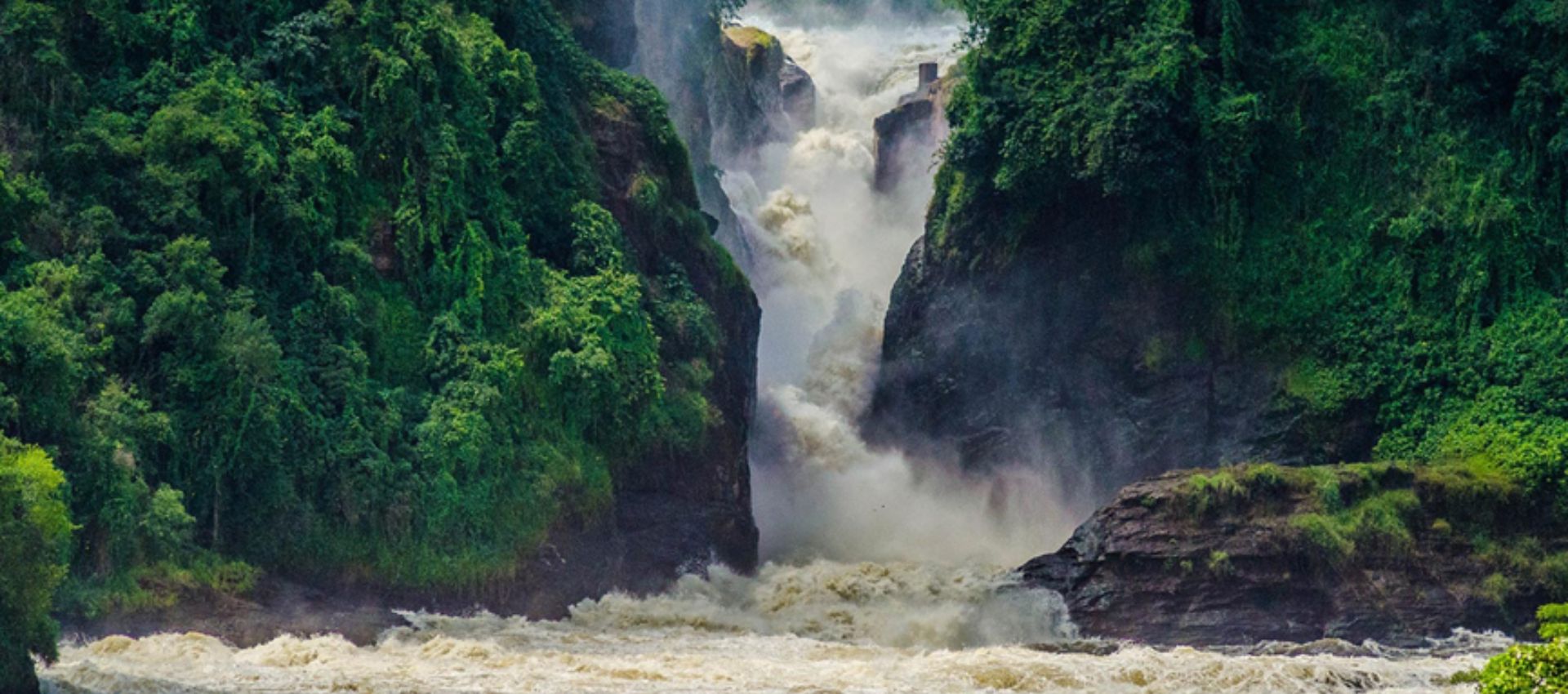
    Murchison Falls National Park is Uganda’s largest national park and one of the country’s most important safari destinations. The park combines broad savannah plains, woodland, riverine habitats and the Victoria Nile, culminating in the spectacular Murchison Falls, where the river is forced through a narrow gorge before continuing toward Lake Albert.

    Quick answer: When should you visit Murchison Falls?

    Your priorityBest time to visit
    Best overall wildlife viewingJune–September
    Dry-season safariDecember–February & June–September
    Best chance of animals around waterJune–September
    BirdwatchingJanuary–March
    Fewer touristsMarch–May & October–November
    Green landscapesMarch–May & October–November
    PhotographyDecember–February or June–September
    Boat safari on the NileYear-round, with dry-season conditions often easier
    First-time Uganda safariJune–September
    Budget-conscious travelerShoulder/wetter months
    Combining Murchison with a longer Uganda safariDecember–February or June–September

    UWA’s visitor information identifies December to late February and June to September as the best general periods to visit because animals tend to concentrate around water points.

    Why the timing matters in Murchison Falls National Park

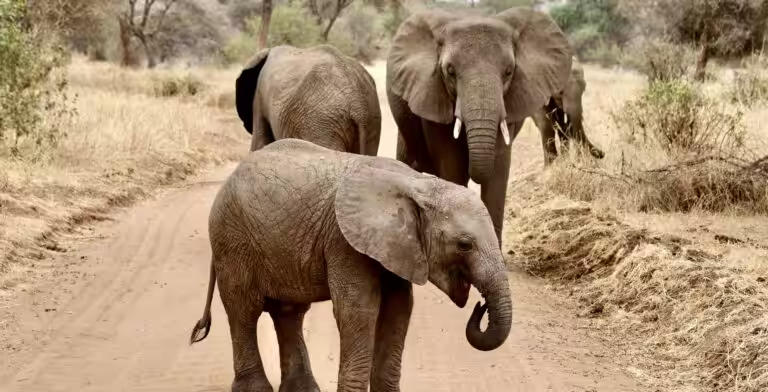
    Elephant calf 768x392
    Elephants

    Murchison Falls is not simply a waterfall destination.

    The park is a large wildlife ecosystem where the Victoria Nile, savannah, woodland and riverine habitats influence where animals spend their time.

    During drier conditions, vegetation becomes less dense and water becomes increasingly important to wildlife. Animals can therefore become easier to locate, particularly around permanent water sources and the Nile.

    That can make a morning game drive considerably more productive for travelers hoping to see:

    • Elephants
    • Giraffes
    • Buffalo
    • Uganda kob
    • Jackson’s hartebeest
    • Antelopes
    • Lions
    • Leopards
    • Hippos
    • Nile crocodiles

    The park’s famous boat safari adds another dimension because the Nile concentrates wildlife along its banks.

    However, wildlife is wild and sightings are never guaranteed. A dry-season visit improves the conditions for viewing, not the certainty of seeing a particular animal.

    Best time to visit Murchison Falls for wildlife viewing

    June to September: the best overall safari season

    If someone asked me to choose one broad period for a first Murchison Falls safari, June to September would be one of my strongest recommendations.

    These months generally provide drier conditions, making game-drive roads more accessible and vegetation less dense.

    UWA’s current park material specifically lists June to September among the best periods to visit because wildlife becomes more concentrated around water sources.

    This is particularly useful for travelers who want to combine:

    Morning game drive + afternoon Nile boat cruise + Murchison Falls hike

    within a relatively short itinerary.

    The park can be hot during the day, however. UWA documentation records typical daytime temperatures around 25–32°C, with cooler nights.

    Why June–September works well

    • Lower rainfall
    • Better road conditions
    • Easier wildlife spotting
    • Animals increasingly use water sources
    • Good conditions for photography
    • Excellent combination of game drives and boat trips
    • Generally comfortable for outdoor activities

    The downside

    This is one of the more popular periods for safari travel, so some lodges and camps can be busier than during the wetter months.

    December to February: another excellent dry-season window

    The second major dry period runs from December through February.

    UWA identifies December to late February as one of the park’s best general visiting periods.

    December can be particularly attractive for travelers who want to begin or end the year with a Uganda safari.

    January and February are generally hot, but the relatively drier conditions can make game drives rewarding.

    This period is also particularly interesting for birdwatchers because UWA identifies January–March as a prime birdwatching period in Murchison Falls, when tourist numbers are lower.

    December–February is ideal for:

    • First-time safari travelers
    • Families
    • Wildlife photography
    • Game drives
    • Nile boat cruises
    • Birding
    • Travelers combining Murchison with other Ugandan destinations

    January: excellent for wildlife and birding

    January is one of the most attractive months for a Murchison Falls safari.

    The weather is typically relatively dry, wildlife viewing conditions are favourable and the park’s birdlife can be particularly rewarding.

    For birders, January falls within UWA’s recommended January–March birdwatching window for Murchison Falls.

    The park’s varied habitats mean that a safari can produce much more than large mammals.

    A good birding itinerary may combine:

    Savannah + riverine habitat + Nile boat cruise + forest edge

    rather than concentrating entirely on the game-drive tracks.

    February: one of the best months for a classic safari

    February is another strong month for visitors who prioritize wildlife.

    Expect warm conditions and generally dry roads, although temperatures can become high.

    Start game drives early.

    This is important in Murchison Falls because the hottest part of the day can reduce animal activity, particularly in exposed savannah areas.

    A well-planned safari therefore takes advantage of:

    Early morning → wildlife activity → breakfast → rest → afternoon boat cruise → evening activity

    rather than trying to drive through the park continuously during the hottest hours.

    March: a transition month with strong birding potential

    March can be an interesting compromise.

    The park becomes progressively wetter, but this does not mean wildlife disappears.

    UWA identifies January–March as a particularly good period for birdwatching, and the lower visitor numbers can be attractive to birders and photographers.

    If you don’t mind occasional rain and want a quieter experience, March deserves consideration.

    The landscape may also begin looking greener as rainfall increases.

    April and May: wet season, green scenery and fewer crowds

    April and May are among the wetter months.

    A recent UWA environmental management document describes the wetter periods as associated with more frequent showers and thunderstorms, while dry-season conditions generally extend from December–February and June–September.

    The advantage?

    The park becomes beautifully green.

    Fresh vegetation creates attractive photographic conditions, skies can become dramatic and visitor numbers can be lower.

    For travelers who dislike crowded safari destinations, this can be an appealing time to visit.

    But there are trade-offs

    Rain can:

    • Make some tracks muddy
    • Interrupt game drives
    • Affect driving times
    • Make photography more challenging
    • Require flexible scheduling

    This is why travelers visiting during the wetter months should use an experienced safari operator and a capable 4WD vehicle.

    June: the start of the strong dry season

    June marks the beginning of one of Murchison Falls’ most attractive safari periods.

    As conditions become drier, vegetation gradually becomes less dense and animals increasingly depend on reliable water sources.

    This can improve game viewing.

    June is therefore an excellent month for travelers who want the benefits of the dry season without necessarily traveling during the busiest part of the peak season.

    July and August: excellent wildlife viewing

    July and August are among the strongest months for a traditional Murchison Falls safari.

    The dry conditions make it easier to navigate the park and wildlife can become more concentrated around water.

    This is particularly valuable on game drives across the northern sector, where open savannah provides good visibility.

    A typical safari might combine:

    Early morning

    Game drive across the savannah.

    Midday

    Return to your lodge for lunch and relaxation.

    Afternoon

    Boat safari along the Victoria Nile.

    Evening

    Optional short game drive or lodge relaxation.

    The combination gives you two very different wildlife perspectives in the same day.

    September: excellent safari conditions

    September remains within UWA’s recommended June–September dry-season window.

    For travelers who prioritize wildlife, this is another excellent choice.

    It can also be a good month for combining Murchison Falls with other destinations in northern and western Uganda.

    For example:

    Murchison Falls → Kibale Forest → Queen Elizabeth → Bwindi

    creates a diverse Uganda itinerary covering savannah wildlife, primates, forests and gorillas.

    October and November: the wetter season returns

    October and November generally receive more rainfall.

    However, calling these months “bad” for safari would be misleading.

    Murchison Falls remains open for wildlife viewing throughout the year, and the wetter season can provide:

    • Green landscapes
    • Fresh vegetation
    • Fewer tourists
    • Excellent photographic backgrounds
    • Good birding opportunities
    • Potentially lower accommodation demand

    The key is to accept that the safari may be less predictable from a road-condition perspective.

    Best time for a Murchison Falls boat safari

    One of the park’s greatest advantages is that the Nile provides a wildlife experience regardless of whether you’re sitting in a safari vehicle or on a boat.

    The classic boat trip travels along the Victoria Nile toward the base of Murchison Falls.

    From the water you can often observe:

    • Hippos
    • Nile crocodiles
    • Elephants near the river
    • Buffalo
    • Waterbirds
    • Antelope
    • Other wildlife coming to drink

    The river itself is the attraction.

    UWA describes approximately 80 km of the Victoria Nile flowing through the protected area, with the river passing through rapids and cascades before the famous falls and continuing toward Lake Albert.

    Is the boat safari available year-round?

    Generally, yes, although actual operating conditions can depend on weather, water conditions, park management and operator schedules.

    For the latest operational information, confirm with UWA or your safari operator before departure.

    Best time to see Murchison Falls itself

    The waterfall can be visited throughout the year.

    The falls do not follow a seasonal migration schedule.

    The Victoria Nile is forced through a remarkably narrow gorge before plunging downstream, creating the dramatic waterfall for which the park is named. UWA describes the gorge as approximately 8 metres wide and the falls as dropping about 45 metres.

    During wetter periods, the surrounding landscape can be especially lush.

    During drier periods, the clearer skies and easier roads may make the overall experience more comfortable.

    So if the waterfall is your primary reason for visiting, you don’t need to restrict your trip to the dry season.

    Best time for birdwatching in Murchison Falls

    For serious birders, January to March deserves special attention.

    UWA specifically identifies January–March as the prime birdwatching period for Murchison Falls, partly because tourist numbers are lower.

    Uganda overall is a major birding destination, with UWA recording more than 1,000 species nationally.

    Murchison’s combination of:

    • Savannah
    • Woodland
    • River
    • Wetlands
    • Riverine forest

    creates a varied birding environment.

    If birding is your main objective, tell your safari operator before booking.

    A general wildlife guide and a specialist birding guide can produce very different experiences.

    Best time to see wildlife around the Nile

    If your main objective is to see animals around the river, the dry season has an advantage.

    As natural water availability decreases away from permanent rivers and waterholes, the Nile becomes increasingly important.

    This can make the riverbank particularly productive for wildlife viewing.

    The best strategy is to combine:

    Morning game drive + afternoon boat safari

    rather than relying on only one activity.

    Is the rainy season a bad time to visit Murchison Falls?

    No.

    This is one of the most important points travelers should understand.

    The rainy season is simply different.

    If you want the easiest road conditions and generally strongest concentration of animals, choose the dry season.

    If you value:

    • Green scenery
    • Fewer visitors
    • Birding
    • Photography
    • Flexible travel dates
    • Potentially better accommodation value

    then the wetter season can be an excellent alternative.

    The park’s climate is variable across the protected area. Recent UWA documentation notes that the eastern end is wetter than the western section, with rainfall varying considerably between locations.

    So broad statements such as “Murchison is rainy from X to Y” should be treated as planning guidelines rather than guarantees.

    Cheapest time to visit Murchison Falls National Park

    If your goal is to reduce the overall safari budget, consider traveling during the shoulder or wetter periods rather than the most popular dry-season windows.

    However, don’t choose dates solely because a lodge advertises a lower room rate.

    Consider the total trip cost:

    Accommodation + transport + park activities + number of nights + road conditions + itinerary efficiency

    A slightly more expensive dry-season safari can sometimes provide better overall value because wildlife viewing is easier and the itinerary can be more efficient.

    Best time to visit Murchison Falls with children

    For families traveling with children, I generally recommend the drier periods:

    December–February or June–September.

    Why?

    • More predictable road conditions
    • Easier game drives
    • Less chance of prolonged rain interrupting activities
    • Easier packing
    • More comfortable planning

    The heat is the main consideration.

    Children should have plenty of drinking water, sun protection, lightweight clothing and adequate rest between activities.

    Best time for photography in Murchison Falls

    Photography priorities change with the season.

    Dry season

    Excellent for:

    • Wildlife portraits
    • Elephants around water
    • Giraffes against open savannah
    • Clearer visibility
    • Golden-hour game drives

    Wet/green season

    Excellent for:

    • Green landscapes
    • Dramatic clouds
    • Bird photography
    • Fresh vegetation
    • More atmospheric scenes

    There is therefore no single “best photography month.”

    Instead, decide whether you prefer wildlife concentration and clear visibility or lush landscapes and dramatic weather.

    How many days do you need in Murchison Falls?

    For a first visit, 3 days and 2 nights is a good minimum.

    A more relaxed safari should allow 3 nights or more.

    Example 3-day Murchison Falls safari

    Day 1:
    Travel to Murchison Falls → check in → afternoon boat cruise or evening activity.

    Day 2:
    Early morning game drive → lunch and rest → afternoon boat safari to the base of Murchison Falls.

    Day 3:
    Morning game drive → visit the top of Murchison Falls → depart.

    If wildlife photography or birding is your priority, adding another night provides considerably more flexibility.

    What should you pack for Murchison Falls?

    Regardless of when you visit, pack for heat and sun.

    Recommended essentials include:

    • Lightweight breathable clothing
    • Long trousers for bush activities
    • Wide-brimmed hat
    • Sunglasses
    • Sunscreen
    • Insect repellent
    • Binoculars
    • Camera and spare batteries
    • Reusable water bottle
    • Comfortable walking shoes
    • Light rain jacket
    • Waterproof bag for electronics
    • Neutral-coloured safari clothing

    During wetter months, add a proper waterproof layer and protection for camera equipment.

    Uganda Tourism Center also recommends sunscreen, insect repellent, a flashlight, spare/rechargeable batteries and waterproof bags for travelers.

    Murchison Falls month-by-month

    MonthWeather tendencyWildlifeBirdingVisitor levelOverall recommendation
    JanuaryDry/hotExcellentExcellentModerate⭐⭐⭐⭐⭐
    FebruaryDry/hotExcellentExcellentModerate⭐⭐⭐⭐⭐
    MarchTransition/wetterGoodExcellentLower⭐⭐⭐⭐
    AprilWetGoodGoodLower⭐⭐⭐
    MayWetGoodGoodLower⭐⭐⭐
    JuneDryingExcellentVery goodModerate⭐⭐⭐⭐⭐
    JulyDryExcellentVery goodHigher⭐⭐⭐⭐⭐
    AugustDry/hotExcellentVery goodHigher⭐⭐⭐⭐⭐
    SeptemberDry/transitionExcellentVery goodModerate⭐⭐⭐⭐⭐
    OctoberWetterGoodGoodLower⭐⭐⭐
    NovemberWetterGoodGoodLower⭐⭐⭐
    DecemberDry/transitionExcellentVery goodModerate⭐⭐⭐⭐⭐

    Important: Uganda’s rainfall patterns are not perfectly predictable. Treat these as seasonal planning guidelines, not guarantees.

    Dry season vs rainy season in Murchison Falls

    FactorDry seasonWet season
    Wildlife visibility⭐⭐⭐⭐⭐⭐⭐⭐⭐
    Road conditionsGenerally betterCan be muddy
    Waterhole viewingExcellentMore dispersed wildlife
    Green sceneryModerateExcellent
    BirdingVery goodGood–excellent
    PhotographyExcellentExcellent
    Visitor numbersHigherLower
    HeatHigherSlightly moderated
    Rain disruptionLowerHigher
    Best for first safariYesPossible
    Best for quiet safariLess idealYes

    What is the absolute best month to visit Murchison Falls?

    If you want one simple answer:

    June, July, August and September are among the best months for a classic Murchison Falls wildlife safari.

    For a combination of wildlife + birding + relatively dry conditions, January and February are also excellent.

    For birding with fewer tourists, January to March deserves particular attention because UWA specifically identifies that period as prime birdwatching season.

    But don’t dismiss the wetter months.

    A traveler who values green landscapes, fewer visitors and a more relaxed safari may actually prefer March, April, May, October or November.

    Frequently Asked Questions About the Best Time to Visit Murchison Falls

    What is the best month to visit Murchison Falls National Park?

    June through September is one of the strongest periods for general wildlife viewing. December through February is another excellent dry-season window.

    What is the rainy season in Murchison Falls?

    Rainfall is generally more frequent during March–May and October–November, although recent UWA documentation notes considerable local variation and describes a broader wet period with a short dry spell around July.

    Can I visit Murchison Falls during the rainy season?

    Yes. The park is open year-round, and the wet season can provide green scenery, fewer visitors and excellent birding conditions.

    When is the best time to see animals in Murchison Falls?

    The dry seasons are generally best because wildlife tends to concentrate around permanent water sources and vegetation is less dense. UWA recommends December–February and June–September for general wildlife viewing.

    What is the best time for birding in Murchison Falls?

    January to March is specifically identified by UWA as a prime birdwatching period, with fewer tourists.

    Is July a good month for Murchison Falls?

    Yes. July falls within the June–September dry-season window and can provide excellent game viewing.

    Is August too hot for Murchison Falls?

    August can be hot, particularly during the middle of the day. Plan game drives for early morning and late afternoon and maintain good hydration.

    Is December a good time to visit Murchison Falls?

    Yes. December begins one of the park’s favourable dry-season periods and can be an excellent month for wildlife viewing.

    How many days should I spend in Murchison Falls?

    Allow at least 2 nights for a worthwhile first visit. Three nights is preferable if wildlife, photography or birding is a major priority.

    Can I see Murchison Falls and wildlife in one day?

    Technically yes, but it is rushed. A proper safari should allow enough time for a game drive and Nile boat cruise, with additional time for the waterfall itself.

    Is Murchison Falls worth visiting in the wet season?

    Yes. It depends on your priorities. The wet season is especially attractive for travelers who value green landscapes, fewer visitors and birding rather than guaranteed dry-road conditions.

    Final verdict: when should you book your Murchison Falls safari?

    For most first-time visitors, June to September is the safest recommendation for excellent wildlife viewing and generally favourable safari conditions. December to February is another strong option, particularly if you want to combine wildlife with birding.

    But if you’re a birder, photographer or experienced safari traveler, don’t automatically avoid the wetter months.

    Murchison Falls is a year-round destination.

    The best month depends on what you want to experience.

    If you want wildlife concentration and easy game drives, go during the dry season.

    If you want birds and fewer tourists, consider January to March.

    If you want green scenery and a quieter safari, consider the wetter months.

    And if you’re building a longer Uganda safari, don’t look at Murchison Falls in isolation. It works particularly well as part of an itinerary connecting Ziwa Rhino Sanctuary, Murchison Falls, Kibale Forest, Queen Elizabeth National Park and Bwindi Impenetrable National Park.

    The key is not simply choosing the “best month.”

    Choose the month that best matches the safari you want.

    Plan your Murchison Falls safari

    For current park information, conservation guidance and official visitor information, consult the Uganda Wildlife Authority (UWA), which manages Murchison Falls National Park and Uganda’s other protected areas. Uganda Wildlife Authority – Murchison Falls National Park

    Murchison Falls wilds
  • Wanale Hill Hiking Guide: Discover Mbale’s Hidden Adventure Gem

    Wanale Hill Hiking Guide: Discover Mbale’s Hidden Adventure Gem

    Introduction

    While Mount Elgon often steals the spotlight, Wanale Hill offers a less-crowded experience that’s perfect for hikers, photographers, nature lovers, and travelers seeking authentic local encounters. Rising to approximately 2,300 metres above sea level, the hill rewards visitors with panoramic views over Mbale City, the vast plains of Eastern Uganda, and the surrounding Mount Elgon landscape.

    Is Wanale Hill Worth Hiking?

    Absolutely. Wanale Hill is one of Eastern Uganda’s most rewarding day hikes, combining breathtaking viewpoints, waterfalls, caves, coffee farms, rich Bagisu culture, and an unforgettable adventure just minutes from Mbale City.


    Wanale Hill Hiking
    Image
    Image
    Image
    Image
    Image

    Quick Facts

    FeatureDetails
    LocationMbale District, Eastern Uganda
    Distance from Mbale7 km
    Hiking Duration4–6 Hours
    DifficultyModerate
    Highest ElevationApprox. 2,300 m
    Best ForHiking, Photography, Waterfalls, Birding
    Best TimeJune–August & December–February

    Why Visit Wanale Hill?

    Wanale Hill is much more than a hiking destination—it’s a place where adventure, nature, and culture meet.

    The trail winds through coffee plantations, rural villages, lush forests, streams, waterfalls, and dramatic rock formations before reaching spectacular viewpoints overlooking Mbale and the plains beyond. Along the way, you’ll interact with the welcoming Bagisu community, known for their vibrant traditions and the famous Imbalu cultural heritage. (Mbale District)

    Top Things to Experience

    • Hike scenic mountain trails
    • Enjoy panoramic views of Mbale City
    • Visit beautiful waterfalls
    • Explore ancient caves
    • Walk through coffee farms
    • Spot colorful birdlife
    • Meet the local Bagisu community
    • Capture stunning sunrise or sunset photographs

    The Wanale Hiking Experience

    Your adventure begins at the foot of the hill, where gentle village paths soon give way to forest trails and rocky ascents. As you climb higher, every turn reveals new scenery—from cascading waterfalls and streams to towering cliffs and expansive valley views.

    One of the most memorable moments is reaching the ridge, where the landscape opens dramatically, offering uninterrupted views stretching across Eastern Uganda. On clear days, the scenery is nothing short of spectacular, making Wanale one of Uganda’s most photogenic hiking destinations.

    Best Time to Visit

    SeasonConditions
    June – AugustExcellent
    December – February Excellent
    March – MayGreener but muddy
    September – NovemberModerate rainfall

    Early morning hikes are recommended for cooler temperatures and the clearest views.

    Travel Tips

    ✔ Wear hiking boots with good grip

    ✔ Carry at least 2 litres of water

    ✔ Bring a rain jacket

    ✔ Hire a local guide

    ✔ Carry snacks

    ✔ Don’t forget your camera

    Nearby Attractions

    Make the most of your visit by combining Wanale Hill with:

    Together, these attractions create an unforgettable Eastern Uganda adventure which can be as well planned with other attractions like Semliki National Park in Western Uganda.

    Frequently Asked Questions

    How difficult is Wanale Hill?

    The hike is considered moderately challenging, suitable for beginners with reasonable fitness as well as experienced hikers.

    How long does the hike take?

    Most visitors complete the hike in 4–6 hours, depending on pace and stops for photography and sightseeing.

    Can beginners hike Wanale Hill?

    Yes. With a local guide, proper footwear, and a moderate fitness level, beginners can comfortably complete the hike.

    Is a guide necessary?

    While experienced hikers may navigate independently, hiring a local guide enhances safety and enriches the experience with insights into the area’s history, culture, and natural features.

    Why Wanale Hill Should Be on Your Uganda Bucket List

    If you’re looking for an off-the-beaten-path adventure that combines breathtaking landscapes, authentic cultural encounters, and rewarding hiking, Wanale Hill deserves a place on your itinerary. Whether you’re chasing waterfalls, capturing panoramic views, or simply escaping the crowds, this hidden gem near Mbale offers an unforgettable experience that showcases the natural beauty of Eastern Uganda. (Mbale District)

    Ready to Hike Wanale Hill?

    Experience one of Uganda’s best-kept hiking secrets with expert local guides.

    Book your Wanale Hill adventure today and enjoy:

    • ✔ Professional guided hikes
    • ✔ Comfortable transport from Mbale
    • ✔ Flexible private and group tours
    • ✔ Authentic cultural experiences
    • ✔ Customized Eastern Uganda itineraries

    Contact us today to start planning your Wanale Hill hiking experience and discover why Eastern Uganda is becoming one of Africa’s most exciting adventure destinations.